A well-known family-friendly restaurant chain has reached the end of its decades-long journey after filing for Chapter 7 bankruptcy, marking the final step in a financial struggle that had continued despite previous restructuring efforts. The move means the company will now liquidate its remaining assets so creditors can recover at least part of the money they are owed, effectively ending hopes of another turnaround.
According to bankruptcy filings submitted in the U.S. Bankruptcy Court for the Southern District of Texas, the company reported approximately $752,945 in assets, all of which consist of personal property. At the same time, it listed around $6.2 million in liabilities, highlighting the significant financial imbalance that ultimately proved too difficult to overcome.
The filing comes after the company had already attempted to stabilize its operations through bankruptcy protection and restructuring. While those efforts initially provided a path forward, they were not enough to restore long-term profitability or reverse years of declining performance.
Among the company’s biggest financial obligations is a debt of more than $4.7 million owed to its owner, Houston-based restaurant operator Pappas Restaurants. The company had previously provided substantial financial support, including $10 million in debtor-in-possession financing that allowed the restaurant chain to continue operating while it worked through its earlier bankruptcy proceedings.
Despite those efforts, the restaurant operator ultimately concluded that continuing business operations was no longer financially sustainable. Most of its remaining corporate-owned restaurants were shut down after management conducted what it described as a comprehensive evaluation of the business and explored multiple strategic alternatives.
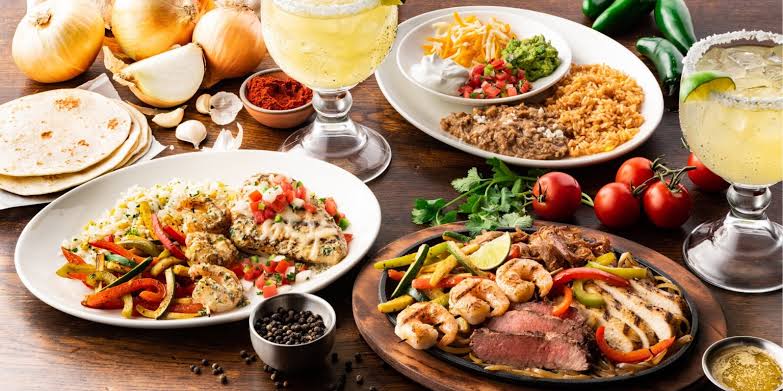
The restaurant chain at the center of the bankruptcy is On the Border Mexican Grill & Cantina, a brand that was once one of America’s most recognizable casual dining destinations. Known for its Tex-Mex menu featuring sizzling fajitas, fresh guacamole prepared tableside, and oversized margaritas, the chain built a loyal following over several decades and became a familiar stop for families and groups looking for affordable sit-down dining.
Although company-owned restaurants are no longer operating, a small number of franchised U.S. locations continue to remain open independently. International franchised restaurants, including those operating in South Korea, are also expected to continue serving customers because they are not part of the liquidation proceedings.
Chapter 7 bankruptcy differs significantly from Chapter 11. Instead of reorganizing debts and attempting to continue business operations, Chapter 7 focuses on selling off company assets. The proceeds are then distributed among creditors according to bankruptcy law. For customers, this generally signals the permanent end of the corporate business rather than another attempt at recovery.
The chain’s downfall was years in the making. Founded in Dallas in 1982, the brand quickly gained popularity during the growing demand for Tex-Mex cuisine in the United States. Its casual atmosphere, large portions, and signature menu items helped it expand rapidly throughout the country.
Growth accelerated after the restaurant was acquired by Brinker International, the parent company of Chili’s. Under Brinker, the chain expanded aggressively, eventually reaching 166 locations by 2007, making it one of the largest Tex-Mex restaurant brands in the country.
However, the years following the Great Recession proved increasingly difficult. Consumer spending slowed, competition intensified, and changing dining habits placed pressure on many traditional casual dining chains. Like many competitors, the company struggled to maintain customer traffic while dealing with rising labor, food, and operating costs.
Ownership changed multiple times over the following years. Brinker eventually sold the business to private equity firm Golden Gate Capital, which later transferred ownership to Argonne Capital Group. Despite changes in leadership and various operational adjustments, the chain was unable to reverse its long-term sales declines.
As financial pressures mounted, the company steadily reduced its footprint by closing dozens of underperforming restaurants. Over time, its nationwide presence shrank dramatically, leaving far fewer locations than it had operated during its peak years.
Even with those cost-cutting efforts, the company continued generating significant revenue. Bankruptcy documents show that during the twelve months leading up to its Chapter 7 filing, the chain brought in more than $111 million in revenue, along with approximately $1.5 million in royalty income from franchised operations. While those figures remain substantial, they were not enough to offset mounting expenses, debt obligations, and the overall financial challenges facing the business.
The liquidation also reflects broader difficulties affecting the casual dining industry. Restaurant operators across the United States continue to face inflationary pressures, higher wages, increased food costs, and consumers who are spending more cautiously. At the same time, many customers have shifted toward fast-casual restaurants, delivery services, and takeout options, making it increasingly difficult for traditional full-service chains to maintain profitability.
Access to financing has also become more limited, reducing opportunities for struggling restaurant companies to invest in remodeling, marketing, or operational improvements that might otherwise help revive declining brands.
For longtime customers, the bankruptcy marks the end of a restaurant that served generations of diners and became known for celebrations, family meals, and Tex-Mex favorites. While a handful of franchised locations will continue operating independently, the corporate brand’s liquidation brings the curtain down on what was once one of the country’s best-known casual dining chains. Its closure serves as another reminder of the challenges facing legacy restaurant brands in an increasingly competitive and rapidly changing industry.

Emily Johnson is a critically acclaimed essayist and novelist known for her thought-provoking works centered on feminism, women’s rights, and modern relationships. Born and raised in Portland, Oregon, Emily grew up with a deep love of books, often spending her afternoons at her local library. She went on to study literature and gender studies at UCLA, where she became deeply involved in activism and began publishing essays in campus journals. Her debut essay collection, Voices Unbound, struck a chord with readers nationwide for its fearless exploration of gender dynamics, identity, and the challenges faced by women in contemporary society. Emily later transitioned into fiction, writing novels that balance compelling storytelling with social commentary. Her protagonists are often strong, multidimensional women navigating love, ambition, and the struggles of everyday life, making her a favorite among readers who crave authentic, relatable narratives. Critics praise her ability to merge personal intimacy with universal themes. Off the page, Emily is an advocate for women in publishing, leading workshops that encourage young female writers to embrace their voices. She lives in Seattle with her partner and two rescue cats, where she continues to write, teach, and inspire a new generation of storytellers.