
She appeared alongside some of the biggest names of classic Hollywood, worked in major films, and became a recognizable presence on television during an era when millions of Americans gathered around their living rooms to watch the same programs every week.
Her career began during the golden age of cinema and continued through decades of dramatic change in the entertainment industry.
She worked with stars such as David Niven, Peter Sellers, William Holden, and Charlton Heston. She appeared in movies that remain familiar to fans of 1960s cinema and later became a recurring presence in popular television series watched by audiences across the United States.
For viewers who grew up watching classic films and network television, her face may be instantly recognizable even if her name is not immediately remembered.
That is part of what makes her death significant to fans of an older generation.
She belonged to a generation of performers who built careers long before streaming services, social media, and the modern celebrity news cycle. Actors became familiar to audiences through movie theaters, network television, magazine covers, and repeat broadcasts.
Her career reflected that world.
Born in London and raised in Canada, she eventually made her way into the American entertainment industry. Her early career developed during the 1960s, a period when Hollywood was undergoing major changes. The traditional studio system was beginning to transform, and a new generation of actors was emerging.
Among them was Joanna Pettet.
Pettet became known for her work in both film and television. One of her most recognizable movie appearances came in the 1967 James Bond spoof Casino Royale, a star-packed production that featured an extraordinary cast. The film was very different from the more familiar official Bond movies, but its collection of major stars made it a notable entry in 1960s cinema.
She also appeared in The Night of the Generals, a 1967 war drama starring Peter O’Toole, Omar Sharif, Tom Courtenay, and Donald Pleasence. The film was part of the large-scale international productions that were popular during the era.
Pettet’s film career also included appearances in movies such as Night of the Following Day, The Best House in London, and Welcome to Arrow Beach.
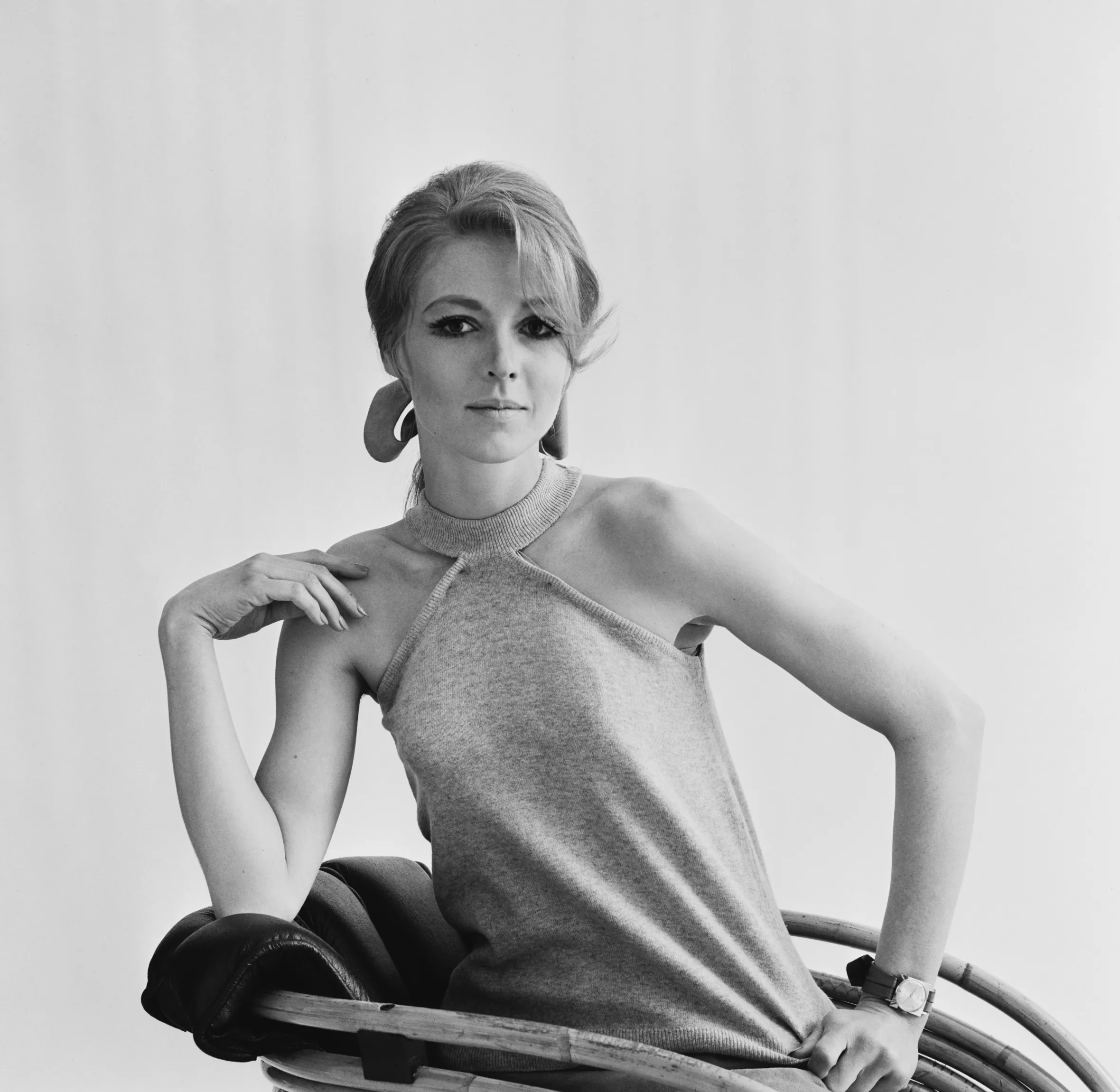
However, like many performers of her generation, her career was not limited to the big screen.
Television became an important part of her professional life. She appeared in a wide range of popular programs, including The Love Boat, Fantasy Island, Murder, She Wrote, and The Colbys.
These were shows that reached enormous American audiences.
For many older viewers, the television work may be the most familiar part of her career. During the peak years of network television, appearing on a popular series could make an actor recognizable to millions of households.
A performer could appear in a dramatic television movie one week, a guest role on a popular series the next, and a feature film soon afterward.
Pettet was part of that world.
Her career also reflected the opportunities available to actresses who successfully moved between film and television. She worked across different genres, appearing in dramas, thrillers, comedies, and television productions.
She was also known for her personal relationships with other prominent figures in the entertainment world. Her first marriage was to actor Alex Cord, and she later married actor and producer Peter Cook.
Over the years, she became part of the broader story of Hollywood’s classic era—not only through her own work but also through her connections to the industry and the performers who shaped American entertainment.
What made her career particularly interesting was its longevity.
Many actors who became known during the 1960s struggled to remain visible as the entertainment industry changed. Film styles evolved, television expanded, and new generations of performers emerged.
Pettet continued working across multiple decades.
For audiences today, it can be difficult to imagine just how influential television stars and film actors were during the period when her career was developing. There were far fewer entertainment channels, and audiences often encountered the same performers repeatedly.
A familiar actor could appear in a movie one weekend, a television special the next, and a popular series shortly afterward.
That kind of visibility helped create the classic Hollywood stars remembered by older generations.
Pettet’s career was part of that tradition.
Her passing was reported in a July 23 obituary published by The Guardian, which remembered her work in films and television. She was 83.
News of her death has brought renewed attention to a career that stretched across some of the most recognizable eras in modern entertainment.
For fans who remember the 1960s, 1970s, and 1980s, her work can serve as a reminder of a very different entertainment landscape.
There was a time when a performer did not need to be part of a massive franchise to become familiar to the public. An actor could build a lasting career through a combination of films, television appearances, and memorable supporting roles.
Pettet’s work represents that kind of career.
She may not be as instantly recognizable to younger audiences as the biggest stars of today, but for viewers who grew up with classic films and network television, her name is connected to a familiar period in American entertainment.
Her career also demonstrates the importance of supporting and character roles. Not every performer becomes the leading star of every production. Some actors build their reputations by appearing consistently in important projects alongside major stars.
Those careers can sometimes be overlooked when people discuss Hollywood history.
But they are an essential part of that history.
Pettet worked during an era when the entertainment industry was filled with talented performers who moved between film and television. Her appearances helped connect different generations of audiences to the changing world of popular entertainment.
Her film work gave her a place in classic cinema.
Her television appearances made her familiar to households across America.
And her career continued long enough to become part of the memories of multiple generations.
That is why news of her passing has resonated with fans of classic Hollywood.
For many viewers, her death is not simply the loss of an actress. It is another reminder that an entire generation of performers who defined the entertainment landscape of the 1960s and 1970s is gradually disappearing.
The stars of that era created movies that are still shown today. They appeared in television programs that remain part of American pop-culture history. They worked during a period when the entertainment business was smaller, more centralized, and often more personal than it is now.
Pettet was one of the performers who helped define that period.
Although she may not have been the biggest star in every production, her career brought her into contact with some of the most famous names in Hollywood and placed her in films and television programs remembered by audiences decades later.
For her fans, her legacy will live on through those performances.
Classic films can outlast the people who made them. Television episodes can be watched long after their original broadcasts. A performer who appeared on screen decades ago can still suddenly become familiar to a new generation discovering an old movie or series.
That is the lasting power of the screen.
And for those who remember her from the golden years of film and television, Joanna Pettet will remain part of a Hollywood era that continues to inspire nostalgia.
Her career spanned decades, crossed both film and television, and connected her to some of the most memorable entertainment of the twentieth century.
For many Americans who grew up watching those movies and programs, her passing marks the loss of another familiar face from an unforgettable era.

Emily Johnson is a critically acclaimed essayist and novelist known for her thought-provoking works centered on feminism, women’s rights, and modern relationships. Born and raised in Portland, Oregon, Emily grew up with a deep love of books, often spending her afternoons at her local library. She went on to study literature and gender studies at UCLA, where she became deeply involved in activism and began publishing essays in campus journals. Her debut essay collection, Voices Unbound, struck a chord with readers nationwide for its fearless exploration of gender dynamics, identity, and the challenges faced by women in contemporary society. Emily later transitioned into fiction, writing novels that balance compelling storytelling with social commentary. Her protagonists are often strong, multidimensional women navigating love, ambition, and the struggles of everyday life, making her a favorite among readers who crave authentic, relatable narratives. Critics praise her ability to merge personal intimacy with universal themes. Off the page, Emily is an advocate for women in publishing, leading workshops that encourage young female writers to embrace their voices. She lives in Seattle with her partner and two rescue cats, where she continues to write, teach, and inspire a new generation of storytellers.