NOTE: VIDEO AT THE END OF THE ARTICLE.
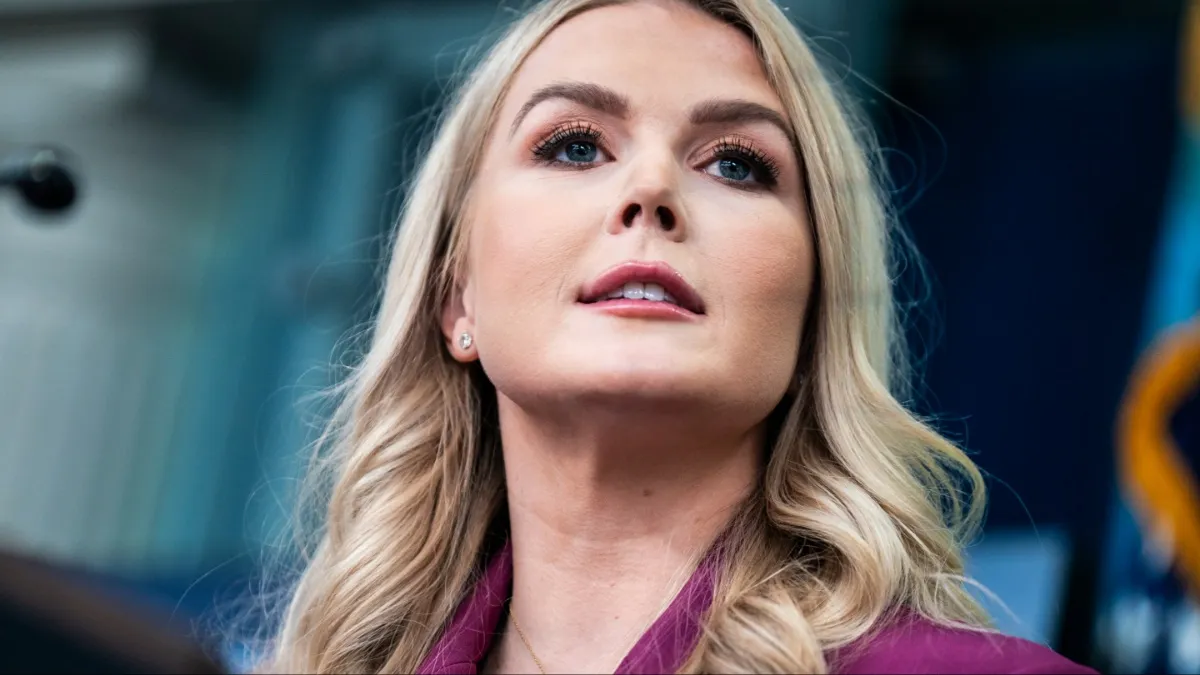
White House Press Secretary Karoline Leavitt forcefully dismissed recent allegations from Representative Thomas Massie (R-Ky.) and CNN, who suggested that the Trump administration failed to notify Congress ahead of the recent military strike against Iranian nuclear sites.
Appearing on Fox & Friends Monday morning, Leavitt emphasized that bipartisan communications were made prior to the operation, which was dubbed “Operation Midnight Hammer.” The operation targeted critical Iranian nuclear infrastructure over the past weekend.
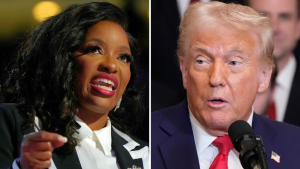
Addressing Massie directly, Leavitt questioned his party loyalty, remarking, “Thomas Massie… he should be a Democrat because he’s more aligned with them than with the Republican Party.” She reiterated that lawmakers from both parties had been informed ahead of the strike, contradicting Massie’s claims.
Massie had previously told CBS News that Congress was not briefed before the military action was launched. His comments raised concerns among some lawmakers and media outlets, with CNN amplifying the narrative that the administration bypassed proper congressional notification procedures.
Leavitt’s statement sought to set the record straight and reaffirm that the Trump administration followed established protocols for notifying elected officials. She underscored the importance of maintaining transparency with Congress, especially on sensitive national security operations.
The White House press secretary also highlighted the bipartisan nature of the outreach, indicating that leaders from both parties had received advance notice of the strike plans. This counters assertions that the Trump team acted unilaterally or without legislative oversight.
The dispute comes amid heightened tensions in the Middle East following the U.S. airstrikes on Iranian nuclear facilities, which sparked significant international reactions and domestic debate. The operation marked a critical escalation in the ongoing conflict between the U.S. and Iran over nuclear proliferation concerns.
While Massie’s remarks drew attention for suggesting a lack of consultation with Congress, Leavitt’s response reinforced the administration’s position that it adhered to proper notification channels. The contrasting accounts highlight the ongoing political divisions surrounding U.S. foreign policy and military actions.
As the situation continues to develop, the White House remains firm in defending its handling of the strike and its efforts to keep Congress informed. Meanwhile, some lawmakers are expected to seek further clarity on the details and timing of the notification process.
PLAY:

James Jenkins is a celebrated Pulitzer Prize-winning author whose work has reshaped the way readers think about social justice and human rights in America. Raised in Atlanta, Georgia, James grew up in a community that instilled in him both resilience and a strong sense of responsibility toward others. After studying political science and creative writing at Howard University, he worked as a journalist covering civil rights issues before dedicating himself fully to fiction. His novels are known for their sharp, empathetic portraits of marginalized communities and for weaving personal stories with broader political realities. Jenkins’s breakout novel, Shadows of Freedom, won national acclaim for its unflinching look at systemic inequality, while his more recent works explore themes of identity, resilience, and the fight for dignity in the face of oppression. Beyond his novels, James is an active public speaker, lecturing at universities and participating in nonprofit initiatives that support literacy and community empowerment. He believes that storytelling is a way to preserve history and inspire change. When not writing, James enjoys jazz music, mentoring young writers, and traveling with his family to explore cultures and stories around the world.