



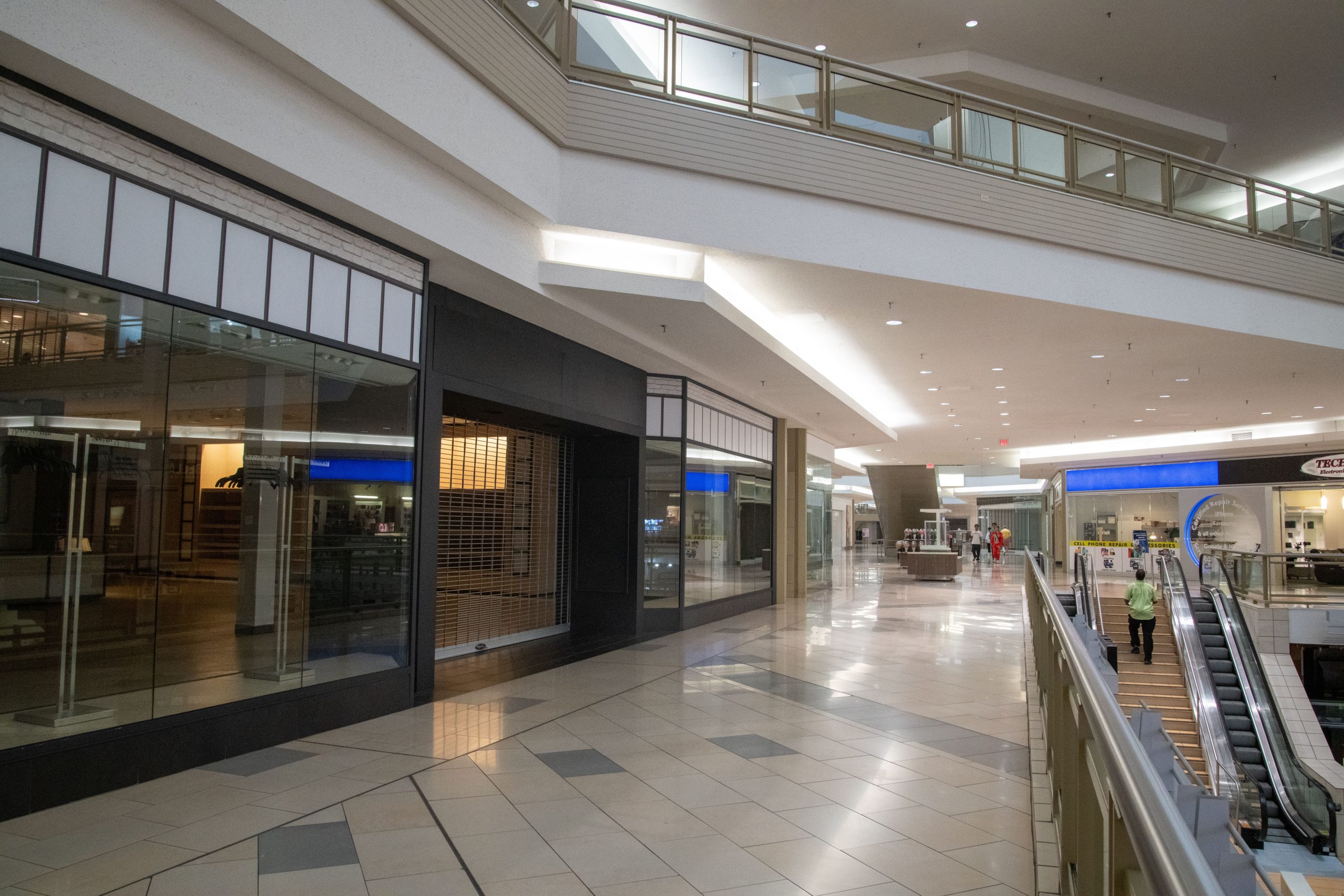
A major retail store chain is preparing to close dozens of locations across the United States, marking one of the most significant recent examples of a large retail operation dramatically shrinking its physical footprint.
The company is expected to close approximately 75 stores from one of its retail brands, representing more than one-third of that chain’s total locations. While the move does not mean the parent company is shutting down entirely, the scale of the decision has drawn attention because of what it reveals about the changing economics of brick-and-mortar retail.
For customers, the closures could mean fewer nearby locations, longer trips for essential purchases, and uncertainty about which stores will remain open. For employees and local communities, the announcement also raises questions about jobs, commercial real estate, and the future of specialized retail stores in smaller towns and regional markets.
The company involved has described the move as part of a broader restructuring effort. Rather than continuing to invest equally in every location, management is evaluating where capital and resources can produce the strongest returns.
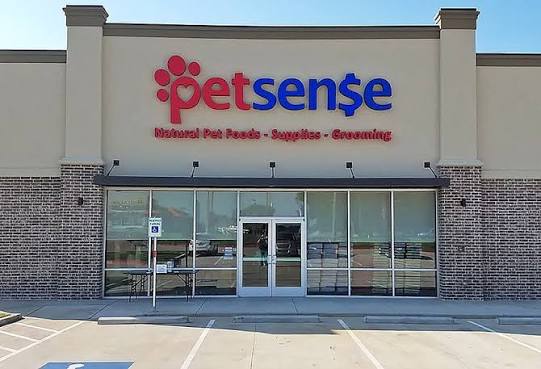
The retail store at the center of the announcement operates primarily in small and mid-sized communities. Its business model focuses on products and services for pets, including food, supplies, grooming, and other forms of animal care. That positioning has helped the chain establish a presence in areas that may not always have large specialty retailers nearby.
However, having a large store network can also become a challenge when individual locations fail to generate enough sales to justify their operating costs. Rent, labor, inventory, utilities, maintenance, and other expenses can quickly add up. When a location underperforms for an extended period, closing it may become more financially practical than continuing to support it.
The announcement comes at a time when retailers are increasingly scrutinizing their store portfolios. Physical stores remain important, but companies are becoming more selective about where they operate. The question is no longer simply whether a brand should expand. It is whether each individual location is contributing enough to justify the cost of keeping it open.
In this case, the retail store has more than 200 locations across 23 states. Closing approximately 75 would eliminate roughly 36% of its current locations, leaving the business with a significantly smaller footprint.
That is a substantial reduction for any established retail brand.
The company behind the restructuring is Tractor Supply Company, one of the largest rural lifestyle retailers in the United States. Its pet-focused subsidiary, Petsense by Tractor Supply, is the business expected to close approximately 75 of its 209 stores. Tractor Supply disclosed the planned closures as part of its second-quarter 2026 financial results and said the restructuring would involve significant charges, including impairment costs and an inventory write-down.
The news comes during a difficult period for the parent company. Tractor Supply reported second-quarter sales of $4.54 billion, an increase of 2.3% compared with the same period a year earlier. However, comparable-store sales declined 1.5%, while net income fell to $360.7 million from $430 million in the prior-year quarter. The company also lowered its financial outlook for the year.
Those figures help explain why management is taking a closer look at its overall portfolio.
The Petsense restructuring is expected to result in approximately $71.7 million in impairment and other charges, including a $5.9 million inventory write-down related to the planned store closures. While those charges affect the company’s financial results in the short term, the broader goal is to reduce exposure to underperforming locations and redirect resources toward areas where the company sees stronger opportunities.
For Tractor Supply, that strategy does not appear to mean abandoning growth altogether. The company continues to operate a much larger network of Tractor Supply stores and has continued opening new locations. Instead, the Petsense closures represent a more targeted effort to reshape one part of the business.
This distinction is important.
When a company closes dozens of stores, the news can easily be interpreted as a sign that the entire business is collapsing. In this case, however, the available information points more toward a portfolio restructuring than a complete retreat from physical retail.
The company is attempting to concentrate its resources on its strongest businesses and locations while reducing exposure to stores that have not performed as expected.
That approach has become increasingly common across the retail industry. Companies that expanded aggressively during stronger economic periods are now reassessing whether every store still makes sense. Changes in consumer habits, online shopping, labor costs, inflation, transportation expenses, and shifting demand can all affect the performance of individual locations.
Even when a company is growing overall, certain parts of its business may struggle.
That appears to be the challenge facing Petsense.
The brand was acquired by Tractor Supply in 2016 and has operated as a pet specialty retailer serving communities across the country. Its stores have offered pet food, supplies, grooming, training, and other services. The brand has also been part of Tractor Supply’s broader strategy to expand its presence in the animal-care market.
But the latest decision suggests that the company believes the existing size of the Petsense network is too large for current market conditions.
The closures may also reflect a broader shift in how customers shop for pet products. Many consumers now purchase recurring items such as food, litter, treats, and supplies online, where subscription services and home delivery can make regular purchases more convenient. Physical stores still offer advantages, particularly for immediate purchases, grooming, customer service, and specialized products, but maintaining hundreds of locations can be expensive.
The challenge for retailers is finding the right balance between convenience and cost.
A store may be valuable to customers while still being financially difficult to operate. In smaller markets, a location might serve a wide geographic area but not generate enough daily sales. In other cases, a store may face competition from online retailers or nearby general merchandise stores that sell similar products.
Once a company begins reviewing its network, the locations with the weakest financial performance often become the most vulnerable.
The Petsense closures are also significant because they show how a large parent company can respond when one part of its portfolio does not meet expectations. Rather than allowing losses to continue indefinitely, management can reduce the size of the operation and redirect investment elsewhere.
Tractor Supply has said it intends to sharpen its strategic focus, improve productivity, strengthen its value position, and reinforce its companion-animal business. The company has also pointed to investments in store remodeling, new store development, and delivery capabilities as part of its broader strategy.
The question now is what the closures will mean for customers and employees at the affected locations.
The company has not publicly released a complete list of all 75 stores expected to close. That means customers in individual communities may not yet know whether their local location will be affected. As the process develops, additional details could emerge regarding store closing dates, inventory reductions, employee transitions, and the future of services offered at nearby locations.
For communities that depend on a local specialty pet store, the loss could be particularly noticeable. A nearby store can provide more than products. It can offer grooming, advice, training-related services, and a convenient place to purchase supplies without waiting for delivery.
At the same time, the restructuring illustrates a difficult reality facing modern retailers: a large physical footprint is not automatically an advantage.
Retail companies must constantly decide whether their stores are helping them grow or holding back their financial performance. In some cases, a smaller network can be more efficient and profitable than a larger one.
That appears to be the direction Tractor Supply is taking with Petsense.
The closure of approximately 75 locations is a major reduction, but it is not the same as the brand disappearing. Roughly 134 locations would remain if the planned closures are completed as announced. The remaining stores could potentially receive more focused investment and attention as the company attempts to build a more sustainable business.
The move also sends a message to the broader retail industry.
Even large companies with billions of dollars in annual sales are not immune to the pressure to make difficult decisions about their store networks. A business can continue growing in one area while shrinking in another. It can open new stores while closing older ones. And it can remain financially strong overall while restructuring a struggling subsidiary.
For shoppers, the immediate impact will depend on which locations are selected for closure. For the retail industry, however, the announcement is another reminder that the era of constant expansion is becoming more selective.
The future of brick-and-mortar retail may not belong to the companies with the most stores.
It may belong to the companies that are most willing to decide which stores truly deserve to remain.

Emily Johnson is a critically acclaimed essayist and novelist known for her thought-provoking works centered on feminism, women’s rights, and modern relationships. Born and raised in Portland, Oregon, Emily grew up with a deep love of books, often spending her afternoons at her local library. She went on to study literature and gender studies at UCLA, where she became deeply involved in activism and began publishing essays in campus journals. Her debut essay collection, Voices Unbound, struck a chord with readers nationwide for its fearless exploration of gender dynamics, identity, and the challenges faced by women in contemporary society. Emily later transitioned into fiction, writing novels that balance compelling storytelling with social commentary. Her protagonists are often strong, multidimensional women navigating love, ambition, and the struggles of everyday life, making her a favorite among readers who crave authentic, relatable narratives. Critics praise her ability to merge personal intimacy with universal themes. Off the page, Emily is an advocate for women in publishing, leading workshops that encourage young female writers to embrace their voices. She lives in Seattle with her partner and two rescue cats, where she continues to write, teach, and inspire a new generation of storytellers.