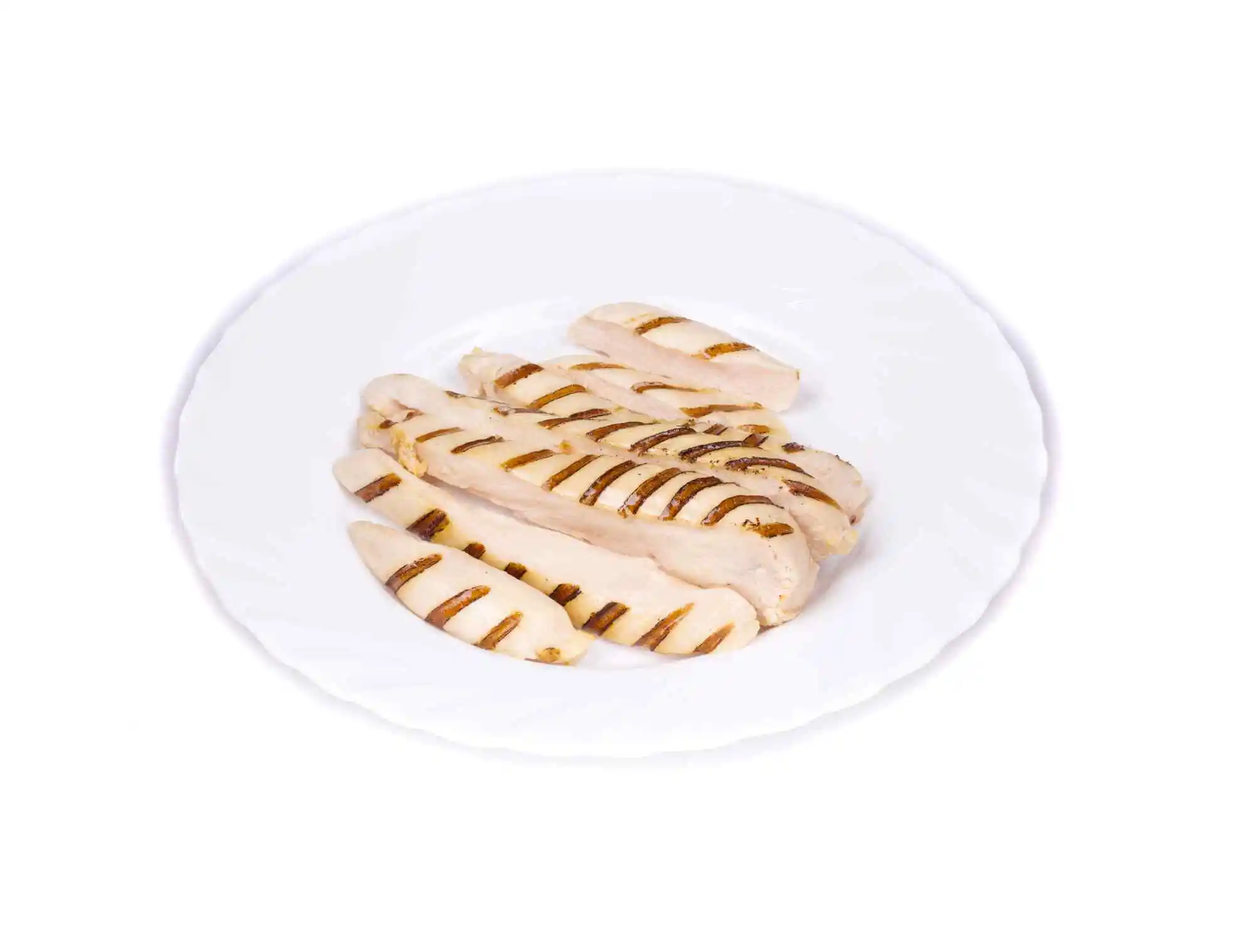
A major food recall has been issued after thousands of pounds of pre-cooked chicken were found to be contaminated with the dangerous bacterium Listeria. Suzanna’s Kitchen, based in Norcross, Georgia, is recalling approximately 13,720 pounds of chicken breast fillets with rib meat. The meat was packaged in 10-pound cases containing two five-pound bags and sold to restaurants, hotels, cafeterias, schools, hospitals, and catering services across seven states: Alabama, Florida, Georgia, Missouri, New Hampshire, North Carolina, and Ohio. The products were not intended for retail sale in grocery stores.
The recall was prompted by a positive Listeria test conducted by a third-party laboratory. Listeria monocytogenes is a foodborne pathogen that occurs naturally in soil, water, and certain animal feces. When ingested, it can cause listeriosis, an illness ranging from mild flu-like symptoms to severe, life-threatening conditions. Healthy adults may only experience fever, muscle aches, headaches, and occasionally diarrhea. However, the infection is particularly dangerous for pregnant women, newborns, the elderly, and people with weakened immune systems, who are at risk of serious complications such as meningitis, sepsis, neurological issues, and even death.
Listeria infections in vulnerable populations can progress rapidly. In pregnant women, the bacteria can cross the placental barrier, potentially causing miscarriage, stillbirth, premature delivery, or severe infection in the newborn. Newborns under one month old are especially at risk because their immune systems are not fully developed. Older adults with underlying conditions such as diabetes, cancer, or heart disease are also highly susceptible, with infections often resulting in more severe outcomes.
The affected lot is labeled 60104 P1382 287 5 J14, with the production date of October 14, 2025. While no illnesses have been reported so far, federal authorities are warning that some of the chicken may still be in commercial cold storage and must not be served. Businesses that possess the recalled product are instructed to either dispose of it safely or return it to the manufacturer.
Listeria monocytogenes is responsible for an estimated 1,250 to 1,600 cases of illness in the United States each year. These cases lead to roughly 1,500 hospitalizations and about 260 deaths annually. The Centers for Disease Control and Prevention emphasizes that early detection and proper handling of food are critical in preventing the spread of the bacteria. Since listeriosis can appear within a day of ingestion and symptoms may last for several days in healthy individuals, prompt medical attention is recommended for anyone who suspects exposure, particularly those in high-risk groups.
In mild cases, the infection may be self-limiting, with symptoms resolving within a few days without long-term consequences. However, for the immunocompromised and other vulnerable populations, listeriosis can invade the bloodstream and central nervous system, causing severe complications. These include stiff neck, confusion, loss of balance, seizures, and in extreme cases, death. Preventive measures, including strict hygiene in food preparation and storage, are essential to minimize the risk of contamination.
Federal authorities have stressed that establishments serving the recalled chicken, including catering services and institutional kitchens, should check their inventories immediately. Any affected products must be removed from service to prevent exposure to patrons. Health officials are also advising that anyone experiencing symptoms consistent with listeriosis seek immediate medical evaluation, particularly if they fall within the high-risk categories.
The recall highlights ongoing concerns about food safety and the risks posed by bacterial contamination in pre-cooked and processed meats. Listeria is hardy, able to survive refrigeration and persist in food processing environments if sanitation protocols are not strictly maintained. The USDA and FDA regularly monitor and issue recalls to prevent outbreaks of foodborne illnesses, and adherence to these guidelines is critical for public health protection.
Restaurants, schools, hospitals, and catering services that received the affected chicken are urged to contact Suzanna’s Kitchen or their distributors for guidance on returns and safe disposal. These measures are essential to prevent potential listeriosis cases and protect consumers, particularly those most vulnerable to severe complications.
Listeriosis, while relatively rare, remains one of the deadliest foodborne infections due to its ability to disproportionately affect vulnerable populations. Symptoms in early infection can be nonspecific, making diagnosis challenging. The CDC recommends that pregnant women, older adults, and immunocompromised individuals avoid high-risk foods, including pre-packaged, ready-to-eat meats and unpasteurized dairy products, to reduce exposure.
The current recall underscores the importance of vigilance throughout the food supply chain, from production to consumption. Food manufacturers are responsible for implementing rigorous testing and sanitation measures to prevent contamination, while distributors and food service providers must ensure that only safe products reach consumers. Timely reporting and removal of potentially contaminated food are crucial steps in mitigating the public health risk.
Consumers who may have received the recalled chicken are advised to avoid consuming it and to follow local guidance for returning or discarding the product. Symptoms such as fever, muscle aches, headache, and gastrointestinal distress after consuming potentially contaminated food should prompt immediate medical consultation. For high-risk individuals, early intervention can significantly reduce the risk of serious outcomes.
This recall is part of a broader effort by federal agencies to monitor and control foodborne illnesses. The FSIS and USDA continue to track reports of contamination and work closely with manufacturers to ensure compliance with food safety standards. Education and awareness about Listeria risks, proper food handling, and prompt recall actions remain key strategies to protect public health and prevent outbreaks.
In summary, over 13,700 pounds of fully cooked chicken breast fillets produced by Suzanna’s Kitchen have been recalled due to Listeria contamination. The product was distributed across seven U.S. states to commercial establishments and is not intended for retail sale. While no illnesses have been reported, individuals in vulnerable populations—including pregnant women, newborns, older adults, and immunocompromised individuals—should take particular caution. Federal authorities are urging businesses to remove affected products from service, properly dispose of or return them, and for consumers to seek medical attention if symptoms of listeriosis appear. This recall serves as a reminder of the ongoing need for vigilance in food safety, proper handling, and adherence to federal guidelines to prevent exposure to dangerous pathogens.

Emily Johnson is a critically acclaimed essayist and novelist known for her thought-provoking works centered on feminism, women’s rights, and modern relationships. Born and raised in Portland, Oregon, Emily grew up with a deep love of books, often spending her afternoons at her local library. She went on to study literature and gender studies at UCLA, where she became deeply involved in activism and began publishing essays in campus journals. Her debut essay collection, Voices Unbound, struck a chord with readers nationwide for its fearless exploration of gender dynamics, identity, and the challenges faced by women in contemporary society. Emily later transitioned into fiction, writing novels that balance compelling storytelling with social commentary. Her protagonists are often strong, multidimensional women navigating love, ambition, and the struggles of everyday life, making her a favorite among readers who crave authentic, relatable narratives. Critics praise her ability to merge personal intimacy with universal themes. Off the page, Emily is an advocate for women in publishing, leading workshops that encourage young female writers to embrace their voices. She lives in Seattle with her partner and two rescue cats, where she continues to write, teach, and inspire a new generation of storytellers.