


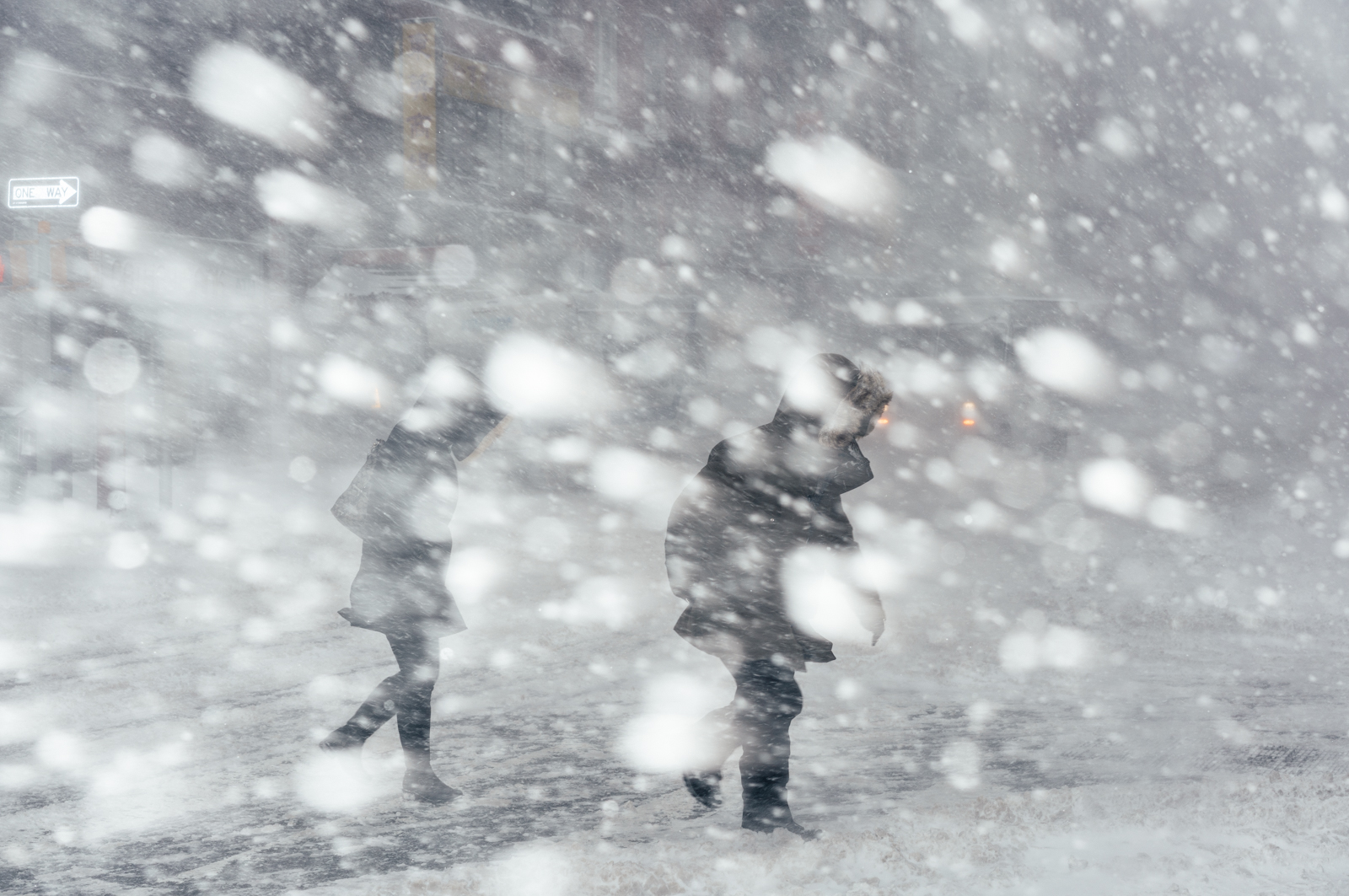
A powerful winter storm is set to sweep across the United States over the next three days, impacting millions of residents from the Midwest to the Northeast with snow, ice, and freezing temperatures. Meteorologists warn that the storm will create hazardous travel conditions during the holiday weekend, potentially delaying travel and threatening safety for motorists, commuters, and outdoor holiday revelers.
The system is expected to begin affecting northern Minnesota and Wisconsin on Christmas night, moving eastward into Michigan, Pennsylvania, New York, and the broader Northeast region by Friday. Forecasters predict that the combination of ice, snow, and low temperatures could cause treacherous road conditions, prompting warnings from state and local authorities to limit travel unless absolutely necessary.
Snow and Ice Forecast
Meteorologists predict significant snowfall across key cities in the Northeast. New York City, Syracuse, and the southern Hudson Valley are expected to see three to six inches of snow, while parts of western Pennsylvania may also experience similar accumulations. Cities such as Boston, Massachusetts, and Philadelphia, Pennsylvania, will likely see lighter snowfall, ranging from one to three inches. Meanwhile, areas in northern West Virginia, Pennsylvania, and Detroit could see up to 0.2 inches of ice, enough to make roads slippery and hazardous.
Temperatures are expected to fall well below seasonal averages during the storm. Maine residents may experience lows near 19°F, New York City around 22°F, and Connecticut near 25°F. Pennsylvania is forecasted to see temperatures around the freezing mark at 32°F. These sub-freezing temperatures, combined with snow and ice, increase the risk of black ice formation on highways and local roads, making travel especially dangerous.
“This winter storm is likely to generate treacherous travel conditions and delays following Christmas Day,” the National Weather Service said in its advisory. Officials urged motorists to avoid highways such as I-80 and I-70 unless travel is absolutely necessary, noting that even short trips could become life-threatening under the expected conditions.
West Coast Flooding Compounds Holiday Weather Concerns
While the Midwest and Northeast brace for snow and ice, California is facing a separate set of hazards in the form of severe flooding and mudslides. Roads have been transformed into rivers, homes engulfed by mudslides, and thousands of residents left without power, according to data from PowerOutage.com.
Governor Gavin Newsom declared a state of emergency in multiple counties, including Los Angeles, Orange, Riverside, San Bernardino, San Diego, and Shasta. Hundreds of residents have been evacuated as rivers, storm drains, and channels overflowed, threatening homes and infrastructure. Areas previously affected by wildfires, such as Altadena, remain particularly vulnerable due to burn scars that prevent the land from absorbing water effectively, increasing the risk of landslides and rapid runoff.
The San Gabriel Mountains have seen some of the most severe impacts. Residents in Wrightwood and Lytle Creek were trapped when mud and debris washed out critical access routes. Emergency responders went door-to-door to ensure residents’ safety, and some people sought shelter in community centers or local hotels as rescue operations continued.
Travis Guenther, a resident of Lytle Creek, described the chaotic conditions: “Everybody that left to go to work this morning is stuck. Half the families are here, and half the families are on the other side of the creek.” Local volunteers, including medical professionals, are assisting stranded residents, providing supplies, and ensuring that anyone with urgent medical needs receives care.
Holiday Travel Disruptions
The timing of the storm during the Christmas holiday weekend exacerbates its potential impact. Airports across the Northeast may face flight delays or cancellations due to snow accumulation and icy conditions on runways. Road travel could be slowed considerably, with secondary and rural roads posing additional risks due to unplowed streets or fallen tree limbs.
Authorities recommend that travelers monitor weather updates closely, avoid unnecessary journeys, and ensure that vehicles are equipped with emergency kits, blankets, and supplies for cold weather. In addition, public transportation systems may experience delays, and some routes may be temporarily suspended to ensure passenger safety.
Regional Impacts in the Midwest
The Midwest, particularly northern Minnesota, Wisconsin, and Michigan, will feel the brunt of the storm early on Christmas night and Friday morning. AccuWeather meteorologist Tyler Roys warned that some areas could experience the heaviest snow of the season so far. Residents of these regions are advised to prepare for treacherous conditions, including slick roads, limited visibility, and potential power outages.
Emergency services in these states have been placed on high alert, ready to respond to accidents, stranded motorists, and potential disruptions to essential services. Residents are encouraged to check with local authorities for updates on road conditions, school closures, and public safety announcements.
Eastern Cities Face Snow and Ice
In the Northeast, the storm will bring a mix of snow and freezing rain to major metropolitan areas. New York City and northern New Jersey could receive up to six inches of snow, while up to three inches are expected in Boston and Philadelphia. Even a thin layer of ice in areas such as Detroit and northeastern West Virginia may create dangerous driving conditions.
Temperatures dropping below freezing could further complicate snow removal efforts. Cities are deploying snowplows, sanding trucks, and emergency crews to manage road conditions. Residents are advised to remain indoors if possible and avoid travel until roads are deemed safe.
California’s Second Wave of Winter Hazards
While the East prepares for snow, California continues to battle a second wave of severe winter weather. Roads remain flooded, mudslides are ongoing, and rescue operations are underway in affected communities. With 160,000 homes without power on Christmas morning, many residents remain displaced or reliant on emergency shelters.
Authorities continue to warn of flash flooding, tornadoes, and unstable terrain in fire-scarred areas. Evacuation orders remain in place for Lytle Creek, Wrightwood, and surrounding regions, where residents face additional hazards from falling debris and rapid runoff. Local officials have urged residents to exercise extreme caution and follow emergency instructions from first responders.
Historical Context and Outlook
Although winter storms are common in the Midwest and Northeast, the timing during a major holiday weekend poses additional challenges for public safety, transportation, and emergency response. In addition, California’s second consecutive wave of flooding highlights the growing threat posed by climate-related weather extremes, including the interaction between wildfire-affected areas and heavy rainfall.
Forecasters predict that the storm system will gradually move out of the Northeast by Saturday, allowing for improved travel conditions later in the weekend. However, emergency officials urge residents to continue monitoring weather alerts and advisories, prepare for potential power outages, and avoid unnecessary travel while roads remain hazardous.
Recommendations for Residents
-
Avoid driving unless absolutely necessary.
-
Keep emergency supplies, blankets, and warm clothing available.
-
Monitor local weather and road conditions for updates.
-
Follow evacuation orders and shelter-in-place instructions in flood-affected areas.
-
Check on neighbors, particularly the elderly or medically vulnerable, during extreme weather events.
Conclusion
The Christmas weekend storm underscores the risks posed by extreme winter weather and the importance of preparedness. From snow and ice across the Midwest and Northeast to flooding and mudslides in California, residents face a challenging holiday period. Authorities across affected regions are coordinating responses, urging the public to exercise caution, and reminding everyone that safety should take priority over holiday travel or activities.
With a storm of this magnitude, officials emphasize that preparation, vigilance, and adherence to safety guidance are critical to preventing accidents and ensuring that the holiday season ends safely for millions of Americans.

Emily Johnson is a critically acclaimed essayist and novelist known for her thought-provoking works centered on feminism, women’s rights, and modern relationships. Born and raised in Portland, Oregon, Emily grew up with a deep love of books, often spending her afternoons at her local library. She went on to study literature and gender studies at UCLA, where she became deeply involved in activism and began publishing essays in campus journals. Her debut essay collection, Voices Unbound, struck a chord with readers nationwide for its fearless exploration of gender dynamics, identity, and the challenges faced by women in contemporary society. Emily later transitioned into fiction, writing novels that balance compelling storytelling with social commentary. Her protagonists are often strong, multidimensional women navigating love, ambition, and the struggles of everyday life, making her a favorite among readers who crave authentic, relatable narratives. Critics praise her ability to merge personal intimacy with universal themes. Off the page, Emily is an advocate for women in publishing, leading workshops that encourage young female writers to embrace their voices. She lives in Seattle with her partner and two rescue cats, where she continues to write, teach, and inspire a new generation of storytellers.