



The latest meeting between former President Donald Trump and Russian President Vladimir Putin in Anchorage, Alaska, has sparked heated debate across the political spectrum. While Trump framed the summit as a step toward lasting peace in Eastern Europe, critics argue that his strategy may undercut Ukraine’s position in the war.
Schiff Questioned on CNN
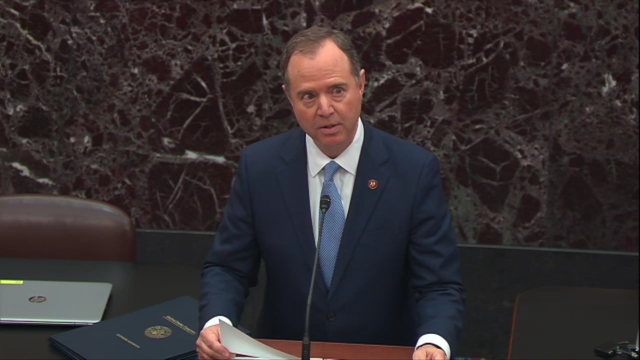
Appearing on CNN’s The Lead, Senator Adam Schiff (D-CA) was pressed by host Jake Tapper on whether Trump deserves credit for attempting to broker peace between Russia and Ukraine.
Tapper highlighted that President Joe Biden’s approach—billions in U.S. aid to Kyiv—had failed to stop the war. The question put Schiff in a difficult position: acknowledge Trump’s efforts or double down on Biden’s strategy.
Schiff cautiously responded:
“Look, I’m all for any attempt to bring an end to the bloodshed. But what would have been, I think, a far more successful strategy for the President was to have Ukraine’s back—to be leaning into providing material and military support to Ukraine.”
He argued that Trump’s policies weakened Ukraine’s leverage while allowing Putin more space to maneuver.
Biden vs. Trump: Competing Approaches
The Russia-Ukraine conflict has spanned three administrations. Fighting began in 2014 under President Obama, escalated into full-scale war during Biden’s presidency in 2022, and continues into 2025.
Biden’s strategy has relied heavily on sanctions, military aid, and promises of a “decisive response.” Billions in U.S. resources were committed to Ukraine. Yet, despite the flow of aid, Ukraine failed to secure decisive victories.
Trump, on the other hand, emphasizes direct negotiations. He has repeatedly said that sanctions and temporary ceasefires are not enough. Instead, his stated goal is a permanent peace deal—something he insists only he can deliver.
Schiff’s Reluctance to Credit Trump
When asked if Trump deserves recognition, Schiff deflected. He argued that Trump has blocked bipartisan sanctions on Russia and pulled back from earlier threats.
“So I don’t think this is the successful negotiating posture Ukraine deserves,” Schiff said.
For Schiff, the summit is not progress but a sign of weakness. For Trump, it is evidence that only bold leadership can secure peace.
A Critical Moment in U.S. Foreign Policy
The Anchorage meeting comes as the war enters its fourth year. Ukrainian President Volodymyr Zelensky is expected to meet Trump in Washington, D.C., soon after the summit with Putin.
That sequence—meeting Putin first, Zelensky second—has drawn criticism from Democrats who say Trump is sidelining Ukraine. Yet Trump’s allies argue that his approach shows seriousness about ending the war, not prolonging it.
What Comes Next
There was no official agreement announced in Anchorage. However, Trump issued a stark warning: if Putin does not engage in meaningful talks, sanctions could follow.
The stakes are high. For Ukrainians, the question is whether U.S. leadership will provide military support or push for negotiations. For Americans, the question is whether Trump’s peace-first approach will succeed where sanctions and aid have failed.
As the conflict continues, the world watches to see if Anchorage was a turning point—or just another chapter in a long, uncertain war.
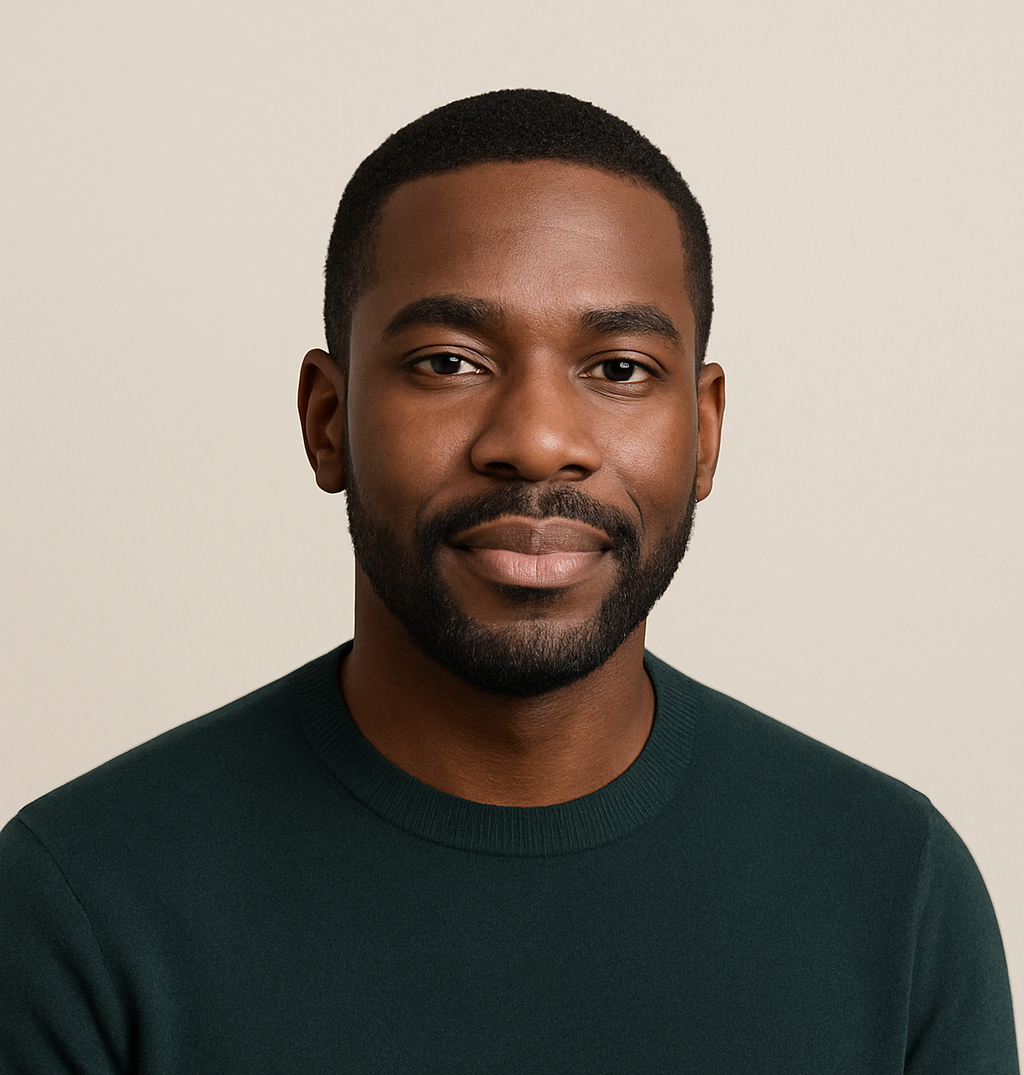
James Jenkins is a celebrated Pulitzer Prize-winning author whose work has reshaped the way readers think about social justice and human rights in America. Raised in Atlanta, Georgia, James grew up in a community that instilled in him both resilience and a strong sense of responsibility toward others. After studying political science and creative writing at Howard University, he worked as a journalist covering civil rights issues before dedicating himself fully to fiction. His novels are known for their sharp, empathetic portraits of marginalized communities and for weaving personal stories with broader political realities. Jenkins’s breakout novel, Shadows of Freedom, won national acclaim for its unflinching look at systemic inequality, while his more recent works explore themes of identity, resilience, and the fight for dignity in the face of oppression. Beyond his novels, James is an active public speaker, lecturing at universities and participating in nonprofit initiatives that support literacy and community empowerment. He believes that storytelling is a way to preserve history and inspire change. When not writing, James enjoys jazz music, mentoring young writers, and traveling with his family to explore cultures and stories around the world.