



NOTE: VIDEO AT THE END OF ARTICLE
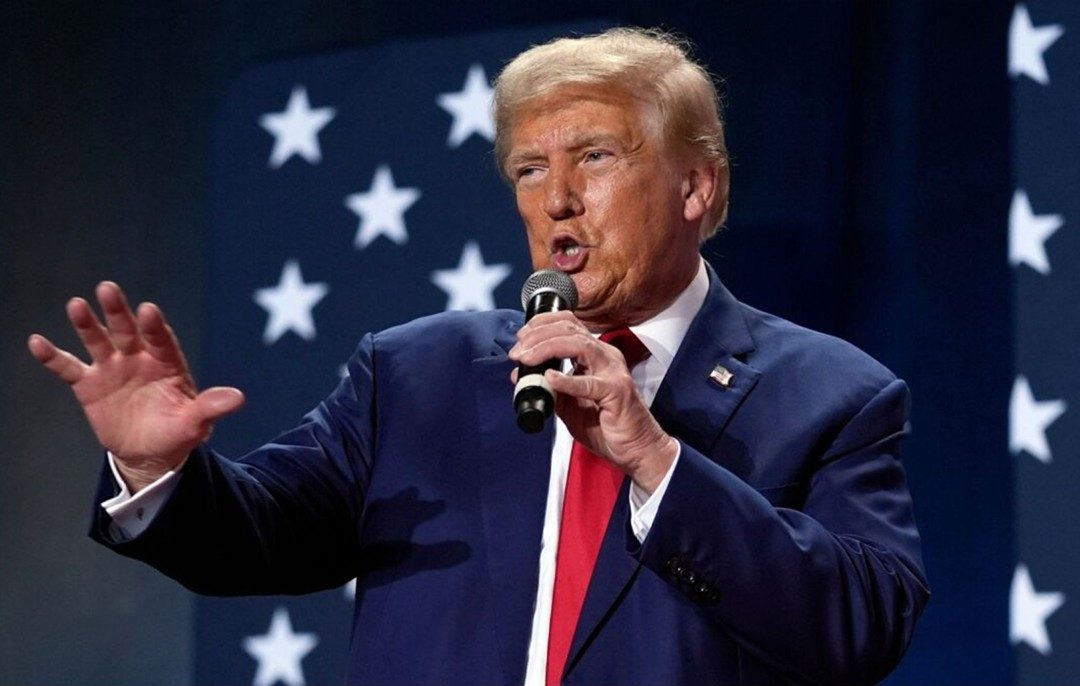
President Donald Trump has issued a stark warning to Iran, declaring that future military action will be far more severe if the country refuses to pursue peace. His comments followed a large-scale U.S. military operation that targeted and destroyed several of Iran’s key nuclear sites.
Speaking from the White House, Trump emphasized that the strikes were a direct response to Iran’s continued nuclear development and hostile actions. He described Iran as a long-standing threat to both the United States and its allies, and said that the time had come to bring that threat to an end.
The targeted facilities were major components of Iran’s nuclear infrastructure. Trump confirmed that the sites had been completely destroyed in a coordinated operation involving advanced weaponry and military precision. He praised U.S. military personnel for executing the mission flawlessly and described the action as one of the most significant military operations in recent decades.
Trump also stated that the United States worked in close coordination with Israel during the strikes. He applauded the cooperation between the two nations and expressed confidence that the joint operation had dealt a serious blow to Iran’s ability to develop nuclear weapons.
The former president delivered a clear message: Iran now has a choice between peace or further conflict. He warned that if Iran continues to defy international demands, future strikes would be faster, more targeted, and more devastating. Trump urged Iranian leaders to take the opportunity to de-escalate and engage in diplomacy, but made it clear that the U.S. is fully prepared for continued military action if necessary.
He framed the mission as part of a broader effort to stop decades of aggression. Trump cited Iran’s history of supporting terrorism and its repeated threats against the U.S. and its allies as justification for the strikes. According to him, this operation marks a turning point in holding Iran accountable for its actions.
While no details were given about future operations, Trump concluded by saying that the U.S. remains vigilant and ready to act again if required. The message was unmistakable: peace is still an option—but continued resistance will be met with overwhelming force.

James Jenkins is a celebrated Pulitzer Prize-winning author whose work has reshaped the way readers think about social justice and human rights in America. Raised in Atlanta, Georgia, James grew up in a community that instilled in him both resilience and a strong sense of responsibility toward others. After studying political science and creative writing at Howard University, he worked as a journalist covering civil rights issues before dedicating himself fully to fiction. His novels are known for their sharp, empathetic portraits of marginalized communities and for weaving personal stories with broader political realities. Jenkins’s breakout novel, Shadows of Freedom, won national acclaim for its unflinching look at systemic inequality, while his more recent works explore themes of identity, resilience, and the fight for dignity in the face of oppression. Beyond his novels, James is an active public speaker, lecturing at universities and participating in nonprofit initiatives that support literacy and community empowerment. He believes that storytelling is a way to preserve history and inspire change. When not writing, James enjoys jazz music, mentoring young writers, and traveling with his family to explore cultures and stories around the world.