


NOTE: TRUMP’s POST AT THE END OF THE ARTICLE.
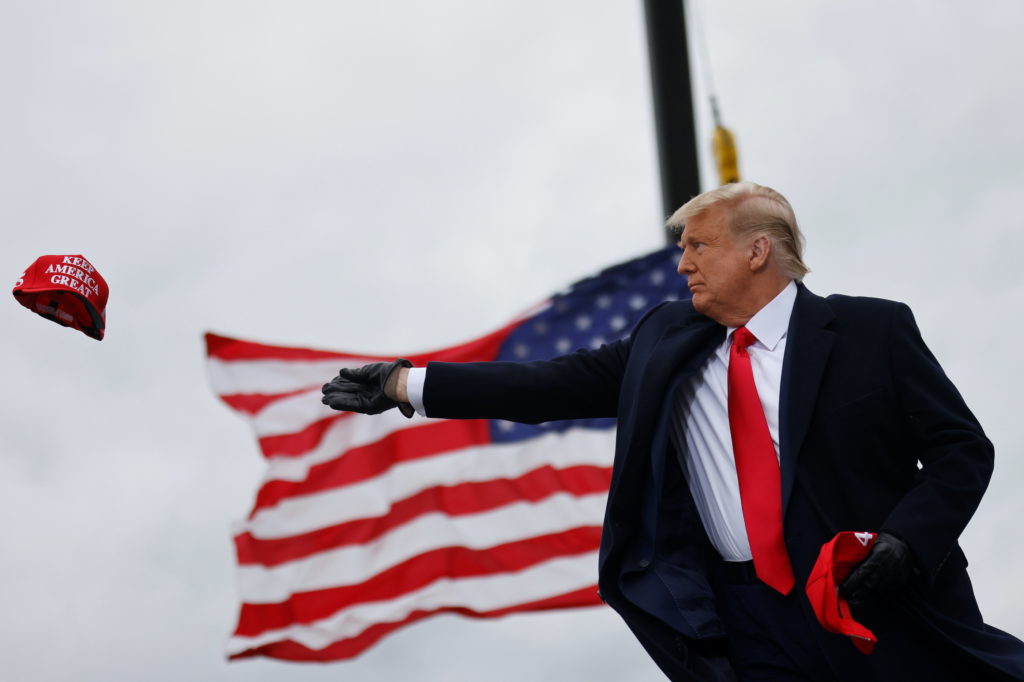
President Donald Trump has once again intensified his claims of widespread fraud in the 2020 presidential election. In a recent post on his TruthSocial account, Trump asserted that the election was “a total FRAUD” and demanded the appointment of a special prosecutor to investigate what he described as “massive and overwhelming” evidence of wrongdoing.
Trump declared that he won the 2020 election by a “LANDSLIDE,” directly challenging the official certified results that declared Joe Biden the winner. He referred to Biden as “Sleepy” and “Crooked,” insisting that the current president and his administration are illegitimate due to the alleged fraudulent election.
In his TruthSocial message, Trump warned that such alleged fraud “cannot be allowed to happen again in the United States of America” and urged his supporters to “let the work begin.” This call to action signals a continued effort by Trump to contest the outcome of the 2020 election and to push for further investigations into the integrity of the voting process.
Additionally, Trump accused Biden and his allies — whom he labeled “CORRUPT CRONIES” — of causing extensive damage to the country since taking office. This rhetoric underscores Trump’s ongoing campaign to delegitimize the current administration and rally his political base around claims of election misconduct.
Context and Reality Check
Since the 2020 election, Trump’s allegations of fraud have been thoroughly examined and repeatedly rejected by courts, election officials, and independent observers across the country. Multiple recounts and audits, including in key battleground states, confirmed the accuracy and fairness of the election results.
The Department of Justice found no evidence of widespread voter fraud that would have changed the election outcome. Despite this, Trump’s supporters continue to push these claims, which remain a defining theme in his political messaging.
The Impact of Continued Election Fraud Claims
Trump’s insistence on election fraud and demands for special investigations keep the controversy alive in U.S. politics, fueling divisions and skepticism about democratic processes. Critics argue that these unfounded claims undermine public confidence in elections and democracy itself.
Whether a special prosecutor will be appointed to revisit the 2020 election remains uncertain, but Trump’s latest call signals that election integrity will continue to be a central issue for his supporters and the Republican Party.
As the nation moves forward, the debate over the 2020 election’s legitimacy remains a potent and polarizing force shaping American political discourse.

James Jenkins is a celebrated Pulitzer Prize-winning author whose work has reshaped the way readers think about social justice and human rights in America. Raised in Atlanta, Georgia, James grew up in a community that instilled in him both resilience and a strong sense of responsibility toward others. After studying political science and creative writing at Howard University, he worked as a journalist covering civil rights issues before dedicating himself fully to fiction. His novels are known for their sharp, empathetic portraits of marginalized communities and for weaving personal stories with broader political realities. Jenkins’s breakout novel, Shadows of Freedom, won national acclaim for its unflinching look at systemic inequality, while his more recent works explore themes of identity, resilience, and the fight for dignity in the face of oppression. Beyond his novels, James is an active public speaker, lecturing at universities and participating in nonprofit initiatives that support literacy and community empowerment. He believes that storytelling is a way to preserve history and inspire change. When not writing, James enjoys jazz music, mentoring young writers, and traveling with his family to explore cultures and stories around the world.