

For many Americans, it was the go-to destination before heading out on the water. Whether replacing a worn-out part, stocking up on safety gear, or preparing for a weekend fishing trip, generations of boaters relied on the same familiar retailer.
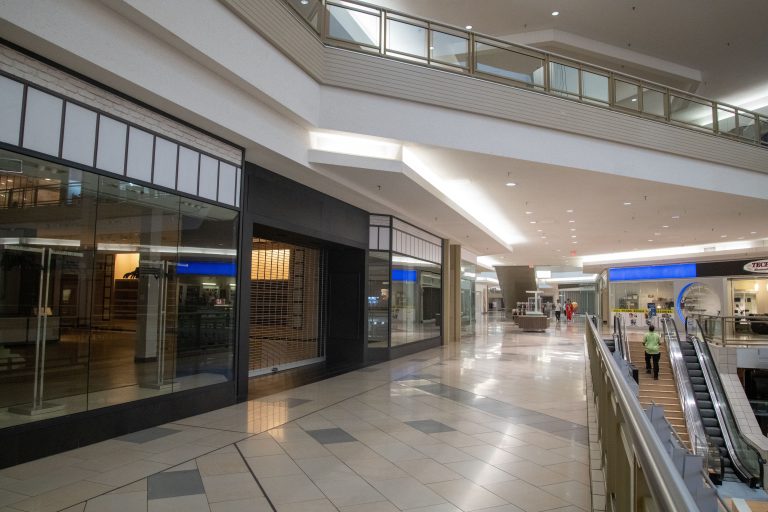
Now, longtime customers are watching the company struggle for survival after it filed for Chapter 11 bankruptcy protection and announced plans to close dozens of stores across the United States.
The retailer, which grew from a small California business into the nation’s largest marine supply chain, is attempting to restructure under mounting financial pressure after years of changing consumer habits and a sharp slowdown in the boating industry.
Company executives say the bankruptcy filing is part of a broader effort to reduce debt, streamline operations and position the business for long-term survival.
“The actions we are taking today will allow us to optimize our operations and rationalize our footprint, so that we can focus on continuing to serve our customers and community well into the future,” CEO Paulee Day said in a statement.
The company later revealed that it was West Marine, a marine retail giant founded in 1968 that spent decades building a loyal customer base among recreational boaters, sailors and commercial operators.
As part of the restructuring, West Marine has confirmed plans to close 59 stores spread across 23 states, including locations in Florida, California, Michigan, Maryland, New Jersey, Ohio, Washington and South Carolina. Court filings suggest even more closures could be on the horizon, with as many as 95 locations potentially facing the chopping block as the company evaluates its nationwide footprint.
The bankruptcy documents highlight the scale of the challenge facing the retailer. West Marine reported more than 100,000 creditors and approximately $549 million in debt obligations.
Industry analysts say the company’s difficulties reflect broader changes throughout the outdoor recreation market.
During the COVID-19 pandemic, boating experienced an unprecedented boom as Americans sought outdoor activities while travel restrictions limited other leisure options. Demand for boats, kayaks, paddleboards and marine equipment surged, creating record sales across much of the industry.
However, that momentum has faded significantly in recent years.
According to the National Marine Manufacturers Association, new boat retail sales fell by 8.8 percent in 2025 as inflation, elevated interest rates and economic uncertainty weighed on consumer spending.
Analysts argue that many companies expanded aggressively during the pandemic surge, assuming demand would remain elevated for years.
“Many in the industry thought the good times would go on forever, but they did not,” said retail analyst Matt Powell of Spurwink River.
Customers who invested heavily in boats and watercraft during the pandemic often have little need to replace those purchases only a few years later, reducing demand for both equipment and accessories.
Yet among many longtime customers, there is a growing belief that the company’s problems extend beyond broader economic conditions.
Across online forums, particularly Reddit, boaters have been sharing stories about how they believe the retailer gradually drifted away from the customers who helped build its reputation.
One popular commenter argued that stores increasingly prioritized clothing, luxury accessories and lifestyle products while reducing inventory of specialized marine parts that boat owners regularly needed.
“They stopped being a true chandlery and started being a boutique for the wealthy,” the user wrote.
Others echoed similar frustrations.
Several customers joked that much of the store’s floor space had become devoted to apparel and fishing gear rather than boating essentials, while some claimed employees frequently directed shoppers to independent marine supply stores because key replacement parts were no longer stocked locally.
“If I need to order and wait, I may as well use Amazon,” one commercial boating customer wrote.
Online competition has also emerged as a major challenge. Many consumers now purchase boating supplies online, where prices are often lower and product selection is significantly broader.
Some customers compared West Marine’s decline to the downfall of specialty retailers such as RadioShack, arguing that niche brick-and-mortar chains increasingly struggle to compete in an e-commerce-driven marketplace.
Others pointed to the role of private equity ownership. West Marine was acquired by Monomoy Capital Partners in 2021, and some customers have argued that aggressive expansion strategies and financial restructuring contributed to the company’s current situation.
Despite the bankruptcy filing, West Marine says it intends to continue operating roughly 200 stores across 34 states and Puerto Rico while restructuring efforts continue. The company has also secured financing to support ongoing operations and is actively seeking a buyer through the court-supervised bankruptcy process.
For many loyal customers, however, the closures represent more than a corporate restructuring. They mark the decline of a retailer that was once considered an essential stop for life on the water—and the possible end of an era for America’s boating community.

Emily Johnson is a critically acclaimed essayist and novelist known for her thought-provoking works centered on feminism, women’s rights, and modern relationships. Born and raised in Portland, Oregon, Emily grew up with a deep love of books, often spending her afternoons at her local library. She went on to study literature and gender studies at UCLA, where she became deeply involved in activism and began publishing essays in campus journals. Her debut essay collection, Voices Unbound, struck a chord with readers nationwide for its fearless exploration of gender dynamics, identity, and the challenges faced by women in contemporary society. Emily later transitioned into fiction, writing novels that balance compelling storytelling with social commentary. Her protagonists are often strong, multidimensional women navigating love, ambition, and the struggles of everyday life, making her a favorite among readers who crave authentic, relatable narratives. Critics praise her ability to merge personal intimacy with universal themes. Off the page, Emily is an advocate for women in publishing, leading workshops that encourage young female writers to embrace their voices. She lives in Seattle with her partner and two rescue cats, where she continues to write, teach, and inspire a new generation of storytellers.