



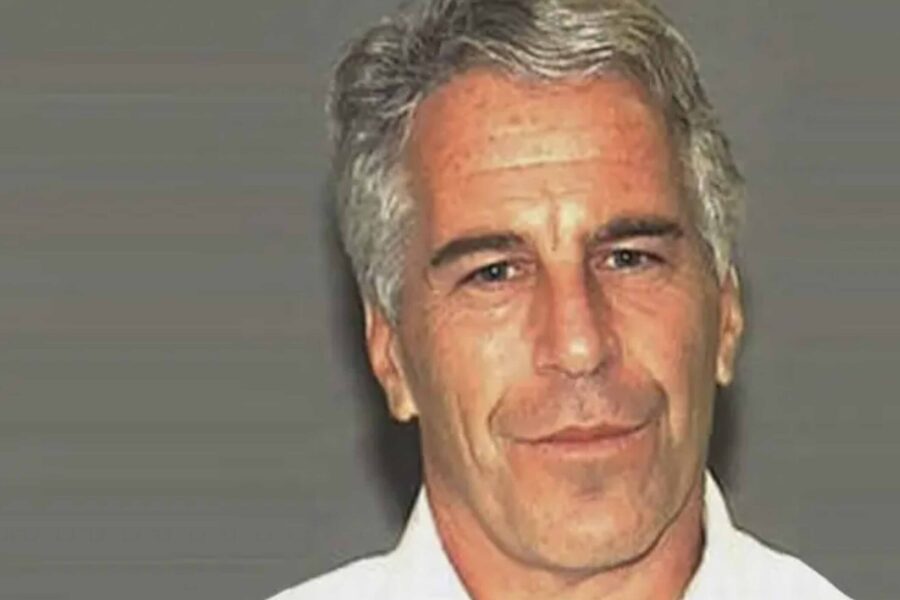
As political campaigns begin to heat up in the U.S. Virgin Islands, one prominent Democratic figure is drawing renewed attention over past associations with the late financier Jeffrey Epstein. Stacey Plaskett, the territory’s delegate to Congress, has announced exploratory steps toward a potential run for governor. However, her previous interactions with Epstein, along with campaign donations linked to him, have raised questions from both political observers and constituents about the propriety and optics of such connections.
Plaskett has represented the Virgin Islands in the U.S. House of Representatives since 2015, gaining recognition as a steadfast advocate for her constituents and a rising figure within the Democratic Party. As the only voting delegate from the U.S. territories, her role in Congress has included serving on key committees and participating in high-profile oversight hearings. It is this national visibility that has made her past contacts with Epstein a topic of renewed scrutiny.
According to publicly available records and reporting from reputable outlets, Plaskett had limited professional interactions with Epstein dating back to the early 2010s. Notably, Epstein made campaign contributions to Plaskett’s congressional bid. Financial disclosure records indicate that the total donations were modest, and Plaskett has publicly stated that once these contributions drew attention, she redirected the funds to charitable causes. These donations were made well before Epstein’s criminal activities were widely publicized, although questions persist about the timing and circumstances surrounding them.
Beyond campaign donations, Plaskett’s communications with Epstein have come under examination. Text messages sent to her during a 2019 congressional hearing were later revealed as part of the release of Epstein-related files. Plaskett’s office confirmed the authenticity of these messages, emphasizing that they were part of a broader influx of communications from members of the public and supporters during her official duties. While some critics interpreted the messages as ethically concerning, no formal investigation found evidence of wrongdoing, and the interactions were not linked to criminal activity.
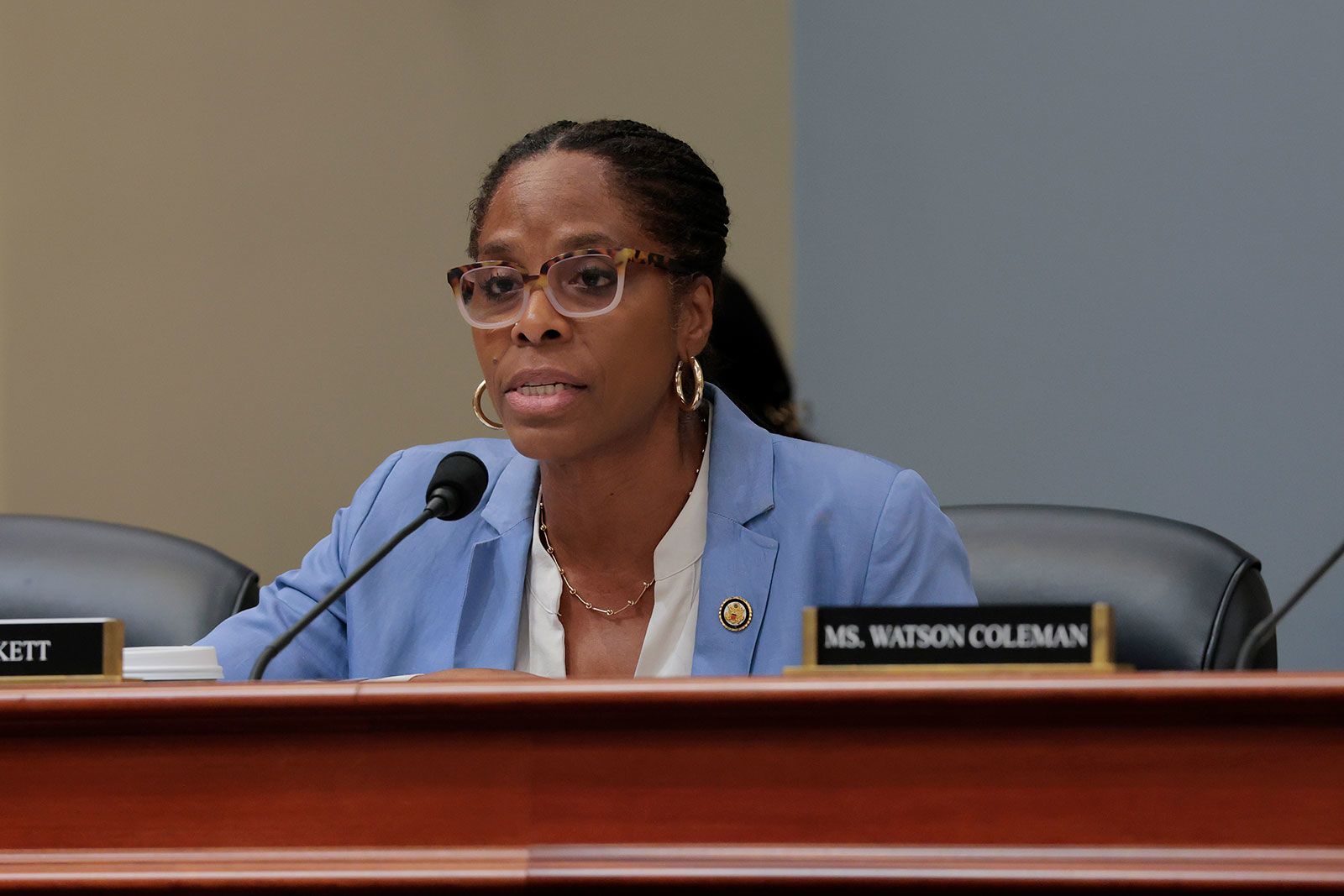
The scrutiny surrounding Plaskett intensified in the context of her potential gubernatorial bid. Political analysts note that running for a high-profile executive office inherently increases media and public attention, which magnifies past associations. For Plaskett, any prior contact with Epstein—however limited—becomes a potential point of attack for political opponents or a focus for journalists seeking transparency about campaign financing and ethics.
Observers also highlight that Plaskett’s case reflects a broader dilemma faced by public officials: the tension between past professional networks and present accountability. In Plaskett’s situation, interactions with Epstein were primarily in the context of campaign support or introductions facilitated by mutual acquaintances. Nevertheless, the persistent national focus on Epstein’s criminal history and the victims of his abuses amplifies any perceived association, even if the contacts were limited and innocuous at the time.
Plaskett has sought to address these concerns proactively. She has provided detailed disclosures about past contributions and communications, and her campaign has emphasized her commitment to ethical standards. In a 2023 deposition, Plaskett noted that an introduction to Epstein in 2014 was made by a mutual associate in the context of exploring potential political support. She clarified that Epstein’s support included campaign contributions, but that she had no involvement in or knowledge of his criminal activities.
The renewed attention comes amid broader scrutiny of political figures who previously interacted with Epstein. Following the release of court filings and investigative reporting, several prominent individuals have faced questions about their past associations with him. In many cases, these inquiries are focused on transparency and public perception rather than allegations of criminal wrongdoing. Analysts emphasize that in the context of a gubernatorial campaign, voters are likely to weigh both the facts of such interactions and the candidate’s present conduct and accountability.
Ethical experts note that public figures often confront complex dilemmas when prior associations come to light. Even if no legal or criminal violation occurred, optics matter in electoral politics. Voters and opponents alike tend to scrutinize financial contributions, social interactions, and professional ties that intersect with controversial figures. In Plaskett’s case, her careful documentation of past communications and campaign finance actions serves as a safeguard against accusations of impropriety. However, the shadow of Epstein’s notoriety means that the issue is likely to remain a topic of discussion throughout the campaign.
The impact on the gubernatorial race could be significant. While Plaskett remains a well-known and influential figure in local politics, any perceived misstep or lapse in judgment could provide leverage to political opponents or energize media narratives. Analysts note that in high-stakes elections, even limited historical associations can dominate the news cycle, sometimes overshadowing policy proposals or campaign platforms. For Plaskett, navigating these challenges requires a combination of transparency, clear messaging, and engagement with constituents to maintain trust.
At the same time, supporters argue that the focus on Epstein-related connections should be contextualized appropriately. They point out that Plaskett’s interactions with Epstein were limited, professional in nature, and occurred before the public was widely aware of his criminal activities. From this perspective, the ongoing scrutiny reflects the heightened media environment and the heightened political stakes of a gubernatorial race rather than substantive ethical concerns.
The story of Plaskett’s past interactions also illustrates the broader complexities of campaign finance and political networking. Many public officials rely on introductions, endorsements, or small contributions from supporters and associates. While most of these interactions are routine, a small number—particularly those connected to high-profile scandals—can become politically salient. Campaign teams often respond by auditing past contributions, redirecting funds to neutral entities, and issuing detailed public disclosures to preempt criticism. Plaskett has followed these steps, emphasizing accountability and transparency in her communications with the electorate.
Political commentators suggest that the manner in which Plaskett addresses the scrutiny will be crucial to her electoral prospects. Public statements, detailed disclosures, and consistent ethical conduct can help neutralize political attacks while reinforcing her credibility. Conversely, missteps or vague explanations could amplify skepticism among voters and media outlets. As the campaign develops, Plaskett’s engagement on this issue will likely remain a focal point in debates, news coverage, and campaign messaging.
Plaskett’s situation is not unique. Across the United States, several political figures have faced questions about past interactions with controversial individuals, particularly as more documents, emails, and financial records become publicly accessible. Experts emphasize that the difference between reputational damage and legal jeopardy often hinges on transparency and proactive disclosure. In this context, Plaskett’s approach demonstrates an awareness of the potential implications and a willingness to confront questions head-on.
Looking ahead, the gubernatorial race in the U.S. Virgin Islands promises to be closely watched. Plaskett’s visibility in national politics, combined with her status as a delegate in Congress, positions her as a leading contender. However, the ongoing public interest in Epstein-related associations underscores the unique challenges that high-profile candidates face when historical controversies intersect with electoral ambitions.
Ultimately, Plaskett’s ability to navigate these questions will depend on clear communication, transparency, and engagement with voters. While past interactions with Epstein have become a topic of scrutiny, they do not constitute evidence of wrongdoing. Instead, the focus for voters and observers will likely center on how Plaskett addresses ethical considerations, demonstrates accountability, and maintains public trust as she seeks higher office.
As the campaign unfolds, political analysts will continue to monitor both the substance of her policy proposals and the optics of her past associations. The story illustrates a recurring dynamic in modern politics: how historical connections with controversial figures can shape perceptions, even years after the fact, and how transparency and ethical clarity are critical in sustaining public confidence.
In the coming months, constituents of the U.S. Virgin Islands will weigh both Plaskett’s record of public service and the context of her past associations as they consider her candidacy. While questions about Epstein-related interactions will remain part of the discourse, the broader electoral contest will also hinge on policy positions, governance experience, and the ability to connect with voters.
For now, Plaskett remains a prominent figure under close scrutiny. How she responds to these questions and frames her narrative will likely influence both her political trajectory and the broader conversation about accountability, ethics, and public service in the U.S. Virgin Islands.

Emily Johnson is a critically acclaimed essayist and novelist known for her thought-provoking works centered on feminism, women’s rights, and modern relationships. Born and raised in Portland, Oregon, Emily grew up with a deep love of books, often spending her afternoons at her local library. She went on to study literature and gender studies at UCLA, where she became deeply involved in activism and began publishing essays in campus journals. Her debut essay collection, Voices Unbound, struck a chord with readers nationwide for its fearless exploration of gender dynamics, identity, and the challenges faced by women in contemporary society. Emily later transitioned into fiction, writing novels that balance compelling storytelling with social commentary. Her protagonists are often strong, multidimensional women navigating love, ambition, and the struggles of everyday life, making her a favorite among readers who crave authentic, relatable narratives. Critics praise her ability to merge personal intimacy with universal themes. Off the page, Emily is an advocate for women in publishing, leading workshops that encourage young female writers to embrace their voices. She lives in Seattle with her partner and two rescue cats, where she continues to write, teach, and inspire a new generation of storytellers.