




The college football community is rallying this week around one of its most revered figures after reports surfaced that a Hall of Fame coach and longtime sports analyst has entered hospice care. The news has cast a somber shadow over fans, former players, and colleagues alike, as the sport prepares to honor a career that spanned decades and left a lasting impact on multiple generations of athletes.
Sources close to the family confirmed the news, following initial reporting by a major sports network, emphasizing that while the coach’s condition has declined, his legacy remains firmly intact. Tributes have already begun pouring in across social media, reflecting the profound influence this individual has had on American football — not only as a strategist but as a mentor and role model to countless young athletes.
Over the years, this coach became widely recognized for transforming struggling programs into competitive powerhouses, a feat that earned him acclaim from peers, sports journalists, and fans alike. His career, spanning more than three decades, included leadership roles at multiple universities, where he consistently emphasized discipline, teamwork, and integrity, principles that shaped the character of the teams he led.
In addition to his collegiate accomplishments, the coach briefly ventured into professional football in the mid-1970s, serving as head coach for a prominent NFL team. Although his tenure in the professional ranks was short-lived, his impact at the collegiate level remained far-reaching. Fans remember him for turning programs with limited resources into national contenders, demonstrating that strategic vision and leadership could overcome obstacles both on and off the field.
After a brief hiatus from coaching, he returned to lead another major college program for a five-year period, concluding a storied career on a high note. Even in retirement, he remained a prominent figure in the sport, attending major games, participating in charitable events, and sharing his insights as a television analyst for over a decade. His commentary was often noted for its wit, accessibility, and deep understanding of the game, bringing football closer to fans who might not have otherwise followed the sport.
It is in this context that the community has learned that the 89-year-old coach has entered hospice care. The announcement has prompted an outpouring of reflections on his achievements, with former players recalling the life lessons they received under his guidance. The emotional response highlights how his influence extended far beyond the X’s and O’s of football strategy, touching the personal and professional development of the athletes he mentored.
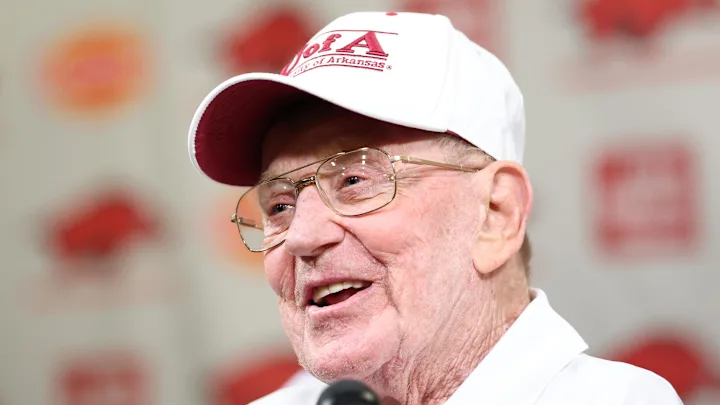
The coach in question is none other than Lou Holtz, whose name has become synonymous with collegiate football excellence. Holtz is most celebrated for his eleven-season tenure at the University of Notre Dame, where he led the Fighting Irish to a perfect 12-0 season and a national championship in 1988. His leadership and tactical prowess on the field made him one of the most respected figures in the sport, and his teams consistently reflected his philosophy of discipline, hard work, and resilience.
Holtz’s career includes 33 years of coaching across multiple programs, amassing a total of 249 victories. His stops included Arkansas, South Carolina, NC State, William & Mary, and Minnesota, as well as the aforementioned brief stint with the New York Jets in 1976. Regardless of the level of play, Holtz was known for turning struggling teams into contenders, instilling a culture of accountability and dedication that inspired players and staff alike.
Following his time at Notre Dame, Holtz returned to the sidelines at South Carolina from 1999 to 2004, providing a fitting capstone to his collegiate coaching career. Throughout these years, his passion for the sport never waned; even in his later years, he remained a fixture at major college football events, offering commentary and analysis that demonstrated both his deep knowledge of the game and his enduring enthusiasm.
Holtz’s influence extended beyond wins and losses. His tenure as a television analyst for ESPN from 2004 to 2015 introduced him to a broader audience, allowing him to communicate the nuances of college football to millions of viewers. His sharp wit and insightful commentary helped shape public understanding of the sport, bridging the gap between seasoned fans and casual viewers.
The significance of Holtz’s contributions to football was formally recognized with his induction into the College Football Hall of Fame in 2008. Beyond this honor, his public service and impact on American society were acknowledged in 2020, when he received the Presidential Medal of Freedom, the nation’s highest civilian award, from President Donald Trump. Trump cited recommendations from coaches across the country, highlighting Holtz’s work in charity and his broader influence beyond the football field.
As news of Holtz’s hospice care spread, the reaction from the South Bend community — home to Notre Dame — was immediate and heartfelt. Fans who had grown up watching his teams dominate the field expressed deep nostalgia, recalling his iconic sideline intensity, motivational speeches, and the unique way he connected with both players and spectators. Social media platforms quickly became a forum for sharing memories, photos, and stories about the coach, demonstrating the lasting bond he cultivated with generations of football enthusiasts.
Former players and colleagues have also paid tribute, emphasizing Holtz’s mentorship and leadership qualities. Many credit him with teaching lessons that extended beyond football, including the importance of integrity, perseverance, and teamwork. These personal accounts reinforce the notion that his legacy is defined not only by his on-field achievements but also by the profound influence he had on the lives of those around him.
The timing of this announcement coincides with the broader college football season, a period when fans and media reflect on the sport’s history and celebrate its enduring figures. Holtz’s entry into hospice care has sparked conversations about the evolution of the game, the role of leadership in shaping programs, and the responsibility of coaches to guide young athletes both on and off the field.
For many, Holtz represents the ideal of a coach who transcended the X’s and O’s, embodying values that resonate long after the final whistle. His disciplined approach, strategic acumen, and ability to inspire players and fans alike set him apart as one of the most influential figures in the history of college football.
Looking back, Holtz’s career trajectory illustrates the breadth and depth of his impact. From his early days at smaller programs to his national championship at Notre Dame, and his later contributions as a broadcaster, Holtz remained dedicated to the sport he loved. His ability to adapt to different programs, work with diverse teams, and communicate effectively with audiences reflects a rare combination of leadership, charisma, and strategic insight.
While the news of his hospice care is undeniably difficult for the college football community, it also serves as a moment to celebrate a life dedicated to excellence, mentorship, and the pursuit of athletic achievement. Holtz’s contributions will continue to be remembered, studied, and honored by fans, players, and coaches for years to come.
In reflecting on his legacy, it is clear that Lou Holtz’s impact goes beyond wins, championships, and accolades. He leaves behind a model of leadership, resilience, and commitment that has shaped the culture of college football and enriched the lives of those who have crossed his path. His name will forever be synonymous with integrity, dedication, and passion for the game.
As supporters and admirers offer their well-wishes, share memories, and honor his life, the story of Lou Holtz serves as a reminder of the profound influence one individual can have on a sport, a community, and a nation. While his presence on the sidelines may no longer be visible, his lessons, achievements, and spirit will endure, continuing to inspire players, fans, and coaches for generations to come.

Emily Johnson is a critically acclaimed essayist and novelist known for her thought-provoking works centered on feminism, women’s rights, and modern relationships. Born and raised in Portland, Oregon, Emily grew up with a deep love of books, often spending her afternoons at her local library. She went on to study literature and gender studies at UCLA, where she became deeply involved in activism and began publishing essays in campus journals. Her debut essay collection, Voices Unbound, struck a chord with readers nationwide for its fearless exploration of gender dynamics, identity, and the challenges faced by women in contemporary society. Emily later transitioned into fiction, writing novels that balance compelling storytelling with social commentary. Her protagonists are often strong, multidimensional women navigating love, ambition, and the struggles of everyday life, making her a favorite among readers who crave authentic, relatable narratives. Critics praise her ability to merge personal intimacy with universal themes. Off the page, Emily is an advocate for women in publishing, leading workshops that encourage young female writers to embrace their voices. She lives in Seattle with her partner and two rescue cats, where she continues to write, teach, and inspire a new generation of storytellers.