
A towering presence in global cultural history has died at the age of 91, her passing announced today by the organization she helped build. For more than seven decades, the world watched her transform from a young performer into one of the most recognizable figures in the arts — and later into a voice for causes far removed from the spotlight of film and fashion.
Her death marks the end of an extraordinary arc that began in post-war Europe and went on to touch the worlds of cinema, style, social change, and activism. Those who knew her work say she embodied a spirit of freedom and reinvention; critics and supporters alike acknowledge the breadth of her impact.
Early Beginnings: From Dance Studios to Center Stage
Born in the mid-1930s in the heart of France, she was introduced to the disciplined world of ballet at a very young age. Classical training refined her physical presence and artistic instincts, even if her deeper career path would ultimately veer away from dance itself. Trained to move with grace and precision, she developed a foundation that later informed her screen presence, body language, and public persona. This early immersion in performance set the stage for what was to come.
By her early teens, she had also begun to attract attention beyond the ballet studio. A chance opportunity in modeling soon followed, and before long her face began appearing in magazines across France. At the tender age of 15 she graced the cover of a major fashion publication, an early sign that she was destined for visibility on a much larger scale.
Modeling opened doors that dancing alone could not. It brought her into contact with filmmakers and photographers who were captivated by her unique look — one that blended natural beauty with a daring presence, a mixture of innocence and allure that was rare at the time.
Brigitte Bardot: The Name That Defined an Era
It was during this career transition that she first caught the eye of the film industry. In the mid-1950s, audiences were introduced to her in a landmark motion picture that broke conventions and sent ripples through international culture. The film — directed by her then-husband — was explosive in its candid exploration of desire and autonomy at a time when global cinema was still heavily constrained by tradition. Its success helped elevate her into the public consciousness and marked the beginning of a meteoric rise.
Her name — Brigitte Bardot — quickly became synonymous with a new kind of feminine expression. Never before had cinema audiences seen a screen presence that radiated such raw magnetism and unapologetic allure. She became an international sensation, embraced equally in Europe and the United States, where her films played to packed houses and critical attention alike.
Over the next two decades, she appeared in nearly fifty films. Her roles varied in tone and style, but she was most commonly remembered for portraying characters that embodied the era’s shifting social attitudes — women who were playful, defiant, and unapologetically themselves. Her performances helped define the spirit of the 1960s and made her one of the best-known actresses of the 20th century.
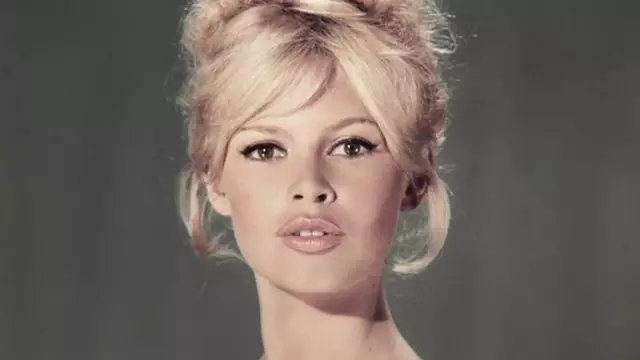
A Symbol of Liberation — and Controversy
Her breakthrough work didn’t just make her a cinematic star; it helped shape the conversation around gender, sexuality, and personal freedom. At a time when cultural norms were rigid, her on-screen presence seemed to usher in a new chapter in how women were portrayed in popular media. Film historians later credited her with helping to usher in an era of sexual liberation through mainstream entertainment.
But with fame came intense public scrutiny. Paparazzi followed her relentlessly, often invading her private life in search of ever-more sensational images. This constant attention took a toll, and at moments she confessed to feeling overwhelmed by the glare of celebrity.
Despite the difficulties that came with fame, she continued to make films that were both commercially successful and culturally significant. Some of her most acclaimed work came under the direction of pioneering filmmakers of the French New Wave — auteurs who were reshaping cinema itself. Her performances in these films demonstrated a depth and range that critics increasingly admired.
Yet she was never content to remain defined solely by her image on the screen. The world she entered through film was vast, but the life she chose afterward would surprise many.
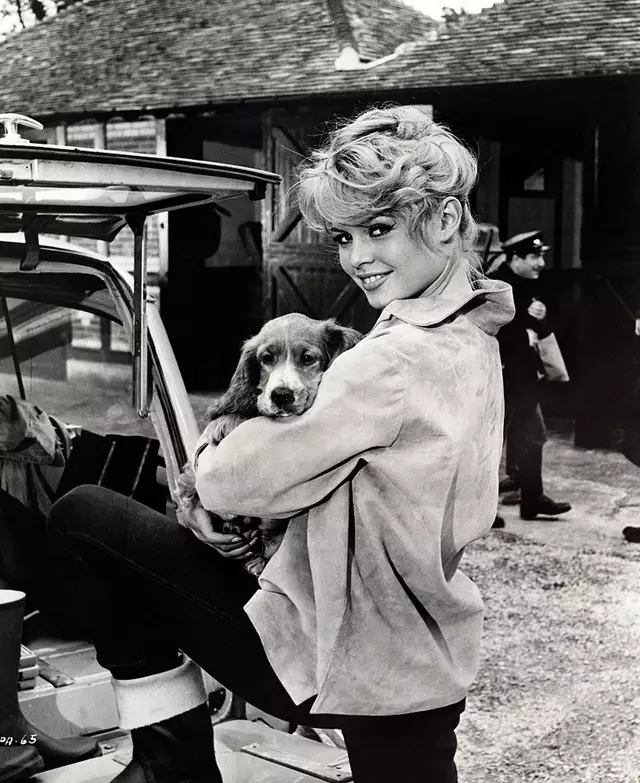
Walking Away from Stardom
At the age of 39, and after nearly two decades in front of the camera, she stunned the world by announcing her retirement from acting. At a point when most stars cling to the spotlight, she walked away from it.
Her decision was not driven by fading popularity — on the contrary, she remained one of the most famous women on the planet. But she saw in herself a calling that reached beyond cinema. She wanted to confront issues that she felt deeply about, ones that had little to do with glamour and everything to do with compassion.
In 1973, she effectively closed the chapter on her Hollywood-level career. In doing so, she relinquished an enormous platform, one that few others would give up voluntarily. But her next act would prove equally impactful, though in a different sphere.
A Passion for Protection
After walking away from acting, she devoted herself to the cause of animal welfare — a mission that would occupy the rest of her life. The world was just beginning to grapple with the ethics of how humans treat non-human animals, and she became one of its most visible advocates.
Her activism was not superficial. In the 1970s she embarked on high-profile campaigns, including trips to the Arctic to protest the slaughter of baby seals — scenes that drew international media attention and helped elevate public awareness of animal rights issues. Her early advocacy work contributed to significant policy shifts, such as the European ban on the import of whitecoat seal fur.
In 1986 she formalized her commitment by establishing a foundation dedicated to animal protection. She invested her own fame, energy, and resources into the organization, which took on issues ranging from the treatment of farm animals to opposition against trophy hunting and harmful transport practices. Sanctuaries were established, legal campaigns were launched, and for decades her foundation served as a respected voice in animal welfare circles.
This pivot from actress to activist was unusual, especially for someone whose identity had been so strongly linked to film and fashion. Yet it was clear that her sense of purpose had evolved — from seducing audiences in theaters to attempting to save the voiceless in the natural world.
A Polarizing Later Life
Her work on behalf of animals won her admiration across the globe, and her foundation remained a vital institution in its field. Leaders of animal welfare organizations praised her unwavering dedication, noting that few personalities of her stature had ever leveraged celebrity for such causes with the depth and intensity she did.
At the same time, her public statements on other social and political issues sparked controversy. In later years, she made remarks about topics such as immigration and religious practices that drew heavy criticism and legal consequences. French courts fined her on several occasions for comments deemed to incite racial hatred. These episodes complicated her legacy, making her a figure not just of admiration but of debate.
Her outspokenness was a reminder that one’s contributions — no matter how significant — can coexist with contentious viewpoints. For many, this duality was unsettling; for others, it underscored her unwillingness to conform.
Tributes and Mourning
News of her death today prompted an outpouring of tributes from around the world. French President Emmanuel Macron described her life as one of “freedom” and “universal brilliance,” noting how she had moved audiences for generations. Town officials in southern France — the region where she spent her final years — honored her as a local icon whose presence helped put their community on the cultural map.
Animal protection groups issued statements remembering her as an inspiring advocate whose work saved countless lives. Even critics acknowledged that her dedication to animal welfare marked her later years with a seriousness and purpose that transcended her earlier celebrity.
Across social media and news outlets, reflections on her life highlighted a remarkable arc: a small-town girl turned global star, who then reinvented herself into one of the most recognized activists of her era. The complexity of her life — artistic brilliance, social controversy, personal triumphs, and public struggles — made her story compelling to millions.
Personal Life and Final Years
Her personal life was as passionate and eventful as her professional one. She married several times and had meaningful relationships that were often covered intensively by the press. She also had one child, and in interviews later in life she spoke candidly about the difficulties she faced in balancing family with overwhelming fame.
In recent months she had been reported to be in ill health and had undergone a surgical procedure, though details were sparse prior to today’s confirmation of her death. Friends and colleagues say she spent her final years quietly at home in southern France, surrounded by memories of her career and the animals she worked to protect.
A Legacy That Endures
As tributes continue to pour in, historians and cultural commentators are already at work assessing the total impact of her life. Few personalities have so distinctly shaped both artistic expression and public understanding of ethical issues. Her films remain studied in cinema schools; her foundation’s ongoing work continues to influence animal welfare policy and activism.
Her death marks the end of one of the 20th century’s most iconic stories — a narrative of creativity, courage, controversy, and compassion.
Today, the world bids farewell to a figure whose name will long be remembered not just for the roles she played on screen, but for the causes she championed in life.

Emily Johnson is a critically acclaimed essayist and novelist known for her thought-provoking works centered on feminism, women’s rights, and modern relationships. Born and raised in Portland, Oregon, Emily grew up with a deep love of books, often spending her afternoons at her local library. She went on to study literature and gender studies at UCLA, where she became deeply involved in activism and began publishing essays in campus journals. Her debut essay collection, Voices Unbound, struck a chord with readers nationwide for its fearless exploration of gender dynamics, identity, and the challenges faced by women in contemporary society. Emily later transitioned into fiction, writing novels that balance compelling storytelling with social commentary. Her protagonists are often strong, multidimensional women navigating love, ambition, and the struggles of everyday life, making her a favorite among readers who crave authentic, relatable narratives. Critics praise her ability to merge personal intimacy with universal themes. Off the page, Emily is an advocate for women in publishing, leading workshops that encourage young female writers to embrace their voices. She lives in Seattle with her partner and two rescue cats, where she continues to write, teach, and inspire a new generation of storytellers.