



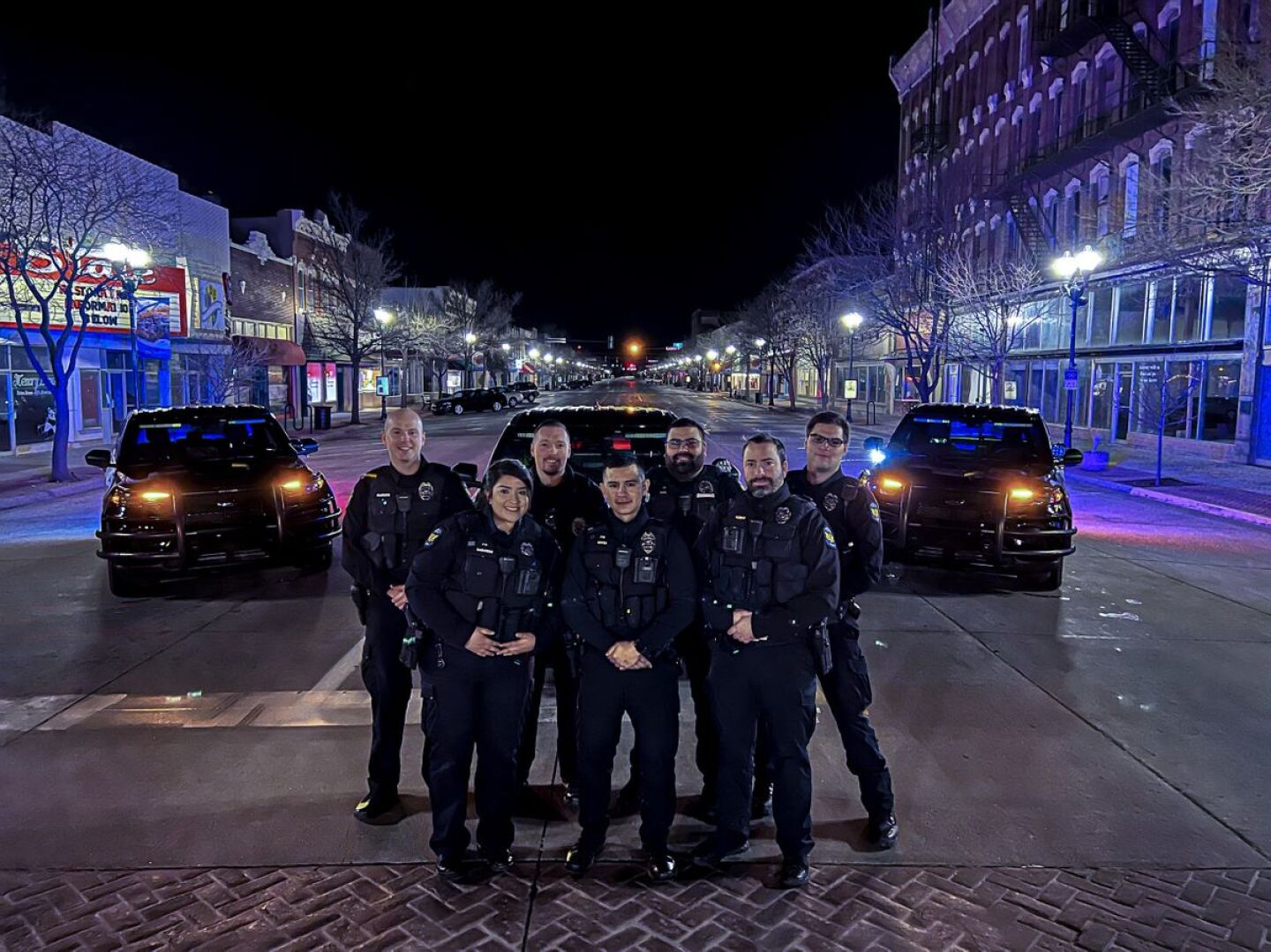
For much of the past several years, conversations about public safety in the United States have been dominated by anxiety, political tension, and high-profile incidents that shaped public perception. Many Americans—particularly older citizens who remember earlier crime waves—have grown accustomed to hearing that violence is spiraling out of control.
But newly compiled national data from hundreds of law enforcement agencies tells a markedly different story about what has actually been happening across the country in 2025.
Behind the headlines and political rhetoric, the numbers themselves reveal a dramatic and unexpected shift—one that is drawing attention from analysts, policymakers, and law enforcement officials alike.
A Nationwide Snapshot Based on Real-Time Reporting
The most comprehensive picture comes from the Real-Time Crime Index (RTIC), a nationwide database that aggregates crime data from 570 law enforcement agencies across the United States. Unlike traditional annual reports that can lag by a year or more, RTIC tracks crime trends as they are reported, offering a near–real-time look at what is happening on the ground.
According to RTIC figures covering crimes reported through October 2025, the United States is experiencing one of the most significant reductions in serious crime seen in modern history.
The data set includes reports from large metropolitan police departments, suburban jurisdictions, and smaller agencies—making it one of the broadest snapshots of national crime trends available.
A Steep Decline Emerges in the Most Serious Category
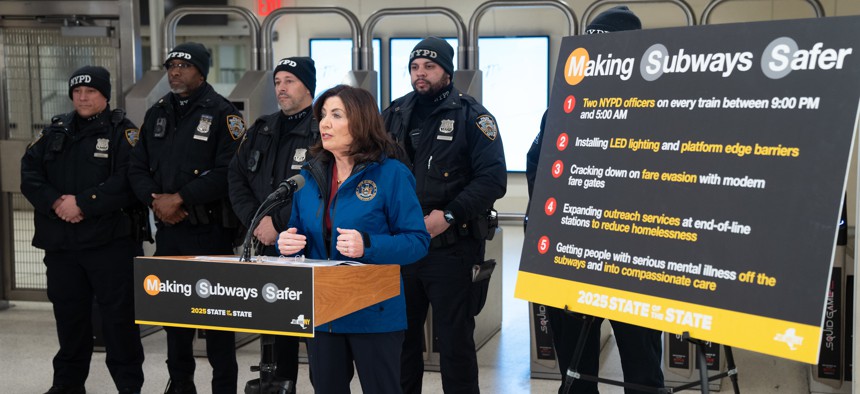
As analysts reviewed the year-to-date figures, one category stood out immediately for the sheer scale of change.
Murders nationwide declined 19.8 percent compared with the same period last year. Through October, the total number of reported homicides fell from 7,369 in 2024 to 5,912 in 2025—a reduction of 1,457 lives.
Crime data analyst Jeff Asher, who closely tracks national trends and publishes independent analysis through his newsletter Jeff-alytics, described the trajectory in stark terms.
He noted that the country is on pace for the largest single-year drop in murders ever recorded in modern U.S. crime statistics, assuming current trends hold through the end of the year.
The magnitude of the decline has surprised even longtime observers who expected crime to stabilize, not fall at such a rapid rate.
Violence Beyond Homicide Shows Broad Improvement
The shift is not limited to one category. RTIC data shows that violent crime overall declined by 10.2 percent nationwide during the same period.
Breaking it down further:
-
Robbery fell by 18.3 percent
-
Aggravated assault declined 7.5 percent
-
Rape decreased 8.7 percent
These reductions suggest a broad-based change rather than a statistical anomaly driven by one city or one type of offense.
Property crimes also moved sharply downward, a trend that affects everyday quality of life for millions of Americans.
Property Crime Drops Across the Board

According to RTIC:
-
Property crime fell 12.3 percent
-
Motor vehicle theft dropped 23.2 percent
-
Burglaries declined 14.8 percent
-
Theft decreased 8.9 percent
For many communities, car theft and burglary had become persistent concerns in recent years. The sharp decline in those categories has been particularly noticeable in cities that experienced spikes earlier in the decade.
When viewed over a longer timeframe, the changes appear even more striking.
Compared with 2023, murders are now down by more than 30 percent, motor vehicle theft has dropped 37.1 percent, and robberies have declined 24 percent nationwide.
Major Cities Show Measurable Shifts
Large metropolitan areas—often cited as bellwethers for national crime trends—have also recorded significant improvements in 2025.

-
Chicago recorded a 27.7 percent decline in murders after leading the nation in total homicides the year before
-
Washington, D.C. saw a 27.8 percent reduction
-
New York City reported a 17.6 percent drop
-
Los Angeles County experienced an 18.8 percent decrease
-
Memphis saw nearly a 20 percent reduction
Other cities—including Detroit, Philadelphia, Houston, and New Orleans—also posted double-digit declines.
Analysts caution that Chicago still has one of the highest murder rates among major cities, despite the improvement, but the year-over-year trend remains notable.
Officials Respond as Data Gains Attention
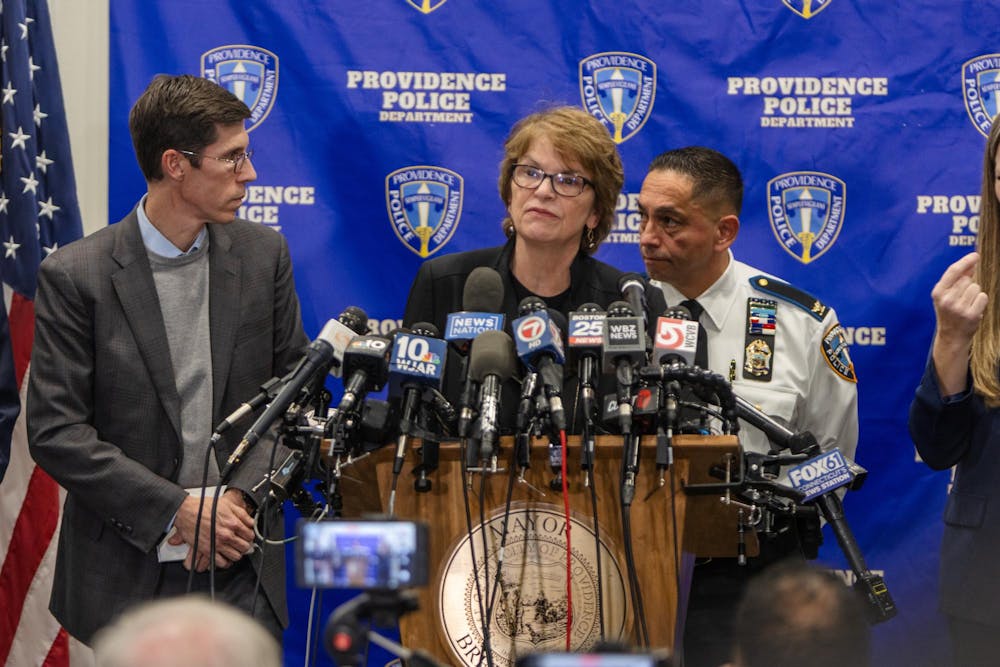
As the numbers circulated publicly in late December, senior officials responded by pointing to policy changes and enforcement strategies implemented earlier in the year.
FBI Director Kash Patel commented publicly that the downward trend was not accidental, crediting renewed support for law enforcement and coordination with local agencies.
Officials at the Department of Homeland Security echoed similar views, suggesting that targeted enforcement actions and removals of violent offenders played a role in the broader trend.
Dan Bongino, Deputy Director of the FBI, emphasized results over rhetoric, stating that crime reduction required sustained execution rather than political messaging.
Federal Strategy Focused on Enforcement and Coordination
Since early 2025, federal authorities have prioritized a series of law-and-order initiatives designed to reinforce local policing efforts rather than replace them.
One of the most visible measures involved deploying National Guard units to assist local law enforcement in jurisdictions experiencing elevated violence. These deployments were intended to free up local police resources, support patrol operations, and stabilize high-risk areas.
Another pillar of the strategy focused on immigration enforcement, particularly the removal of individuals identified as violent offenders or linked to organized criminal networks.
Federal agencies also expanded efforts to disrupt transnational gangs and extremist organizations operating across state and national borders.
Targeting Organized Crime and Extremist Groups


In early 2025, authorities designated the Venezuelan criminal organization Tren de Aragua as a Foreign Terrorist Organization, citing its involvement in human trafficking, drug smuggling, and violent crime.
Later in the year, Antifa was designated a domestic terrorist organization, with federal officials describing it as an anarchist network that uses violence and intimidation to undermine public order.
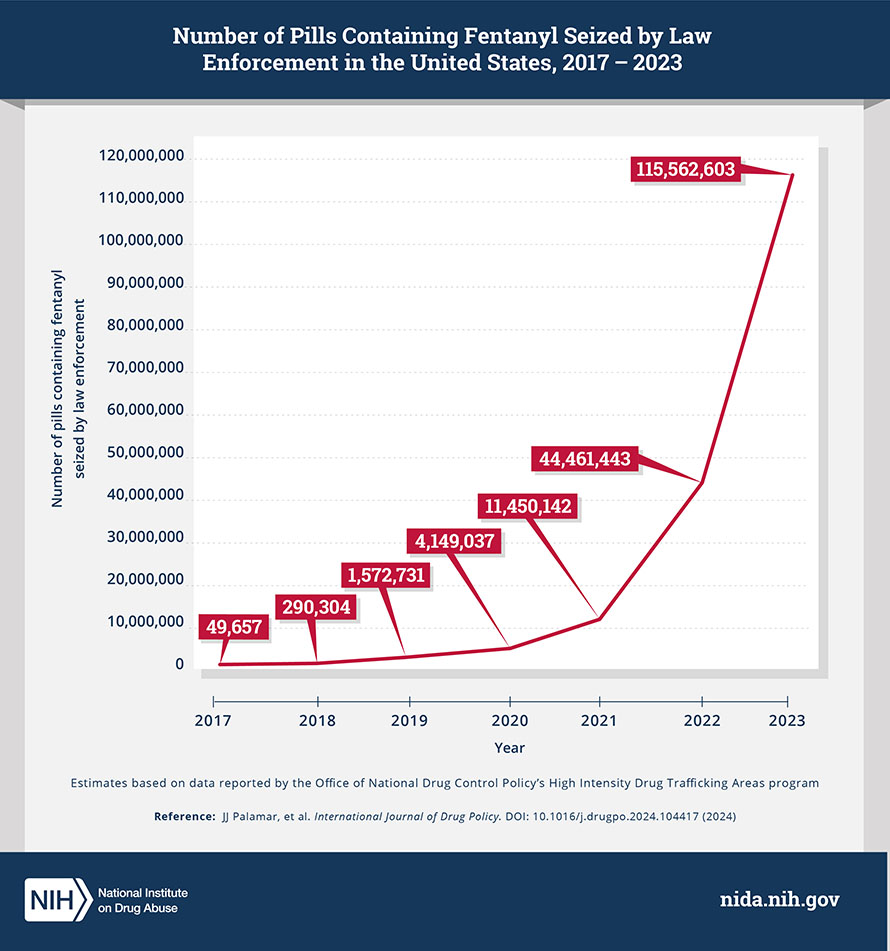
Law enforcement agencies also intensified operations targeting drug trafficking. According to official statements, the U.S. Coast Guard seized more than three times its typical annual volume of cocaine during fiscal year 2025—a figure that reflects broader interdiction efforts across multiple agencies.
A Note on Data and What Comes Next
RTIC officials emphasize that the data remains preliminary and may be updated as agencies submit revised reports. The current figures reflect crimes reported through October 2025, meaning final year-end totals could shift slightly.
Still, analysts agree that the overall direction is clear.
Even with adjustments, the scale of decline across multiple crime categories suggests a genuine nationwide shift rather than a temporary fluctuation.
As the year closes, policymakers and researchers will continue examining which measures had the greatest impact—and whether the momentum can be sustained into 2026.

Emily Johnson is a critically acclaimed essayist and novelist known for her thought-provoking works centered on feminism, women’s rights, and modern relationships. Born and raised in Portland, Oregon, Emily grew up with a deep love of books, often spending her afternoons at her local library. She went on to study literature and gender studies at UCLA, where she became deeply involved in activism and began publishing essays in campus journals. Her debut essay collection, Voices Unbound, struck a chord with readers nationwide for its fearless exploration of gender dynamics, identity, and the challenges faced by women in contemporary society. Emily later transitioned into fiction, writing novels that balance compelling storytelling with social commentary. Her protagonists are often strong, multidimensional women navigating love, ambition, and the struggles of everyday life, making her a favorite among readers who crave authentic, relatable narratives. Critics praise her ability to merge personal intimacy with universal themes. Off the page, Emily is an advocate for women in publishing, leading workshops that encourage young female writers to embrace their voices. She lives in Seattle with her partner and two rescue cats, where she continues to write, teach, and inspire a new generation of storytellers.