A major U.S. food importer and distributor, Chetak New York LLC, has issued an expansive recall of dozens of frozen food products after tests revealed contamination with Salmonella bacteria, a pathogen that can cause severe illness and, in rare cases, death. The recall, involving products sold under the Deep brand, now encompasses 50 items including frozen vegetables, prepared meals, fruits, and flavoring bases. These products were distributed nationwide, reaching major retailers such as Walmart, Target, and Costco, as well as specialty Indian markets.
The recall, initially launched on July 16, was expanded on September 9 and was officially classified by the U.S. Food and Drug Administration (FDA) on December 11 as a Class I recall. This classification indicates the highest level of concern, meaning there is a reasonable probability that the use of or exposure to the contaminated products could result in serious adverse health consequences or death.
Salmonella Outbreak Background
The recall comes in the wake of a multi-state Salmonella outbreak linked to Chetak-distributed foods, which sickened at least 12 people and required hospitalization for four. While there were no reported deaths, health officials warn that the true number of infections may have been higher, as many people recover without medical attention and are never tested for Salmonella.
Salmonella, also known as salmonellosis, is a bacterial infection that primarily affects the intestines. Symptoms can include diarrhea, fever, and abdominal cramps, typically appearing 12 to 72 hours after ingestion. While most individuals recover within several days, some cases require hospitalization, especially if the infection spreads beyond the gastrointestinal tract. Vulnerable populations—including young children, the elderly, and those with weakened immune systems—are at greatest risk for severe complications. In rare cases, Salmonella infections can progress to life-threatening conditions such as meningitis, endocarditis, sepsis, or osteomyelitis.
How Contamination Occurs
Frozen foods can become contaminated with Salmonella at multiple points in the production process. Raw ingredients may already harbor the bacteria, and contamination can spread through equipment, processing surfaces, or wash water in production facilities. Freezing does not kill Salmonella, meaning contaminated products remain hazardous even after storage at low temperatures.
The FDA and the Centers for Disease Control and Prevention (CDC) traced the outbreak to specific Deep-brand products, including frozen sprouted mat (moth) beans, moong (mung) beans, and Surti Undhiu Mix, all of which are no longer available for sale. Health officials emphasized that Salmonella can invade and destroy cells lining the intestines, making it difficult for the body to absorb water, resulting in diarrhea and dehydration.
Products Affected
The expanded recall now includes more than 50 frozen food items, affecting millions of packages distributed across the country. Key items include:
-
Deep-brand Premium Select Surti Undhiu Mix (12 oz.) – Lot codes 24358, 25024, 25036, 25052, 25070, 25092, 25098, 25125, 25134, 25158, 25188
-
Deep-brand Premium Select Baby Bhindi (12 oz.) – Lot codes 24536, 25007, 25035, 25053, 25078, 25081, 25132, 25163, 25193
-
Deep-brand Premium Select Chikoo Slices (12 oz.) – Lot codes 24356, 24358, 24359, 24361, 24363, 24366, 25002, 25043, 25044, 25045, 25046, 25048, 25050, 25051, 25052, 25053, 25055, 25057, 25059, 25060, 25062, 25063, 25064, 25066, 25067, 25068, 25069, 25070, 25071, 25072, 25080, 25081, 25083, 25084, 25097, 25098, 25099, 25100, 25101, 25102, 25104, 25105, 25106, 25114, 25116, 25118
-
Deep-brand Premium Select Guvar (12 oz. and 2 lb.) – Lot codes 24356, 24361, 25001, 25025, 25031, 25036, 25059, 25062, 25066, 25070, 25080, 25091, 25093, 25127, 25135, 25148, 25150, 25154, 25189, 24353, 25010, 25046, 25068, 25093, 25098, 25130, 25173
-
Deep-brand Premium Select Karela Ring Cut (12 oz.) – Lot codes 24366, 25042, 25066, 25100, 25105, 25108, 25136
-
Deep-brand Premium Select Tuvar Lilva (24 oz.) – Lot codes 24359, 24363, 25002, 25007, 25029, 25052, 25069, 25086, 25090, 25095, 25100, 25106, 25107, 25108, 25189
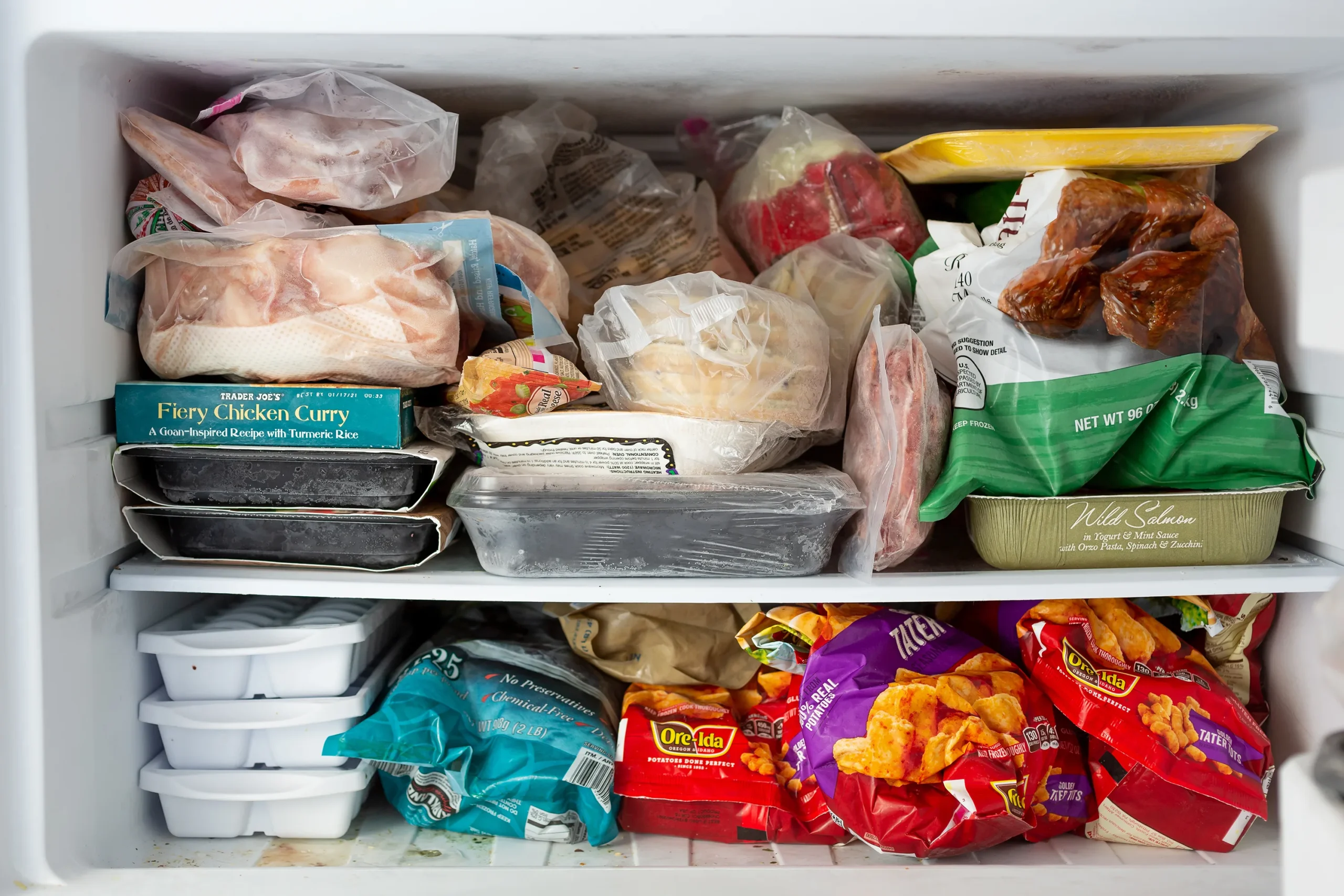
Additionally, a large number of Deep-brand frozen vegetables, ready-to-cook items, and spice mixes are included. Retailers nationwide have been notified, and consumers are urged to check refrigerators and freezers carefully for affected lot numbers.
Health Recommendations
The CDC and FDA advise that consumers should not eat, sell, or serve any recalled products. Items should be either discarded in sealed bags or returned to the place of purchase. Symptoms of Salmonella infection usually appear within one to three days of consumption and may include diarrhea, fever, abdominal cramps, and vomiting.
For those infected, treatment focuses primarily on managing symptoms and preventing dehydration. In severe cases, intravenous antibiotics, fluids, and close medical monitoring may be required. The FDA stresses that the Class I recall indicates a serious risk to public health, and households should remain vigilant.
Nationwide Impact
The recalled products were distributed across 11 states, including Connecticut, Florida, Illinois, Massachusetts, Minnesota, New Jersey, Pennsylvania, Tennessee, Texas, Virginia, and Washington. Due to the widespread distribution of frozen foods and the fact that Salmonella can go undetected in mild cases, public health officials warn that the outbreak may have affected more people than documented.
Millions of bags of frozen food are estimated to be involved in this recall, making it one of the largest and most significant recalls of the year. Retailers have been instructed to remove all affected products from shelves immediately, while consumers are encouraged to double-check product labels and lot codes.
Industry and Consumer Response
Deep-brand products are popular in Indian markets and mainstream retail stores, offering a variety of traditional ingredients and ready-to-cook meals. The company has cooperated with the FDA and public health authorities, providing lot codes and distribution details to minimize risk to consumers.
The recall has sparked concern among food safety experts and consumers, highlighting the importance of hygiene and testing in food production, especially for frozen items that may carry bacteria despite freezing processes. Public health authorities continue to monitor for any additional cases of illness linked to the contaminated products.
The Science of Salmonella
Salmonella is one of the leading causes of foodborne illness in the United States, responsible for over one million infections each year. Of these cases, approximately 26,500 require hospitalization, and around 420 deaths are attributed to the bacteria annually. Infection occurs when contaminated food or water is consumed, and bacteria reach the intestines, causing inflammation and diarrhea.
Freezing does not eliminate Salmonella, which is why contaminated frozen products can pose significant risks if consumed. Proper food handling, thorough cooking, and careful attention to recalls are critical to preventing infection.
Severe Complications
While most cases of salmonellosis resolve without treatment, serious complications can arise if the bacteria spread to the bloodstream or organs. These complications include:
-
Meningitis – Infection of the protective membranes surrounding the brain and spinal cord.
-
Endocarditis – Infection of the heart lining.
-
Osteomyelitis – Infection of the bones.
-
Sepsis – A life-threatening systemic response to infection.
Vulnerable populations, such as young children, elderly adults, and individuals with weakened immune systems, face the highest risk for these complications, and prompt medical care is essential.
What Consumers Should Do
The FDA has provided specific instructions for consumers:
-
Check Freezers: Look for recalled Deep-brand products and compare lot numbers.
-
Do Not Consume: Do not eat, sell, or serve recalled items.
-
Dispose or Return: Safely discard products in sealed bags or return them to the store.
-
Seek Medical Care if Sick: Individuals experiencing symptoms consistent with Salmonella infection should contact a healthcare provider immediately.
Conclusion
The Chetak New York LLC recall underscores the ongoing risk of foodborne illness from frozen and processed products, even those widely available in retail chains. The Class I designation by the FDA emphasizes the potential severity of the threat, and health authorities continue to monitor the situation closely.
Consumers are urged to take immediate action by checking their freezers for recalled Deep-brand products and following proper disposal procedures. Public health officials also advise vigilance in monitoring symptoms of Salmonella infection, particularly among vulnerable populations, and seeking prompt medical attention if illness occurs.
This recall serves as a reminder of the critical importance of food safety, proper handling, and regulatory oversight in preventing widespread contamination. While freezing can preserve food quality, it does not eliminate dangerous bacteria, highlighting the need for rigorous testing, facility hygiene, and consumer awareness.
As authorities continue to investigate and track any additional cases, families and retailers alike are urged to remain informed, follow recall notices carefully, and take all necessary precautions to prevent illness.

Emily Johnson is a critically acclaimed essayist and novelist known for her thought-provoking works centered on feminism, women’s rights, and modern relationships. Born and raised in Portland, Oregon, Emily grew up with a deep love of books, often spending her afternoons at her local library. She went on to study literature and gender studies at UCLA, where she became deeply involved in activism and began publishing essays in campus journals. Her debut essay collection, Voices Unbound, struck a chord with readers nationwide for its fearless exploration of gender dynamics, identity, and the challenges faced by women in contemporary society. Emily later transitioned into fiction, writing novels that balance compelling storytelling with social commentary. Her protagonists are often strong, multidimensional women navigating love, ambition, and the struggles of everyday life, making her a favorite among readers who crave authentic, relatable narratives. Critics praise her ability to merge personal intimacy with universal themes. Off the page, Emily is an advocate for women in publishing, leading workshops that encourage young female writers to embrace their voices. She lives in Seattle with her partner and two rescue cats, where she continues to write, teach, and inspire a new generation of storytellers.