


Chaos erupted on a northeastern U.S. college campus on Saturday evening as reports of an active shooter prompted an immediate lockdown and urgent alerts instructing students to “run, hide, or fight.” Authorities warned of multiple casualties, triggering widespread panic among students, staff, and nearby residents.
The emergency unfolded late in the afternoon when a series of alerts sent to students’ phones described a dangerous situation in progress. The messages instructed students to take cover, silence their devices, and await further instructions from law enforcement. Witnesses described the scene as frantic, with students rushing to barricade doors and seek safe locations across campus buildings.
“Boxes fell over and everything shook. It was like someone had just launched a bomb,” one student recalled, echoing the sentiment of many who were caught unaware by the sudden threat. Others described hiding in bathrooms, stairwells, and closets while monitoring official updates and social media feeds for guidance.
Conflicting Reports Fuel Anxiety
Amid the rapidly evolving situation, confusion arose regarding the status of the suspect and the number of victims. Early reports suggested a suspect may have been taken into custody, though these claims were later retracted by officials. Authorities confirmed that searches were ongoing, emphasizing that the area remained dangerous.
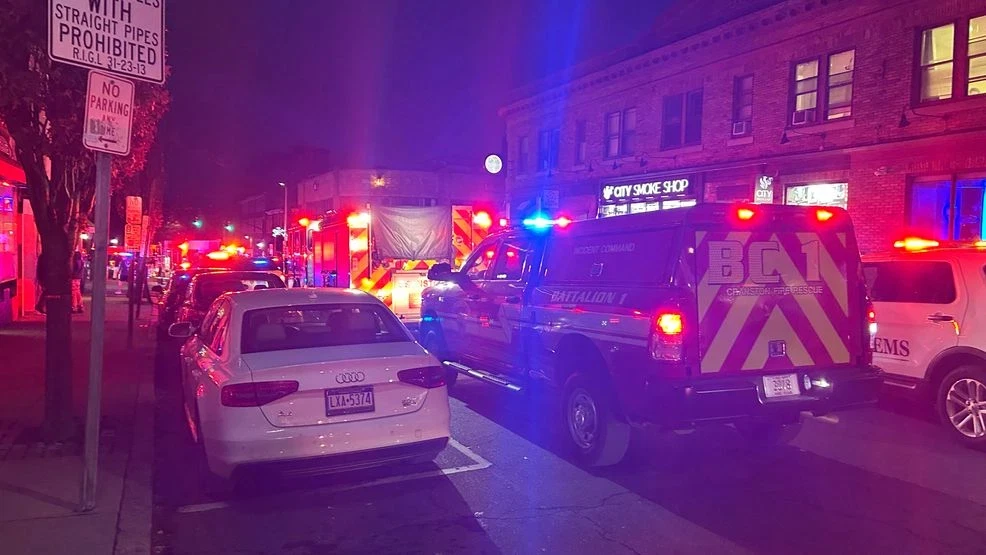
Emergency responders, including police officers and paramedics, quickly descended on the scene. Tactical units, K-9 teams, and SWAT personnel were deployed to secure the perimeter, clear buildings, and locate any injured individuals. Observers noted a significant presence of emergency vehicles, sirens, and flashing lights across the normally quiet campus.
A spokesperson for local law enforcement told reporters that the situation remained active and that details about casualties were not yet available. The uncertainty left families and loved ones anxiously contacting students and monitoring updates for confirmation of their safety.
Students React Under Stress
The timing of the attack amplified its psychological impact, as it occurred during final exam week when many students were already gathered in classrooms, libraries, and study halls. The sudden lockdown interrupted exam preparations and left students fearing for their lives.
“I’ve never been this scared,” one student wrote on social media. “We’re hiding with the lights off and phones on silent. No one knows what’s happening outside.”
Another student described the difficulty of maintaining composure while following lockdown protocols. “You prepare for drills, but nothing prepares you for the real thing,” they said.
Emergency Protocols in Action
Authorities implemented the standard “run, hide, fight” protocol, advising students to escape if possible, secure themselves in a safe area if escape was not feasible, and resist the attacker as a last resort. Faculty and staff worked to maintain calm and ensure students followed safety procedures, but the rapidly changing situation created confusion.
Officials encouraged the campus community to rely on official alerts rather than unverified information circulating on social media. Reunification plans for students and families were being developed to facilitate communication once the threat was neutralized.
Law Enforcement Response
Providence police, state law enforcement, and federal partners coordinated in the response. Officers conducted building-to-building searches, set up perimeters, and worked to ensure no other threats were present. Law enforcement urged anyone with information regarding the suspect or incident to come forward immediately.
Residents in neighborhoods adjacent to the campus were also advised to stay indoors and report suspicious activity. Road closures and traffic diversions were implemented in the immediate area to allow emergency personnel to operate efficiently.
Ivy League Campus Identified
The college at the center of the incident is Brown University, the Ivy League institution located in Providence, Rhode Island. The active shooter alert was concentrated near the Barus and Holley Engineering Building, a central academic hub where students were reportedly taking exams at the time of the attack.
Brown University officials confirmed that the campus had been locked down, with students and staff remaining in place as authorities continued their search for the shooter. Updates from the university emphasized that the situation was ongoing and that safety precautions should remain in effect until further notice.
The university asked community members to refrain from sharing unverified reports and to follow official communications for updates. University police and local authorities collaborated closely to coordinate response efforts and manage the unfolding crisis.
National Context
This shooting marks one of more than 70 school-related shootings in the United States so far this year, according to the Gun Violence Archive. While mass shootings at universities are statistically uncommon, each incident generates heightened concern about campus safety, gun control, and emergency preparedness.
Many campuses, including Brown, conduct routine active shooter drills to educate students on protocols. However, the real-world application of these procedures often introduces heightened stress and uncertainty, as demonstrated in Saturday’s events.
Emotional and Psychological Impact
Students described experiencing fear, confusion, and trauma as the incident unfolded. The disruption of daily routines, combined with the uncertainty surrounding the number of victims and the suspect’s whereabouts, left many shaken. Counseling and mental health support services are expected to be offered to those affected once the immediate threat is resolved.
Parents and families struggled to communicate with students, further compounding anxiety. University officials emphasized that accurate information would be shared as soon as it could be verified.
Emergency Response and Coordination
In addition to local and campus law enforcement, federal agencies were reported to be assisting with the investigation. The rapid mobilization of multiple agencies highlights the seriousness of the response and the need for coordinated efforts in managing such high-risk situations.
Police advised nearby residents to remain vigilant, avoid the campus area, and report any suspicious behavior. The presence of multiple emergency vehicles and officers at the scene underscored the scale of the response.
University Statement
In its official statements, Brown University confirmed that students had been instructed to remain sheltered in place and that the university was actively working with law enforcement to ensure safety. University spokespersons emphasized that updates would continue to be provided as verified information became available.
The university acknowledged the impact on students’ academic schedules, noting that exams and classes would be adjusted as necessary. Authorities are working to implement a reunification process for students and families once the situation is deemed secure.
Broader Implications
Saturday’s incident serves as a stark reminder of the ongoing challenges U.S. schools face in preventing and responding to campus violence. Discussions about gun control, mental health resources, emergency planning, and law enforcement preparedness are likely to intensify in the aftermath of the shooting.
University communities across the country have increasingly focused on active shooter training, mental health awareness, and crisis communication protocols to mitigate risks. Despite these efforts, incidents like the one at Brown University underscore the persistent vulnerabilities that campuses face.
Ongoing Investigation
As of Saturday night, authorities continued to search for the suspected shooter. No official information had been released regarding the individual’s identity, motive, or connection to the university. Similarly, officials have not yet confirmed casualty numbers or the condition of those injured.
The situation remains fluid, with law enforcement coordinating efforts to secure the campus and surrounding areas. Students, staff, and the local community are being urged to remain alert and adhere to official guidance.
Officials have stressed the importance of patience and caution as information is confirmed. “This is a developing situation,” a university statement said. “Please continue to follow instructions from law enforcement and university officials.”
Community Response
The normally calm and historic campus was transformed into a scene of sirens, flashing lights, and uncertainty. Students and staff were forced to confront an immediate threat to their safety, navigating fear while attempting to follow established protocols.
Counseling and support services are expected to be mobilized once the immediate danger has passed. The university community will likely face ongoing challenges in processing the emotional and psychological impact of the incident.
Looking Ahead
As authorities work to establish what occurred and identify the suspect, the nation watches closely. The incident raises urgent questions about campus safety measures, the effectiveness of emergency response plans, and the preparedness of institutions to respond to violent threats.
The situation at Brown University illustrates the complex intersection of public safety, mental health, and policy considerations in an era of frequent mass shootings. It also underscores the need for clear communication, rapid law enforcement coordination, and the ongoing support of affected communities.
This story is developing, and updates will be provided as verified information becomes available. Students, staff, and families are encouraged to rely on official communications from Brown University and local authorities for guidance.

Emily Johnson is a critically acclaimed essayist and novelist known for her thought-provoking works centered on feminism, women’s rights, and modern relationships. Born and raised in Portland, Oregon, Emily grew up with a deep love of books, often spending her afternoons at her local library. She went on to study literature and gender studies at UCLA, where she became deeply involved in activism and began publishing essays in campus journals. Her debut essay collection, Voices Unbound, struck a chord with readers nationwide for its fearless exploration of gender dynamics, identity, and the challenges faced by women in contemporary society. Emily later transitioned into fiction, writing novels that balance compelling storytelling with social commentary. Her protagonists are often strong, multidimensional women navigating love, ambition, and the struggles of everyday life, making her a favorite among readers who crave authentic, relatable narratives. Critics praise her ability to merge personal intimacy with universal themes. Off the page, Emily is an advocate for women in publishing, leading workshops that encourage young female writers to embrace their voices. She lives in Seattle with her partner and two rescue cats, where she continues to write, teach, and inspire a new generation of storytellers.