


A Pennsylvania senator has shared a detailed update on his recovery after experiencing a medical emergency that resulted in a fall near his residence. The incident, which required prompt medical attention and surgical care, has drawn attention from constituents, colleagues, and the broader public as the lawmaker documented his recovery process.
The senator sustained a facial injury during a morning walk, which led to hospitalization and subsequent treatment. According to his office, he experienced light-headedness and collapsed, striking his face. Medical evaluation determined that the fall was associated with a flare-up of ventricular fibrillation, an irregular heart rhythm that can cause dizziness, fainting, or sudden loss of balance. Following the incident, the senator was taken to a Pittsburgh hospital for observation and treatment.
During his hospitalization, the senator received 20 stitches to address the laceration on his cheek. Medical staff provided necessary care, including observation for cardiac complications and adjustment of medications to stabilize his condition. Hospital officials emphasized that he responded well to treatment and that no additional complications were reported during his stay.
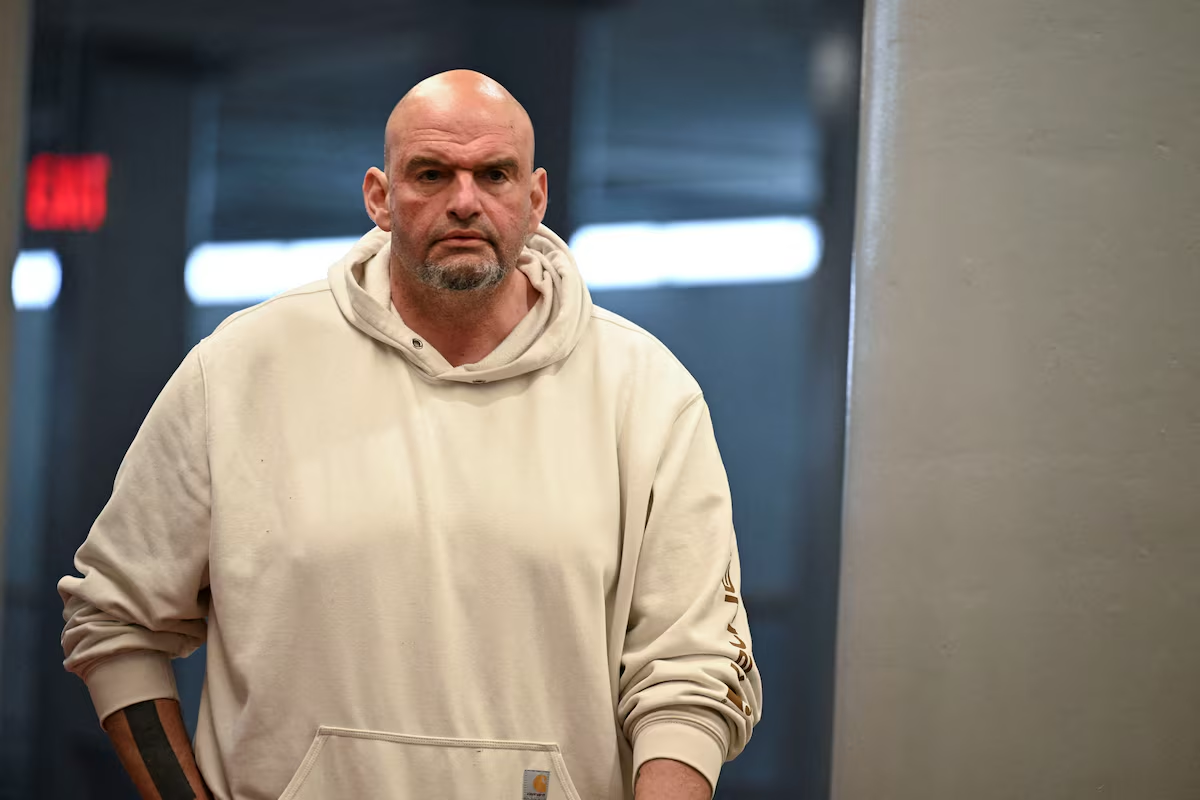
Two days following the fall, the senator shared a graphic image on social media documenting the recovery process. The photo depicted the stitches on his cheek, along with a casual moment as he held a beverage, symbolizing both resilience and a commitment to transparency. In his accompanying message, he expressed gratitude toward the medical team responsible for his care, thanking them for “putting me back together,” and acknowledged the support he received from constituents and the public during the incident.
Officials noted that he has returned home to recuperate with his family, including his spouse and children. The senator’s office confirmed that he is resting and undergoing recovery at home under appropriate care and supervision. While the fall required immediate attention, his overall condition is reported to be stable, and he is expected to continue recuperating without complications.
The senator’s disclosure of the event provides insight into the challenges of managing health concerns while maintaining public duties. Ventricular fibrillation, the irregular heart rhythm that contributed to the fall, is a condition that can pose significant risks if untreated. It is characterized by abnormal electrical activity in the heart that disrupts the normal pumping rhythm, potentially leading to dizziness, fainting, or even sudden cardiac events. Prompt medical attention, including monitoring and adjustment of medications, is critical for managing this condition and preventing further complications.
The lawmaker’s transparency in sharing both the medical details and images of his recovery reflects a broader approach to public communication. By providing a firsthand account, he offers constituents an opportunity to understand the medical challenges he faced and the steps taken to address them. The image of the stitched injury, though graphic, has been interpreted as a demonstration of resilience and an effort to maintain openness regarding personal health matters.
Colleagues and public figures have expressed support and well-wishes, emphasizing both the seriousness of the medical incident and the senator’s recovery. Social media reactions have highlighted admiration for his willingness to openly discuss his health and share the recovery process with the public. Observers have also noted that the candid approach may help raise awareness about cardiac health, particularly conditions such as ventricular fibrillation that can have sudden and serious consequences.
The senator’s recovery plan includes continued observation for heart rhythm stability and adherence to medical guidance regarding physical activity. Healthcare providers have advised careful monitoring to prevent further falls or complications related to the underlying cardiac condition. Family members are actively involved in supporting his recuperation, ensuring that both physical and emotional needs are addressed during the recovery period.
In addition to the physical recovery, the senator has addressed the incident with a sense of humor in public statements, remarking on the visible nature of the injury. Such comments underscore a balance between transparency, personal resilience, and maintaining a public presence even during health-related challenges. Observers have noted that this approach may help normalize conversations around medical emergencies and recovery for public officials.
The incident also highlights broader considerations regarding health management for individuals in demanding public roles. Maintaining rigorous schedules, public appearances, and professional responsibilities can create stressors that may exacerbate underlying medical conditions. The senator’s experience serves as a reminder of the importance of routine health monitoring, attention to early warning signs, and prompt medical intervention when symptoms arise.
The senator’s social media update emphasized gratitude for the healthcare professionals who provided immediate and effective care. He specifically acknowledged the team at the UPMC medical center, noting that their intervention was critical in addressing both the facial injury and the underlying cardiac concerns. Such acknowledgments reinforce the importance of accessible and competent medical services in responding to emergencies.
While the fall was sudden, the lawmaker’s response and recovery illustrate the effectiveness of coordinated medical care. Hospitalization, treatment, and post-discharge monitoring were all implemented in alignment with best practices for cardiac events complicated by physical injury. By sharing this information publicly, the senator provides a case study in the management of acute cardiac-related incidents and associated injuries.
Experts note that ventricular fibrillation is a condition that requires careful ongoing management, including lifestyle modifications, medication adherence, and, in some cases, procedural interventions. Individuals with a history of arrhythmia or cardiac irregularities may be at increased risk of falls, fainting, or other injuries if episodes are not promptly addressed. The senator’s experience underscores the importance of vigilance and proactive medical care.
The senator’s decision to include a visual representation of his stitches has drawn attention to the realities of recovery and the physical impact of such incidents. While graphic, the image communicates a clear message about the seriousness of the injury and the medical response required. This level of transparency can also foster public understanding of the challenges faced by public figures balancing health concerns with professional responsibilities.
Family support has been a critical component of the recovery process. The senator’s spouse and children are reported to be actively involved in his care, providing both emotional support and practical assistance. The involvement of family is often cited by medical professionals as an important factor in successful recovery from medical emergencies, particularly those involving both cardiac and physical trauma.
The senator’s broader public communication strategy includes reinforcing awareness of cardiac health and the potential risks associated with ventricular fibrillation. By openly discussing the medical cause of his fall, he contributes to public education on symptoms, preventive measures, and the importance of timely medical intervention. His transparency also serves to normalize discussions about heart health, which can sometimes be stigmatized or overlooked in public discourse.
In conclusion, the Pennsylvania senator’s recent fall and medical emergency highlight the intersection of health, public service, and personal resilience. Through prompt medical intervention, effective treatment, and ongoing recovery support, he is reportedly stable and recuperating at home. The graphic social media post documenting the stitches on his cheek serves as both a testament to the medical care received and a symbol of transparency for constituents and the broader public.
As he continues his recovery, the senator remains committed to his professional responsibilities while prioritizing health and safety. The incident provides a case study in effective medical response to acute cardiac events and the importance of awareness and preparation for such emergencies. Public and professional reactions reflect widespread concern and support, emphasizing the shared interest in the well-being of public figures who serve in demanding leadership roles.
Through candid communication and acknowledgment of medical challenges, the senator illustrates the importance of openness, resilience, and proactive health management. His experience offers insights for both the public and other officials regarding the management of sudden health events, ongoing care for cardiac conditions, and the role of family and medical professionals in recovery.

Emily Johnson is a critically acclaimed essayist and novelist known for her thought-provoking works centered on feminism, women’s rights, and modern relationships. Born and raised in Portland, Oregon, Emily grew up with a deep love of books, often spending her afternoons at her local library. She went on to study literature and gender studies at UCLA, where she became deeply involved in activism and began publishing essays in campus journals. Her debut essay collection, Voices Unbound, struck a chord with readers nationwide for its fearless exploration of gender dynamics, identity, and the challenges faced by women in contemporary society. Emily later transitioned into fiction, writing novels that balance compelling storytelling with social commentary. Her protagonists are often strong, multidimensional women navigating love, ambition, and the struggles of everyday life, making her a favorite among readers who crave authentic, relatable narratives. Critics praise her ability to merge personal intimacy with universal themes. Off the page, Emily is an advocate for women in publishing, leading workshops that encourage young female writers to embrace their voices. She lives in Seattle with her partner and two rescue cats, where she continues to write, teach, and inspire a new generation of storytellers.