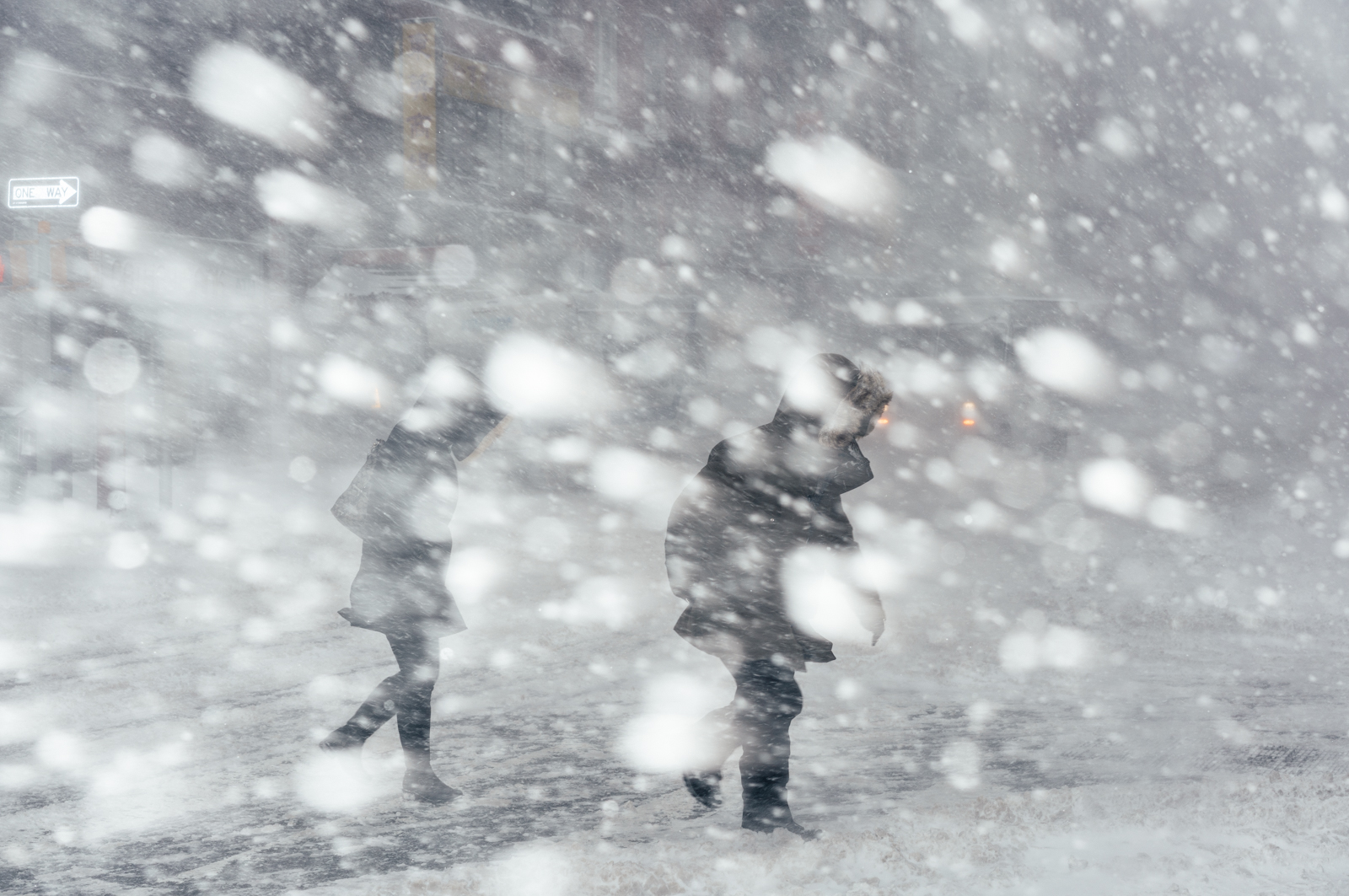
A powerful winter storm sweeping across the Northeast has placed more than 23 million people under winter storm warnings, raising concerns about heavy snowfall, dangerous travel conditions, and widespread disruptions during one of the busiest travel periods of the year.
Meteorologists say the storm system has the potential to bring significant accumulations of snow across multiple states, with some communities expected to see between five and nine inches. Strong winds, reduced visibility, and rapidly deteriorating road conditions are likely as the system intensifies, prompting officials to urge residents to prepare now and limit unnecessary travel.
Major Cities in the Storm’s Path
Among the areas most closely watched is New York City, where forecasters say the storm could deliver the city’s most substantial snowfall since 2022. City officials have already begun mobilizing snow removal crews and emergency services in anticipation of hazardous conditions.
The city’s mayor issued a public warning, emphasizing that the storm coincides with a peak holiday travel window. Residents were urged to plan ahead, avoid nonessential trips, and be prepared for slick roads, delayed transit, and possible service interruptions.
“This storm has the potential to significantly impact travel and daily life,” city officials said in a statement. “New Yorkers should stay informed and take precautions to protect themselves and others.”
Snow Totals and Timing
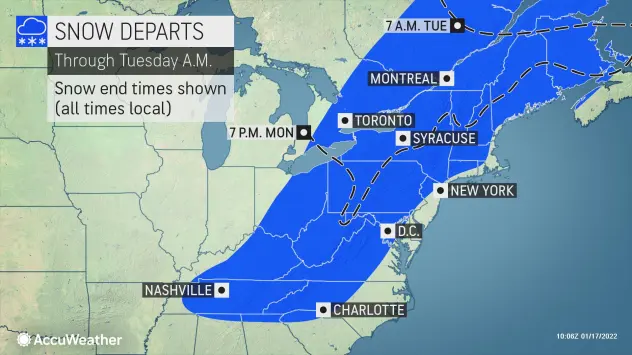
According to weather officials, snow is expected to begin falling in waves, with heavier bands developing overnight and continuing into the following day. Some suburban and inland areas could see higher totals, particularly where colder air allows snow to accumulate quickly.
Forecast models show that snowfall rates could become intense at times, reducing visibility to near zero and making driving extremely dangerous. Even areas that receive the lower end of projected totals could experience hazardous conditions due to icy roads and untreated surfaces.
Travel Disruptions Likely
The storm threatens to disrupt some of the nation’s busiest transportation corridors. Major interstate highways throughout the Northeast are expected to see slowdowns and potential closures as snow accumulates and crews work to clear roadways.
Air travel may also be affected. Airports serving large metropolitan areas are preparing for possible delays and cancellations as snow and ice interfere with runway operations and flight schedules. Travelers are being advised to check with airlines frequently and allow extra time for security screenings and ground transportation.
Rail and public transit systems are also on alert. Snow-covered tracks, icy platforms, and weather-related mechanical issues could result in slower service or temporary suspensions in some locations.
Pennsylvania, New Jersey, and Connecticut on Alert
Beyond New York, the storm is forecast to impact the Philadelphia metropolitan area, as well as large portions of New Jersey and Connecticut.
Officials in these regions have echoed similar warnings, urging drivers to reduce speed, increase following distances, and avoid travel during periods of heavy snowfall. Emergency management agencies are coordinating with local governments to ensure plows, salt trucks, and first responders are ready to respond quickly.
In suburban and rural areas, where road clearing can take longer, residents are being advised to stock up on essentials and prepare for the possibility of brief power outages caused by heavy snow or downed tree limbs.
Holiday Travel Complications
The timing of the storm is especially concerning, as millions of Americans are traveling for the holidays. AAA and transportation agencies estimate that traffic volumes on roads and at airports are already elevated, increasing the risk of congestion and accidents once snow begins falling.
Authorities are urging travelers to build extra time into their plans, monitor weather forecasts closely, and consider delaying trips if conditions worsen.
“Driving in snow-covered conditions significantly increases the risk of crashes,” officials warned. “If you don’t have to be on the roads, the safest choice is to stay home.”
Safety Guidance for Residents
Emergency officials across the Northeast are offering practical safety advice as the storm approaches:
-
Avoid unnecessary travel, especially during periods of heavy snowfall.
-
Slow down and drive cautiously if travel is unavoidable.
-
Keep emergency supplies in vehicles, including blankets, water, and flashlights.
-
Check local alerts and forecasts frequently for updated information.
-
Dress warmly and limit time outdoors, as cold temperatures and wind can increase the risk of hypothermia.
Pedestrians are also being warned about slippery sidewalks and reduced visibility near intersections and crosswalks.
Preparing for the Aftermath
Even after snowfall ends, officials say cleanup and recovery could take time. Snow-packed roads, lingering ice, and refreezing overnight could prolong hazardous conditions for several days, particularly in shaded or less-traveled areas.
Municipal crews are expected to work around the clock to clear streets and restore normal operations, but residents are being asked for patience as plowing priorities focus first on major routes, hospitals, and emergency facilities.
Staying Informed
Weather officials stress that conditions can change rapidly during winter storms, and forecasts may be updated as new data becomes available. Residents are encouraged to rely on official weather services, local emergency management agencies, and trusted news sources for the latest updates.
With more than 23 million people under winter storm warnings, authorities say preparation and caution will be key to minimizing injuries, accidents, and disruptions as the Northeast faces another powerful blast of winter weather.