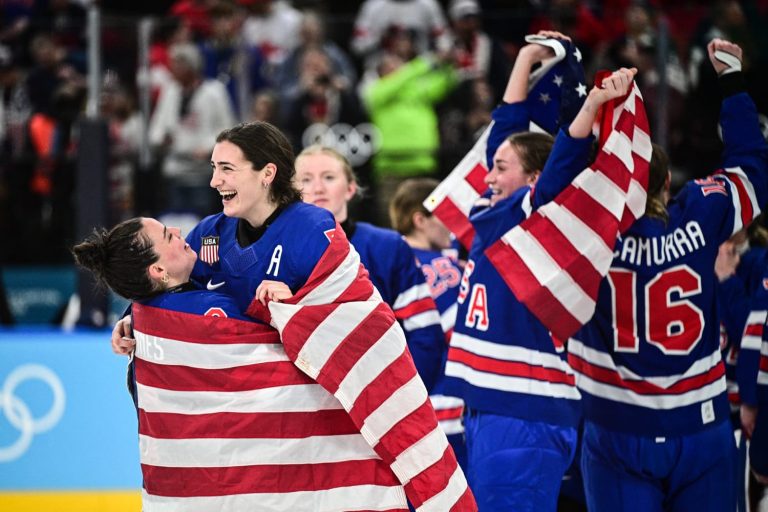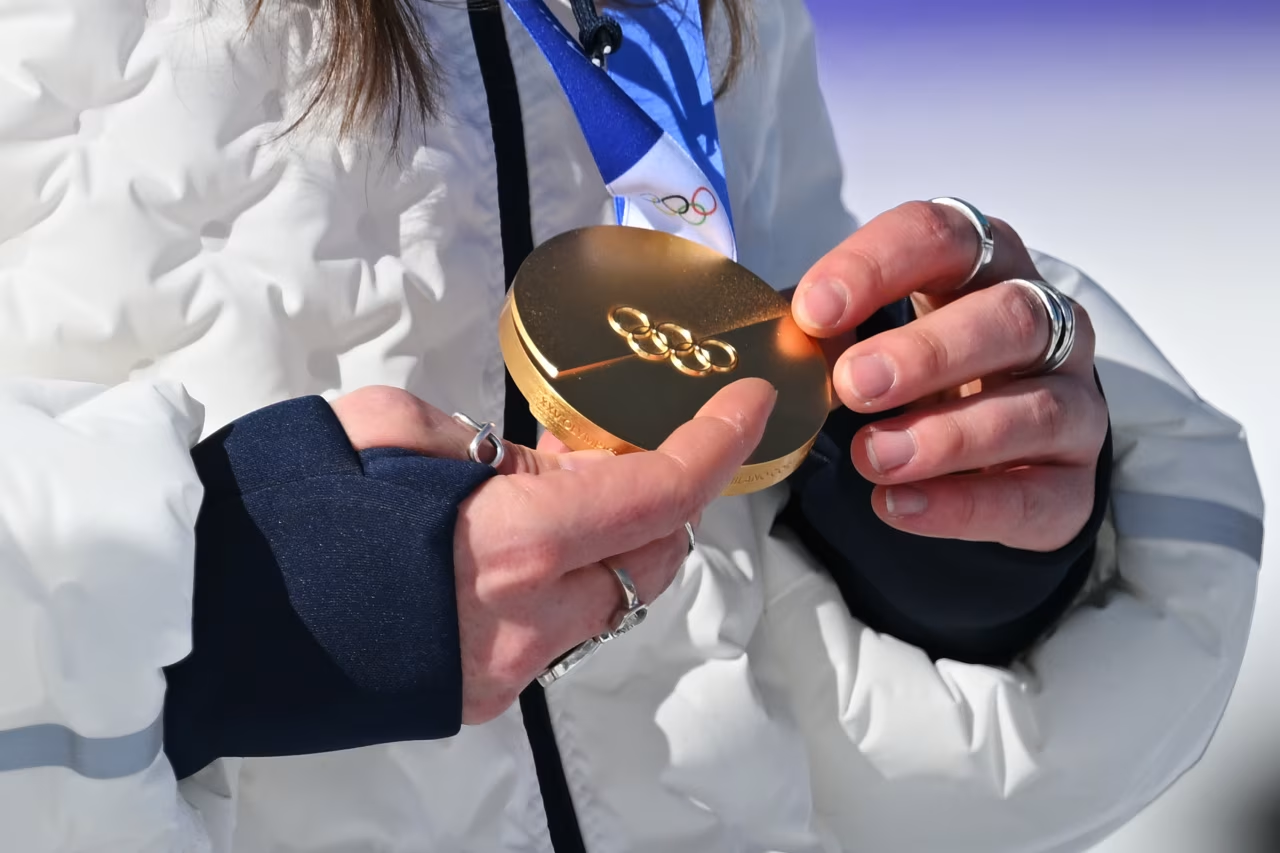
And just like that, the 2026 Milano Cortina Winter Olympics are officially over.
It’s hard to believe that nearly three weeks have already passed since the opening ceremonies kicked off in northern Italy. In what felt like a blink, the world watched elite winter athletes deliver unforgettable moments of triumph, heartbreak, dominance, and resilience. From breakout stars to established legends cementing their legacies, the Games once again proved why the Winter Olympics remain one of the most compelling global sporting events.
At the beginning, expectations and predictions filled every corner of the sports world. American fans were eager to see figure skating prodigy Ilia Malinin take center stage. Canadian supporters confidently predicted gold in both men’s and women’s hockey. Meanwhile, casual viewers found themselves captivated by events like mixed curling, discovering new favorites and unexpected drama along the way.
Yet for all the individual storylines and iconic performances, the Olympics ultimately comes down to something much larger: national achievement. Every performance, every podium finish, every unexpected upset contributes to a single tally — the medal count. It is the definitive scoreboard of global winter sport dominance.
For athletes, that final table is more than just numbers. It represents years of sacrifice, training, and discipline. Seeing your country rise in the rankings because of your performance is the realization of a lifelong dream.
Norway Dominates Once Again
When the final medals were awarded, one nation stood clearly above the rest: Norway.
With a total of 41 medals, including 18 gold, Norway once again asserted its long-standing supremacy in winter sports. The nation’s success was fueled by excellence across multiple disciplines, particularly cross-country skiing, where Johannes Høsflot Klæbo delivered one of the most extraordinary performances in Olympic history.
Klæbo achieved a perfect record, going 6-for-6 in gold medal events, becoming the first athlete ever to win six gold medals at a single Winter Olympics. His dominance not only anchored Norway’s medal count but also defined the Games as a whole. His performances combined endurance, strategy, and technical precision, setting a new standard for future Olympians.
United States Secures Second Place
The United States finished second in the overall standings with 33 total medals, including 12 gold. Team USA delivered a strong and balanced performance across multiple disciplines, reinforcing its status as one of the most competitive winter sport nations.
American athletes produced standout moments in freestyle skiing, snowboarding, and hockey, contributing to a medal haul that kept them firmly in contention throughout the Games. While they ultimately fell short of Norway’s dominant total, their consistency and depth ensured a commanding second-place finish.
Italy Shines on Home Snow
Host nation Italy delivered an impressive showing, finishing third overall with 30 medals. Competing on home soil at the 2026 Milano Cortina Winter Olympics, Italian athletes rose to the occasion, fueled by home crowds and national pride.
Italy secured 10 gold medals, showcasing strength across alpine skiing, speed skating, and other events. The energy of the home audience played a visible role in pushing athletes to peak performances, making Italy’s podium finishes some of the most emotional moments of the Games.
Strong Performances Across Europe and Asia
Germany (26 medals), Japan (24 medals), France (23 medals), and Switzerland (23 medals) all delivered strong, consistent performances. Each of these nations showcased depth across multiple winter disciplines, demonstrating the global competitiveness of winter sport.
Japan’s medal total included a combination of technical precision in figure skating and dynamic performances in snowboarding. France and Switzerland, long known for their alpine traditions, once again confirmed their strength on the slopes.
Meanwhile, the Netherlands stood out in a unique way: of their 20 total medals, an impressive 10 were gold, meaning half of their medals were top finishes — one of the most efficient gold-to-total ratios at the Games.
Canada’s Medal Haul and Nordic Strength
Canada finished with 21 total medals, supported heavily by its traditional strengths in hockey and freestyle skiing. Though the gold medal count was lower than some expectations, Canadian athletes remained competitive in nearly every event they entered.
Sweden and Austria also added 18 medals each, highlighting their enduring strength in Nordic skiing and alpine disciplines.
Nations with Notable Achievements
Several countries delivered memorable performances despite smaller medal totals. China earned 15 medals, South Korea 10, and Australia 6, each demonstrating growing competitiveness in winter sport.
Finland recorded one of the most unique medal outcomes of the Games. The nation earned six total medals — one silver and five bronze — but no gold medals, making it the country with the most total medals without reaching the top podium.
Smaller delegations also made their mark. Countries like Slovenia, Poland, Spain, New Zealand, and Latvia all celebrated podium finishes, reflecting the global reach and inclusivity of winter sports.
Even nations less traditionally associated with winter competition — including Brazil and Kazakhstan — secured historic gold medals, highlighting how the Olympic stage continues to evolve and expand.
The Significance of the Medal Count
The Olympic medal table is more than just a ranking system. It reflects national investment in sport, athlete development systems, coaching excellence, and long-term infrastructure.
Countries like Norway continue to dominate due to deeply embedded winter sport cultures, early athlete development, and sustained national support. Meanwhile, nations such as the United States rely on a broad base of disciplines and elite-level competition structures to maintain their standing.
For host countries like Italy, the Games often serve as a catalyst for future investment, inspiring a new generation of athletes and strengthening national sporting programs.
Moments Beyond the Numbers
While the medal count provides a definitive conclusion, it cannot fully capture the emotional depth of the Olympics. Across the three weeks of competition, the world witnessed countless personal stories — athletes overcoming injury, underdogs achieving the impossible, and veterans delivering final career performances.
From the opening day’s emotional victories to the closing ceremony’s final farewells, the 2026 Milano Cortina Winter Olympics delivered everything fans expect: drama, excellence, and unforgettable memories.
Looking Ahead
As the Olympic flame is extinguished in Italy, attention now turns to the future. The performances seen in Milano and Cortina will shape the next generation of athletes, influence training programs, and set expectations for the next Winter Games.
For now, though, the final medal count stands as the ultimate record of the 2026 Winter Olympics — a snapshot of global athletic excellence at its highest level.
And in the end, as always, the numbers tell the story: Norway on top, the United States close behind, and a world united once again through sport.

James Jenkins is a celebrated Pulitzer Prize-winning author whose work has reshaped the way readers think about social justice and human rights in America. Raised in Atlanta, Georgia, James grew up in a community that instilled in him both resilience and a strong sense of responsibility toward others. After studying political science and creative writing at Howard University, he worked as a journalist covering civil rights issues before dedicating himself fully to fiction. His novels are known for their sharp, empathetic portraits of marginalized communities and for weaving personal stories with broader political realities. Jenkins’s breakout novel, Shadows of Freedom, won national acclaim for its unflinching look at systemic inequality, while his more recent works explore themes of identity, resilience, and the fight for dignity in the face of oppression. Beyond his novels, James is an active public speaker, lecturing at universities and participating in nonprofit initiatives that support literacy and community empowerment. He believes that storytelling is a way to preserve history and inspire change. When not writing, James enjoys jazz music, mentoring young writers, and traveling with his family to explore cultures and stories around the world.