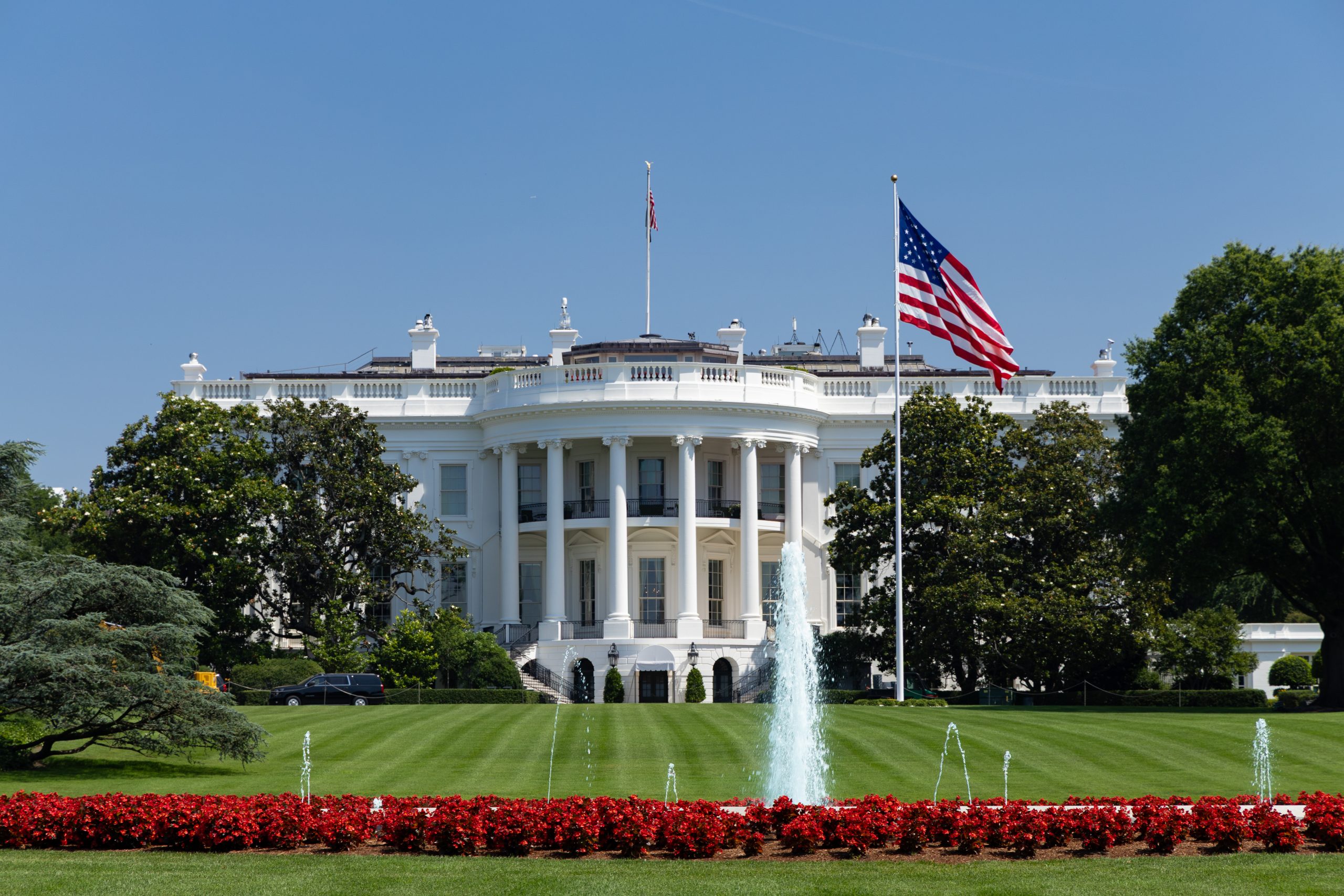
The White House issued a statement Friday following the release of never-before-seen photographs from Jeffrey Epstein’s estate that include President Donald Trump among other prominent figures. The images were released by House Oversight Democrats as part of an ongoing congressional investigation into Epstein’s activities, and they have reignited media attention and political debate over the connections between Epstein and high-profile individuals.
The newly released batch of photographs, which the committee says contains more than 95,000 images, depicts numerous wealthy and influential men who socialized with Epstein, as well as women and scenes from Epstein’s various properties. According to a release from the House Oversight Committee, the full set of photos is still under review, and further images will be released to the public in the coming days and weeks.
Among the images, one shows President Trump standing with six women wearing flower necklaces around their necks. None of the women are believed to be underage, and Trump has not been accused of any criminal activity in connection with Epstein. Other images depict Trump interacting with a woman whose face has been redacted and attending a 1997 Victoria’s Secret party in New York alongside Belgian model Ingrid Seynhaeve, a photo that has been publicly available for years.
A particularly unusual photograph shows a large bowl labeled “Trump condom $4.50,” each packet featuring a caricature of Trump’s face and the phrase, “I’m HUUUUGE!” While the image has drawn attention for its novelty, there is no suggestion of any illegal activity associated with it.
The House Oversight Committee has stated that the images, along with thousands of other documents and emails, are part of a broader effort to investigate Epstein’s network and the interactions of influential individuals with his estate. “This latest production contains over 95,000 photos, including images of the wealthy and powerful men who spent time with Jeffrey Epstein,” the committee said. “Images also include thousands of photographs of women and Epstein properties. Committee Democrats are reviewing the full set of photos and will continue to release photos to the public in the days and weeks ahead.”
Other prominent figures featured in the images include Bill Gates, Bill Clinton, Richard Branson, Woody Allen, former Treasury Secretary Larry Summers, Steve Bannon, Alan Dershowitz, Ghislaine Maxwell, and Andrew Mountbatten-Windsor. It is important to note that while these individuals are pictured with Epstein or at events associated with him, there is no indication in the committee’s release that any of them engaged in illegal activity.
In response to the release of the photographs, the White House quickly issued a statement defending President Trump and criticizing the Democrats’ handling of the material. White House spokesperson Abigail Jackson accused House Democrats of selectively releasing “cherry-picked photos with random redactions” to create a misleading narrative.
Jackson emphasized that the Trump administration has taken significant action regarding Epstein’s victims, asserting that the president has consistently called for transparency, released thousands of documents, and advocated for further investigations into Epstein’s associates. “The Democrat hoax against President Trump has been repeatedly debunked,” Jackson said. “The Trump Administration has done more for Epstein’s victims than Democrats ever have by repeatedly calling for transparency, releasing thousands of pages of documents, and calling for further investigations into Epstein’s Democrat friends.”
The release of these images comes amid renewed congressional scrutiny of Epstein’s activities and the broader network of social, political, and business connections that he cultivated over decades. Epstein, who was arrested in 2019 on federal sex trafficking charges and later died in custody, had longstanding ties to a wide range of influential individuals in politics, entertainment, and finance. Congressional committees have sought to understand the extent of these relationships, the management of his estate, and potential lapses in oversight by various institutions.
Trump’s appearance in the photographs underscores his historical social connections with Epstein, which have been publicly known for years. During the 1990s and early 2000s, Trump and Epstein were photographed together at multiple social events, charity functions, and private gatherings. The images do not reveal any criminal behavior by Trump, and he has consistently denied wrongdoing in any matters related to Epstein.
The photograph depicting a bowl of Trump-branded novelty condoms has drawn media attention for its unusual and satirical nature, reflecting the culture of high-profile social events of the era. While humorous in appearance, the image’s release alongside the broader batch of photos has fueled partisan debate, with critics claiming it is being used to create a sensationalized narrative.
The House Oversight Committee’s release is part of a larger effort to provide transparency regarding Epstein’s extensive network. The committee has previously released documents, emails, and other records revealing the scale of his social and financial influence. According to the Democrats leading the investigation, the photographs and documents help illustrate the intersections between powerful individuals and Epstein, without necessarily implying criminal culpability for those depicted.
Legal experts caution that public interpretation of the images requires careful consideration. “It’s important to distinguish between social association and legal responsibility,” said Professor Karen Whitfield, a law professor specializing in white-collar crime. “Just because someone attended events with Epstein or appeared in photographs on his estate does not mean they were engaged in illegal activity. Context is key, and investigators must continue to parse the details carefully.”
Media and public reactions to the release have been swift and polarized. Supporters of Trump argue that the images are being weaponized for political purposes, pointing to the White House’s contention that House Democrats are selectively curating the content to cast the president in a negative light. Critics argue that the photographs reinforce the need for rigorous investigation into all individuals connected to Epstein, regardless of political affiliation, in order to understand the full scope of his criminal enterprise.
Other notable figures featured in the images, including Bill Gates, Bill Clinton, and Richard Branson, have not been implicated in any wrongdoing. Their appearances in the photographs are largely consistent with prior knowledge of Epstein’s social circles, which included a mixture of business leaders, politicians, and celebrities. Legal and ethical analyses of these connections continue to be a focus for congressional investigators.
The release also highlights Ghislaine Maxwell, Epstein’s longtime associate, who was convicted in 2021 of sex trafficking and conspiracy charges related to Epstein’s network. Her presence in the photographs underscores her central role in Epstein’s operations and serves as a reminder of the ongoing legal scrutiny surrounding his estate and associates.
For Trump, the photographs represent a challenge in terms of public perception, even in the absence of any criminal allegations. The visual documentation of his association with Epstein inevitably draws media attention and raises questions in the public domain, particularly in a politically charged environment. White House officials, however, have emphasized that Trump has maintained a consistent position of denial regarding any wrongdoing and has repeatedly highlighted his calls for transparency and victim support.
As the committee continues its review, additional photographs and documents are expected to be released, potentially providing further insights into Epstein’s social networks and interactions. Investigators will likely examine the timing, context, and circumstances surrounding each photograph to determine relevance to ongoing inquiries.
The release on December 12 is a continuation of a pattern in which congressional committees seek to make public the scope of Epstein’s connections and properties, shedding light on the lifestyles of the wealthy and powerful who were linked to him. These efforts have been described by committee leaders as necessary for accountability and public understanding, while critics warn that selective releases can create misleading impressions.
Experts in political communications note that the timing and framing of the release carry implications for partisan narratives. “Any time photographs emerge showing a sitting president in a context linked to a high-profile criminal investigation, it is almost certain to be used by both supporters and detractors to reinforce existing narratives,” said communications analyst Michael Benton. “Transparency is important, but context and careful analysis are critical to avoid misinformation.”
The White House response underscores the administration’s strategy of framing the release as politically motivated. By emphasizing Trump’s support for Epstein’s victims and calling out the Democrats’ selective photo releases, officials aim to shape the public conversation around the president’s record rather than the photographs themselves.
In addition to Trump, the images provide a window into Epstein’s broader network, which included an array of celebrities, business leaders, and politicians. The photographs offer investigators and the public a detailed record of social interactions and gatherings, including private events, parties, and trips, helping to map Epstein’s extensive web of influence over decades.
While the immediate legal implications for Trump are absent, the ongoing release of these photographs has sparked broader discussions about ethics, influence, and accountability among elites who associated with Epstein. Scholars, journalists, and political commentators continue to debate how much visibility into social connections should inform public understanding versus how much may constitute guilt by association.
House Oversight Democrats have pledged to continue reviewing and releasing additional materials in the weeks ahead, signaling that this investigation is far from over. Officials stress that the full collection of images will provide a more complete picture of Epstein’s operations, the people involved, and potential lapses in oversight or accountability.
As the story develops, the White House has reiterated its position that Trump has no criminal liability related to Epstein and that he has consistently acted to support victims and ensure transparency. Meanwhile, media outlets, legal experts, and the public are left to scrutinize the photos, assess the historical context, and separate social interactions from legal culpability.
Ultimately, the December 12 release highlights both the enduring fascination with Epstein’s social world and the delicate balance between transparency, public perception, and political narrative. As investigators continue to sift through thousands of images and documents, the broader implications for all individuals associated with Epstein—Trump included—remain a subject of intense scrutiny and debate.

Emily Johnson is a critically acclaimed essayist and novelist known for her thought-provoking works centered on feminism, women’s rights, and modern relationships. Born and raised in Portland, Oregon, Emily grew up with a deep love of books, often spending her afternoons at her local library. She went on to study literature and gender studies at UCLA, where she became deeply involved in activism and began publishing essays in campus journals. Her debut essay collection, Voices Unbound, struck a chord with readers nationwide for its fearless exploration of gender dynamics, identity, and the challenges faced by women in contemporary society. Emily later transitioned into fiction, writing novels that balance compelling storytelling with social commentary. Her protagonists are often strong, multidimensional women navigating love, ambition, and the struggles of everyday life, making her a favorite among readers who crave authentic, relatable narratives. Critics praise her ability to merge personal intimacy with universal themes. Off the page, Emily is an advocate for women in publishing, leading workshops that encourage young female writers to embrace their voices. She lives in Seattle with her partner and two rescue cats, where she continues to write, teach, and inspire a new generation of storytellers.