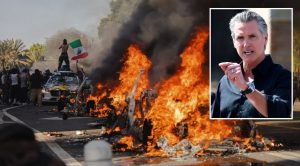

The White House has confirmed that more than 330 illegal immigrants were arrested during the recent wave of riots in Los Angeles, with officials stating that deportation proceedings are now in motion. The announcement came during a June 11 press briefing by White House Press Secretary Karoline Leavitt, who emphasized the administration’s commitment to law and order.
Leavitt stated that of the 330 individuals taken into custody, 113 had prior criminal convictions. In total, 157 people—including both illegal immigrants and U.S. citizens—were arrested on charges related to assault and obstruction during the unrest.
The Department of Justice (DOJ) also announced that two individuals were arrested for allegedly using Molotov cocktails against law enforcement during the riots. One of them, 23-year-old Emiliano Garduno Galvez, a Mexican national, had previously been deported and was found to have a criminal record including DUI and grand theft. He is accused of throwing a Molotov cocktail at officers during a June 7 riot in downtown Los Angeles. The DOJ charged him with possession of an unregistered destructive device. Although the Department of Homeland Security (DHS) characterized his act as attempted murder of a police officer, the DOJ has not filed attempted murder charges at this time.
The second suspect, 29-year-old Wrackkie Quiogue, was also arrested for allegedly throwing Molotov cocktails. His immigration status remains unclear, but he too faces charges for possessing an unregistered destructive device.
U.S. Attorney Bill Essayli addressed the seriousness of the crimes in a statement, warning that violent behavior during protests would not be tolerated. “When protesting crosses the line into violence, the penalties will be severe,” he said. Essayli noted that using such weapons could lead to life-threatening injuries for law enforcement and innocent bystanders. The charge of possessing an unregistered destructive device carries a maximum sentence of 10 years in federal prison.
Federal investigators are currently reviewing body cam footage, FBI videos, and social media posts to identify additional suspects. Authorities anticipate further arrests in the days ahead.
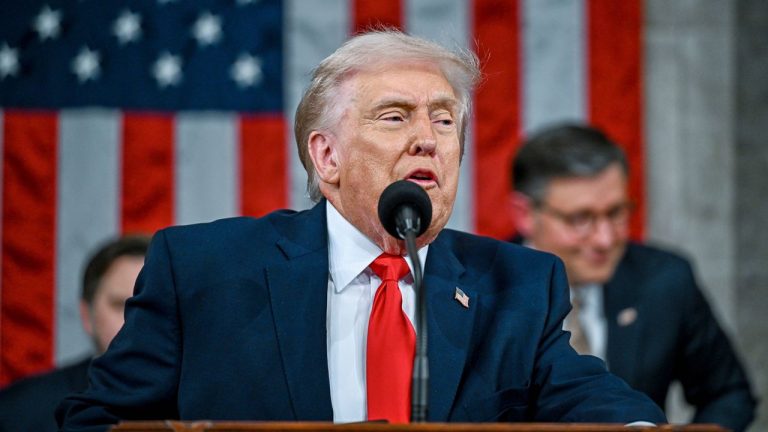
Leavitt also raised concerns about outside funding sources possibly fueling the unrest, a sentiment echoed recently by President Donald Trump. She urged the media and public to ask more questions about who might be financially supporting these violent demonstrations.
In response to the escalating violence, President Trump authorized the deployment of thousands of National Guard troops and 700 Marines to Los Angeles. California Governor Gavin Newsom and Attorney General Rob Bonta attempted to block the federal deployment through a lawsuit, but a judge declined to issue a restraining order. Newsom criticized the move as federal overreach and said Trump acted without consultation.
Meanwhile, a downtown curfew was enforced on the night of June 10, leading to immediate arrests. Officers used crowd-control tactics, including projectiles and mounted patrols, to disperse the demonstrators.
DHS also released the names of nine individuals with criminal convictions arrested by immigration authorities on June 9 and 10, including one with a homicide conviction. The agency indicated that more names could be made public as investigations continue.
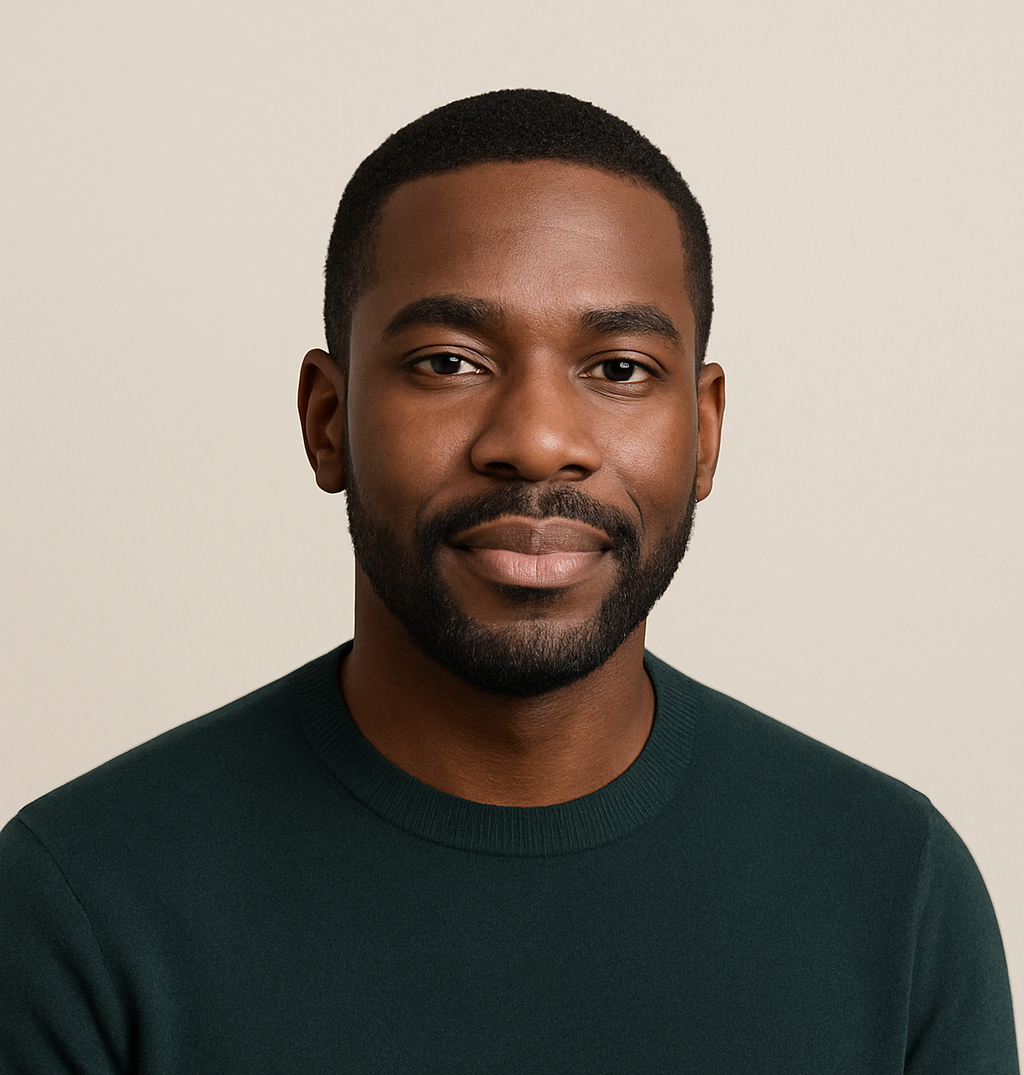
James Jenkins is a celebrated Pulitzer Prize-winning author whose work has reshaped the way readers think about social justice and human rights in America. Raised in Atlanta, Georgia, James grew up in a community that instilled in him both resilience and a strong sense of responsibility toward others. After studying political science and creative writing at Howard University, he worked as a journalist covering civil rights issues before dedicating himself fully to fiction. His novels are known for their sharp, empathetic portraits of marginalized communities and for weaving personal stories with broader political realities. Jenkins’s breakout novel, Shadows of Freedom, won national acclaim for its unflinching look at systemic inequality, while his more recent works explore themes of identity, resilience, and the fight for dignity in the face of oppression. Beyond his novels, James is an active public speaker, lecturing at universities and participating in nonprofit initiatives that support literacy and community empowerment. He believes that storytelling is a way to preserve history and inspire change. When not writing, James enjoys jazz music, mentoring young writers, and traveling with his family to explore cultures and stories around the world.