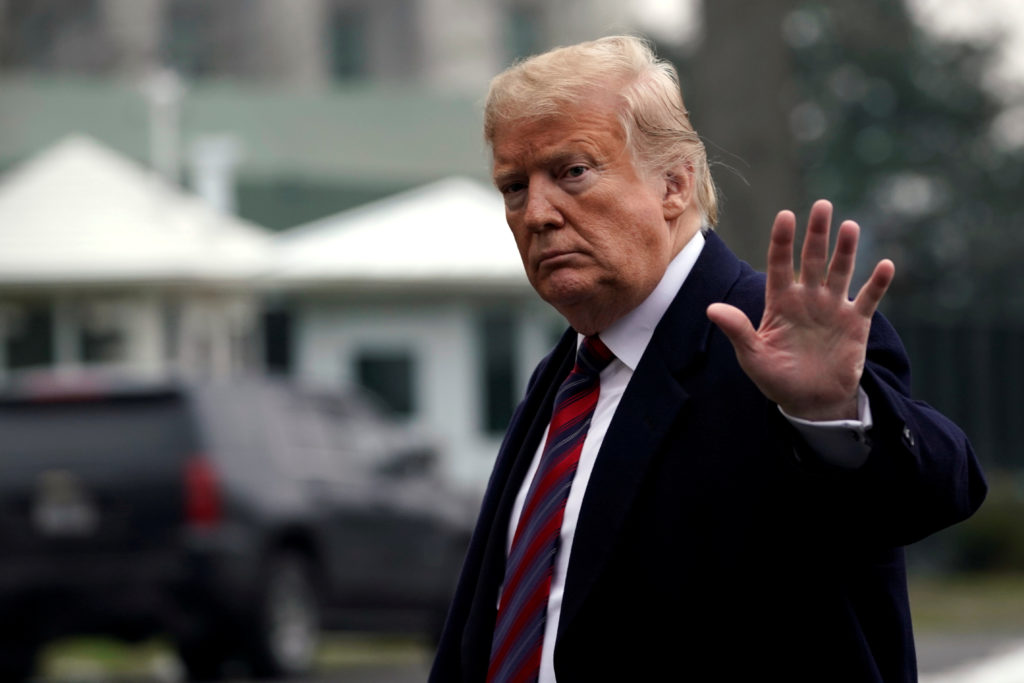
A new release of Jeffrey Epstein-related documents on Friday has reignited scrutiny over high-profile figures linked, however tangentially, to the convicted financier. Among the files are previously unseen allegations targeting current President Donald Trump, which the White House has emphatically denied.
The Department of Justice (DOJ) and the White House confirmed Friday that some of the documents contain unverified claims about Trump, alongside additional material featuring other public figures, including Andrew Mountbatten-Windsor, formerly known as Prince Andrew. These documents are part of the latest tranche of files made public following decades of investigations into Epstein’s criminal conduct, which included sex trafficking of minors.
According to the released material, the files included tips compiled by the Federal Bureau of Investigation (FBI) in August 2025, prior to the 2020 presidential election. One allegation asserted that Trump had forced a minor—then 13 or 14 years old—to perform sexual acts decades earlier. The claim, which was submitted by an unidentified source, further suggested that the alleged victim was struck after reacting during the incident.
The White House swiftly responded to the files, issuing a statement alongside the DOJ dismissing the allegations as false. “Some of the documents contain untrue and sensationalist claims against President Trump that were submitted to the FBI right before the 2020 election,” the statement read. “To be clear, the claims are unfounded and false, and if they had any credibility, they certainly would have been weaponized against President Trump already.”
The White House also noted that the files released represent raw submissions to the FBI from the public. “Some of these documents may include fake or falsely submitted images, documents, or videos,” the statement added, emphasizing that the inclusion of a name in the files does not imply guilt or wrongdoing.
Context of the Epstein Files
The latest release is part of a broader transparency effort regarding Jeffrey Epstein’s criminal activities. Epstein, a financier who was convicted in 2008 in Florida for soliciting prostitution from a minor, was arrested again in New York in 2019 on federal sex trafficking charges. He died by suicide in a New York City jail cell that August.
Ghislaine Maxwell, Epstein’s longtime associate and confidante, was convicted in 2021 for her role in recruiting underage girls for Epstein. She is currently serving a 20-year sentence in a federal prison camp in Texas.
The DOJ release on Friday included thousands of images and documents, encompassing photographs, emails, and other materials that had previously been withheld. Some of the content has been publicly removed and restored intermittently due to website overloads, but officials maintain that the release represents the most comprehensive batch to date.
Democratic lawmakers and advocates for survivors have expressed concern that significant portions of the files remain undisclosed. Representative Robert Garcia criticized the Trump administration for what he described as a selective release. “Donald Trump and his Department of Justice have now made it clear that they intend to withhold roughly 50% of the Epstein files while claiming to have fully complied with the law. This is outrageous and incredibly concerning,” Garcia said.
He added that congressional oversight committees have issued subpoenas directing the release of all remaining files, while also taking measures to protect survivors’ identities. “We are demanding the names of Epstein’s co-conspirators and the men and pedophiles who abused women and girls. We will begin a thorough review of this latest limited production, but let’s be clear: our work and investigation are just getting started,” Garcia said.
Unverified Allegations and Public Response
The files’ inclusion of allegations against Trump underscores the challenge of differentiating verified evidence from raw tips or uncorroborated reports. Legal experts have emphasized that the DOJ’s disclosure of documents does not constitute an endorsement or validation of any claim contained within.
“This is a collection of submitted materials, many of which are unverified and may be based on rumor or hearsay,” said a legal analyst familiar with the case. “While the documents are being released in the interest of transparency, there is no presumption of accuracy. Public figures named in these files are not guilty simply because their names appear.”
The White House and DOJ’s approach appears intended to provide full disclosure while distancing itself from any suggestion that the allegations have merit. According to officials, the documents released are a matter of public record and transparency, rather than an indication of ongoing investigations into the president.
The inclusion of Prince Andrew in the files highlights how Epstein’s network of associates extended across international and high-profile circles. The prince has faced multiple allegations of sexual misconduct linked to Epstein, which he has consistently denied. A previous civil case involving Virginia Roberts Giuffre, one of Epstein’s accusers, included claims against the prince and other high-profile figures.
Political Implications
The release of the Epstein files comes amid heightened political tensions in the United States. President Trump, who has faced multiple legal inquiries related to election interference and business dealings, has previously denied wrongdoing in all matters linked to Epstein. The files’ release shortly before key political events has led to renewed debates over the timing and potential influence of such disclosures.
Democrats have argued that the incomplete release could impede accountability and obscure the full scope of Epstein’s criminal network. They have called on the DOJ to release all remaining documents, emphasizing the importance of transparency for survivors of abuse.
For his part, Trump has consistently denied any illegal or immoral conduct involving Epstein. He has publicly characterized his association with the financier as limited and has emphasized that he ended the relationship in the mid-2000s, citing Epstein’s inappropriate behavior toward young women.
Looking Ahead
As the DOJ releases more materials and congressional oversight continues, legal and political observers are closely monitoring developments. The latest tranche of Epstein files represents only part of a much larger collection of records spanning decades of investigations. Lawmakers, journalists, and advocacy groups anticipate additional disclosures in the coming months.
In the meantime, officials caution the public to treat the files with care. Raw submissions and unverified allegations, while publicly available, are not evidence of guilt, and the release of these documents does not imply legal culpability. Experts emphasize that verifying claims and distinguishing credible evidence from rumor or fabricated submissions is a critical next step.
Ultimately, the Epstein files continue to shed light on the broader network surrounding the convicted financier while also generating complex questions about public figures, transparency, and the management of sensitive material. As Congress and the DOJ navigate these challenges, the nation continues to weigh the balance between disclosure and due process.

Emily Johnson is a critically acclaimed essayist and novelist known for her thought-provoking works centered on feminism, women’s rights, and modern relationships. Born and raised in Portland, Oregon, Emily grew up with a deep love of books, often spending her afternoons at her local library. She went on to study literature and gender studies at UCLA, where she became deeply involved in activism and began publishing essays in campus journals. Her debut essay collection, Voices Unbound, struck a chord with readers nationwide for its fearless exploration of gender dynamics, identity, and the challenges faced by women in contemporary society. Emily later transitioned into fiction, writing novels that balance compelling storytelling with social commentary. Her protagonists are often strong, multidimensional women navigating love, ambition, and the struggles of everyday life, making her a favorite among readers who crave authentic, relatable narratives. Critics praise her ability to merge personal intimacy with universal themes. Off the page, Emily is an advocate for women in publishing, leading workshops that encourage young female writers to embrace their voices. She lives in Seattle with her partner and two rescue cats, where she continues to write, teach, and inspire a new generation of storytellers.