NOTE: VIDEO AT THE END OF ARTICLE
In an age defined by digital communication, former President Barack Obama is once again entering the debate on where the line should be drawn between free speech and social responsibility. At a recent event in Connecticut, Obama made headlines by suggesting that the government may need to impose limits on how information is shared online.
The former president’s comments come amid growing concerns about misinformation, disinformation, and what he referred to as a “diversity of facts”—a situation where basic truths are no longer agreed upon. Speaking alongside historian Heather Cox Richardson, Obama expressed concern that the digital landscape has enabled a dangerous form of narrative chaos.
He emphasized that while diverse opinions are healthy for a democracy, the same does not apply to facts. Obama argued that powerful entities—both foreign and domestic—have exploited this chaos, flooding public discourse with so much noise that people lose trust in everything. He cited a phrase reportedly used by Russian intelligence and later embraced by political operatives: flood the zone until people give up on truth altogether.
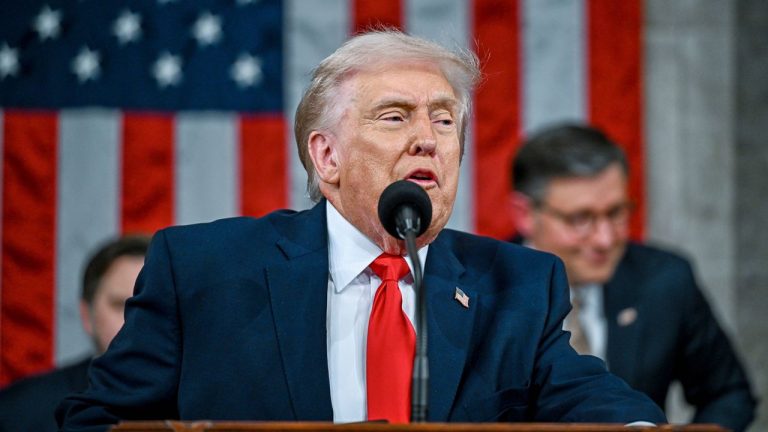
Obama didn’t shy away from alluding to former President Donald Trump, referencing the double standard of calling an election “rigged” only when it is lost. The implication was clear: today’s climate of distrust has been amplified by key political figures.
As a potential solution, Obama proposed “government regulatory constraints” on the business models of social media platforms—frameworks that currently incentivize outrage and virality over accuracy. He acknowledged the constitutional tightrope this proposal walks, emphasizing the importance of remaining consistent with the First Amendment.
His remarks have already sparked passionate reactions across the political spectrum. Supporters see his comments as a reasoned approach to managing digital chaos, while critics view them as a veiled push for state-sanctioned censorship.
This conversation isn’t going away. With deepfakes, bot armies, and algorithmic manipulation shaping public consciousness, the question isn’t just what we say online—but who gets to decide what’s true.
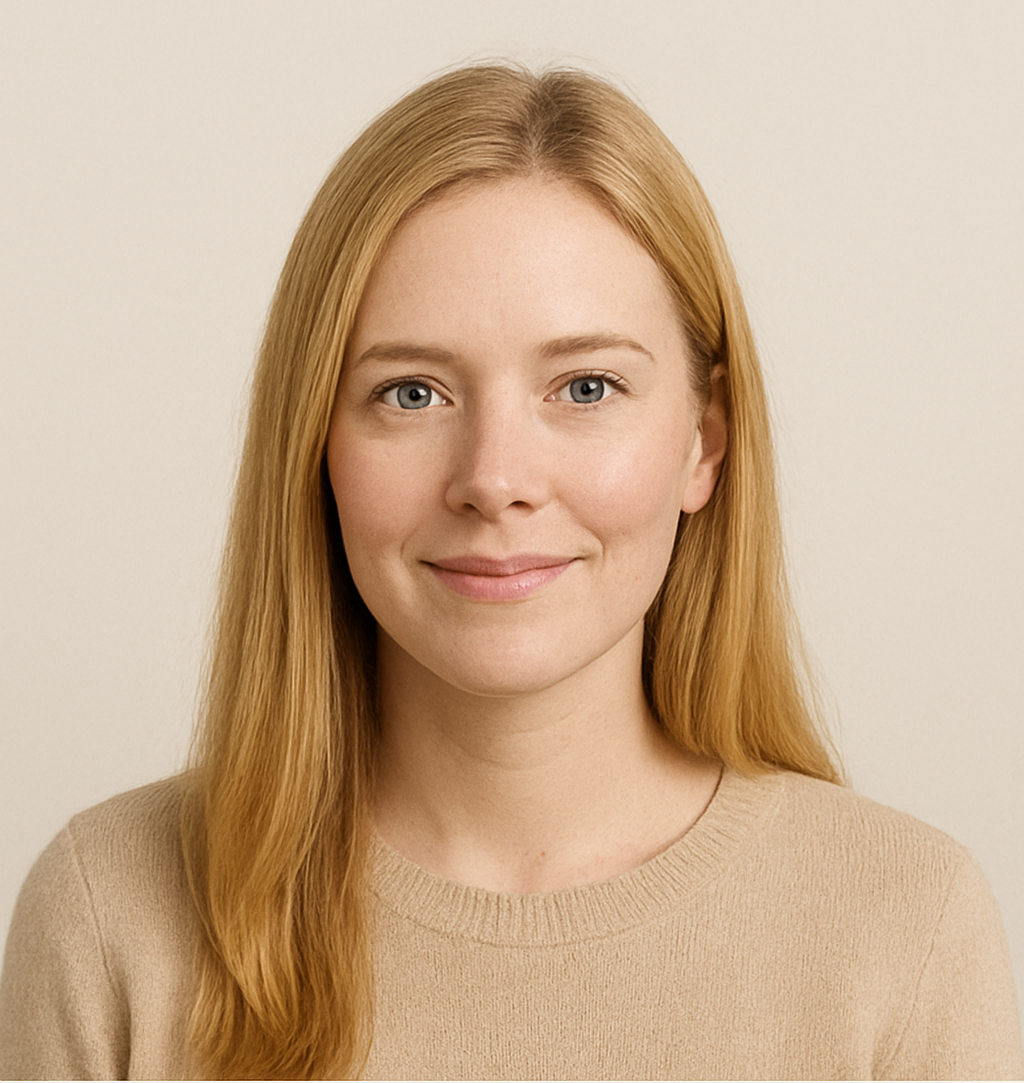
Sarah Mitchell is a bestselling novelist recognized for her insightful and emotionally resonant stories that explore the complexities of human relationships. Originally from Denver, Colorado, Sarah grew up in a family of teachers who nurtured her curiosity and love for storytelling. She studied psychology at Stanford University, where she became fascinated by the intricacies of human behavior—an interest that would later shape her writing career. Sarah’s novels are praised for their nuanced characters, intricate plots, and ability to capture the subtle tensions that define love, friendship, and family ties. Her breakthrough novel, The Spaces Between Us, became an instant bestseller, lauded for its honest portrayal of strained family relationships and the fragile bonds that hold people together. Since then, she has published several works that continue to captivate audiences around the world. Outside of her writing career, Sarah is passionate about mental health advocacy and often partners with organizations to promote awareness and support for those struggling with emotional well-being. Her personal life is quieter—she enjoys hiking in the Colorado mountains, practicing yoga, and spending time with close friends. With each new book, Sarah Mitchell cements her reputation as a writer who illuminates the beauty and struggles of human connection.