

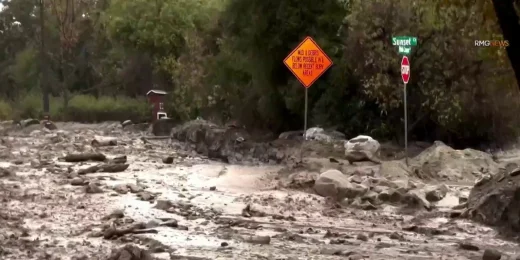
Historic flooding driven by days of relentless rain has overwhelmed large parts of Washington state, washing away homes, submerging bridges, and forcing tens of thousands of residents to flee as rivers surged toward record levels. Emergency officials warned Friday that conditions could worsen rapidly, describing the unfolding disaster as potentially catastrophic.
The severe flooding is the result of an intense atmospheric river system that has delivered prolonged and heavy rainfall across western Washington. Swollen rivers spilled far beyond their banks, inundating towns and rural areas alike. In some communities, families were forced to seek refuge on rooftops as fast-moving floodwaters cut off roads and emergency access. At least two homes were torn from their foundations, underscoring the destructive force of the rising water.
In response to the escalating crisis, state authorities declared a state of emergency, mobilizing emergency services and resources across affected regions. Evacuation orders were issued for tens of thousands of residents, particularly in low-lying and flood-prone areas. Officials emphasized that compliance with evacuation directives could mean the difference between life and death.
Governor Bob Ferguson urged residents to take the warnings seriously as rivers continued to rise. In a public statement, he acknowledged that many Washington communities are familiar with flooding but stressed that the current situation is unprecedented in scale. “We’re looking at a historic situation,” he said, warning that the combination of saturated ground and continued rainfall significantly increases the risk of severe flooding.
One of the most critical areas of concern is a major agricultural region north of Seattle, where approximately 78,000 residents were ordered to evacuate from the Skagit River floodplain. The river was expected to crest Friday morning, with forecasters warning that even small increases in water levels could lead to widespread inundation of homes, farms, and infrastructure. The Skagit Valley, a vital agricultural hub, faces potential long-term impacts from crop damage and soil erosion.
Emergency crews worked around the clock to conduct rescues, reinforce levees, and monitor river gauges. Shelters were opened for displaced residents, while transportation officials closed roads and bridges deemed unsafe due to flooding or structural damage.
As forecasts called for continued rainfall, authorities warned that recovery efforts may be delayed and additional evacuations could become necessary. Residents were urged to stay informed, avoid flooded areas, and follow official guidance as Washington confronts one of the most severe flooding events in its history.

Emily Johnson is a critically acclaimed essayist and novelist known for her thought-provoking works centered on feminism, women’s rights, and modern relationships. Born and raised in Portland, Oregon, Emily grew up with a deep love of books, often spending her afternoons at her local library. She went on to study literature and gender studies at UCLA, where she became deeply involved in activism and began publishing essays in campus journals. Her debut essay collection, Voices Unbound, struck a chord with readers nationwide for its fearless exploration of gender dynamics, identity, and the challenges faced by women in contemporary society. Emily later transitioned into fiction, writing novels that balance compelling storytelling with social commentary. Her protagonists are often strong, multidimensional women navigating love, ambition, and the struggles of everyday life, making her a favorite among readers who crave authentic, relatable narratives. Critics praise her ability to merge personal intimacy with universal themes. Off the page, Emily is an advocate for women in publishing, leading workshops that encourage young female writers to embrace their voices. She lives in Seattle with her partner and two rescue cats, where she continues to write, teach, and inspire a new generation of storytellers.