



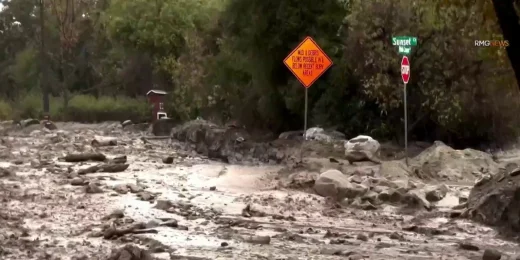
Washington state is facing a historic natural disaster as relentless rains have triggered catastrophic flooding across large portions of the region. Torrential downpours over the past several days have overwhelmed rivers, washed away homes, submerged bridges, and forced tens of thousands of residents to flee for their lives. Emergency officials warned on Friday that conditions could deteriorate further, describing the unfolding crisis as one of the most severe in the state’s recorded history.
The disaster stems from an intense atmospheric river system, a meteorological phenomenon in which streams of moisture from the Pacific Ocean funnel heavy rainfall into coastal and inland areas. In this case, the atmospheric river has delivered prolonged and relentless rain, saturating already wet soils and causing rivers to swell well beyond their natural capacities. In many areas, rivers have surpassed record flood levels, placing homes, businesses, and critical infrastructure at unprecedented risk.
Impact on Communities
In towns and rural areas across western Washington, the flooding has created scenes of widespread devastation. Roads and bridges have been submerged or destroyed, leaving communities isolated and cutting off access for emergency responders. Families have been forced to climb onto rooftops or higher ground as fast-moving waters inundated their homes. At least two homes have been torn from their foundations, a stark reminder of the destructive force of the floodwaters. Vehicles have been swept away, and debris-filled water has turned familiar neighborhoods into virtual rivers, complicating rescue operations and creating dangerous conditions for residents.
Emergency responders, including the Washington State Patrol, National Guard, and local fire departments, have been working around the clock to rescue stranded residents, reinforce levees, and monitor river gauges. Helicopters have been deployed in some areas to airlift people from rooftops and flooded streets, while ground crews navigate treacherous conditions to reach those trapped in their homes. Evacuation centers and shelters have been opened to accommodate displaced residents, providing food, water, and medical care.
State Response and Emergency Declarations
In response to the escalating crisis, state authorities declared a state of emergency, allowing for the rapid mobilization of personnel and resources across affected areas. Evacuation orders were issued for tens of thousands of residents, particularly in low-lying and flood-prone regions. Officials have stressed the importance of compliance with evacuation directives, warning that failure to do so could result in life-threatening consequences.
Governor Bob Ferguson addressed the public, urging residents to take the warnings seriously. “We’re looking at a historic situation,” Ferguson said in a statement, acknowledging that while flooding is a recurring concern in many Washington communities, the scale and severity of the current event are unprecedented. He highlighted that saturated ground conditions, combined with continued rainfall, dramatically increase the risk of severe flooding, even in areas that may have previously felt secure.
The governor’s office, along with the Washington State Emergency Management Division, has been coordinating closely with local officials to monitor river levels, assess damage, and allocate resources for relief efforts. State officials emphasized that early action and adherence to evacuation orders could save lives, particularly in communities near major river systems.
Skagit Valley Under Siege
One of the most critical areas affected by the flooding is the Skagit Valley, a major agricultural region north of Seattle. Authorities issued evacuation orders for approximately 78,000 residents living within the Skagit River floodplain. The river was expected to crest on Friday morning, and forecasters warned that even small increases in water levels could inundate homes, farms, and vital infrastructure.
The flooding in Skagit Valley has significant implications beyond immediate property damage. The region is a key agricultural hub, and rising waters threaten crops, soil stability, and long-term productivity. Local farmers face the prospect of widespread crop loss, soil erosion, and disruption of planting schedules, which could affect food supply chains both regionally and nationally. Livestock operations have also been impacted, with some animals evacuated to higher ground while others remain at risk.
Emergency crews have been working tirelessly to strengthen levees and protective barriers along the Skagit River and surrounding tributaries. Volunteers, National Guard units, and municipal personnel have all been engaged in sandbagging operations, attempting to divert water away from homes, roads, and critical infrastructure. Despite these efforts, forecasters caution that continued rainfall could overwhelm protective measures and force additional evacuations.
Infrastructure Challenges and Road Closures
Across the state, infrastructure has suffered significant damage due to flooding. Bridges, roads, and highways have been submerged or washed out entirely, limiting mobility and complicating response efforts. Transportation officials have closed multiple roadways deemed unsafe, including portions of state highways and rural access roads, to prevent accidents and allow emergency crews to operate safely.
Utilities and public services have also been disrupted in several areas. Power outages have left thousands of residents without electricity, while water treatment facilities are being closely monitored to prevent contamination. Emergency response teams are working to restore services as quickly as possible, but authorities warn that repairs may be delayed due to continued flooding and hazardous conditions.
Evacuations and Shelter Operations
Evacuation efforts have prioritized residents in the most vulnerable areas, particularly low-lying neighborhoods, floodplains, and areas near rivers and streams. Emergency shelters have been set up in schools, community centers, and other safe locations to provide temporary housing, food, and medical care for displaced families.
Officials have urged residents to avoid flooded areas, heed evacuation notices, and stay informed through official channels such as local news, social media, and emergency alert systems. Authorities emphasize that conditions can change rapidly, and areas considered safe at one moment may become hazardous within hours.
Historical Context and Climate Considerations
Experts note that while Washington state has historically experienced periodic flooding, the current event is exceptional in both intensity and geographic spread. Climate scientists have linked the increasing frequency and severity of atmospheric river events to broader climate change patterns, including rising ocean temperatures and altered weather systems. These conditions can contribute to heavier rainfall, saturated soils, and higher river levels, exacerbating the risk of flooding.
Historically, western Washington has faced significant flooding from both rainfall-driven events and snowmelt, but the combination of prolonged rain and saturated terrain has created conditions rarely seen in modern records. Officials warn that the ongoing event could rival or exceed previous flood disasters in terms of property damage, economic impact, and the number of residents displaced.
Community and Emergency Response
Local communities have rallied to assist those affected by the floods. Volunteers have been distributing supplies, helping with sandbagging operations, and assisting emergency personnel in rescue and evacuation efforts. Religious organizations, civic groups, and neighboring communities have stepped in to support displaced residents, providing temporary housing, clothing, and food for those in need.
Emergency management teams have coordinated with federal agencies, including the Federal Emergency Management Agency (FEMA), to ensure that resources and support are available to the hardest-hit areas. FEMA officials have emphasized that early federal involvement is critical to minimizing casualties and facilitating recovery operations.
Forecast and Ongoing Risks
Meteorologists warn that rainfall is expected to continue through the weekend, meaning rivers may continue to rise and flood-prone areas could face additional inundation. Officials caution that recovery efforts may be delayed, and more evacuations could be necessary as water levels fluctuate.
Authorities advise residents to remain vigilant, avoid travel through flooded areas, and follow all official guidance. Emergency services remain on high alert, conducting continuous monitoring of river gauges, levees, and infrastructure to prevent further tragedies.
Long-Term Implications
The current flooding crisis is likely to have lasting consequences for affected communities. Homes and businesses may face prolonged damage from water exposure, while transportation networks may require significant repairs. Agricultural losses in areas such as the Skagit Valley could impact food production and local economies for months to come.
Insurance companies are also expected to be heavily involved in the aftermath, with claims related to property damage, business interruption, and crop loss potentially numbering in the tens of thousands. Experts warn that long-term recovery will require significant resources, planning, and coordination between state, federal, and local authorities.
Conclusion
Washington state faces one of the most severe flooding events in its history, with widespread property damage, agricultural losses, and tens of thousands of residents displaced. The combination of a relentless atmospheric river, saturated soil, and rising rivers has created a crisis with life-threatening consequences.
State and federal authorities continue to coordinate emergency response, evacuations, and relief efforts, urging residents to stay informed, follow official guidance, and remain vigilant. Communities are rallying to support one another, but the full extent of the disaster is still unfolding.
As the storm continues, officials stress that public compliance with safety directives is essential to saving lives. The coming days will determine not only the scale of the flooding’s immediate impact but also the long-term challenges facing communities and individuals across Washington.

Emily Johnson is a critically acclaimed essayist and novelist known for her thought-provoking works centered on feminism, women’s rights, and modern relationships. Born and raised in Portland, Oregon, Emily grew up with a deep love of books, often spending her afternoons at her local library. She went on to study literature and gender studies at UCLA, where she became deeply involved in activism and began publishing essays in campus journals. Her debut essay collection, Voices Unbound, struck a chord with readers nationwide for its fearless exploration of gender dynamics, identity, and the challenges faced by women in contemporary society. Emily later transitioned into fiction, writing novels that balance compelling storytelling with social commentary. Her protagonists are often strong, multidimensional women navigating love, ambition, and the struggles of everyday life, making her a favorite among readers who crave authentic, relatable narratives. Critics praise her ability to merge personal intimacy with universal themes. Off the page, Emily is an advocate for women in publishing, leading workshops that encourage young female writers to embrace their voices. She lives in Seattle with her partner and two rescue cats, where she continues to write, teach, and inspire a new generation of storytellers.