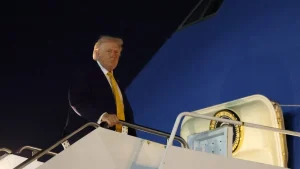
Venezuela’s interim leadership moved swiftly to project unity and calm on the world stage following the U.S. capture of its longtime leader Nicolás Maduro, releasing a public message that emphasized peace, sovereignty, and a surprising openness to dialogue with Washington.
In a statement shared on social media, Venezuela’s acting president Delcy Rodríguez said the country’s political leadership remains united and committed to stability despite what she described as an unprecedented moment in the nation’s history. Her remarks came amid global scrutiny and rising tensions following confirmation by U.S. officials that Maduro had been captured and removed from Venezuelan territory.
Rather than escalating rhetoric, Rodríguez struck a conciliatory tone, framing the moment as an opportunity to reset relations and avoid further conflict.


A Call for Peace Over Confrontation
In her message, Rodríguez said Venezuela “reaffirms its commitment to peace and peaceful coexistence,” underscoring that the country aspires to live “without external threats” and within a framework of international cooperation.
She emphasized that peace at the global level begins with stability inside individual nations, signaling that Venezuela’s interim leadership is seeking to avoid internal unrest or a broader regional crisis.
“Global peace is built by first guaranteeing peace within each nation,” Rodríguez said, framing Venezuela as a country seeking calm rather than confrontation in the wake of dramatic developments.
An Unexpected Invitation to Washington
Perhaps the most striking element of the statement was Rodríguez’s direct invitation to the United States to collaborate on a shared agenda.
She said Venezuela wishes to move toward “balanced and respectful international relations” with the United States, rooted in principles of sovereign equality and non-interference. According to Rodríguez, these principles would guide Venezuela’s diplomacy not only with Washington but with countries throughout the region.
The interim government, she said, is open to cooperation focused on “shared development” and grounded in international law — language that stood in sharp contrast to the combative exchanges that have defined U.S.–Venezuela relations in recent years.

Unity Message Amid Uncertainty
Rodríguez made clear that Venezuela’s leadership remains united behind Maduro despite his absence, insisting that the message of peace and dialogue reflects the will of the nation as a whole.
“This has always been President Nicolás Maduro’s message, and it is the message of all of Venezuela right now,” she said, positioning herself as a steward of continuity rather than a break from the past.
Her remarks appeared aimed at reassuring both domestic audiences and international observers that Venezuela’s institutions remain intact and that no immediate power struggle is unfolding behind the scenes.
Addressing President Trump Directly
In a notable passage, Rodríguez addressed Donald Trump by name, saying that Trump, the Venezuelan people, and the broader region “deserve peace and dialogue, not war.”
The statement avoided inflammatory language and did not directly challenge the legality of Maduro’s capture, instead focusing on aspirations for coexistence and a shared future free from conflict.
Rodríguez framed her appeal as deeply personal, saying she has dedicated her life to a vision of Venezuela where citizens can come together despite political differences.
Regional and International Implications
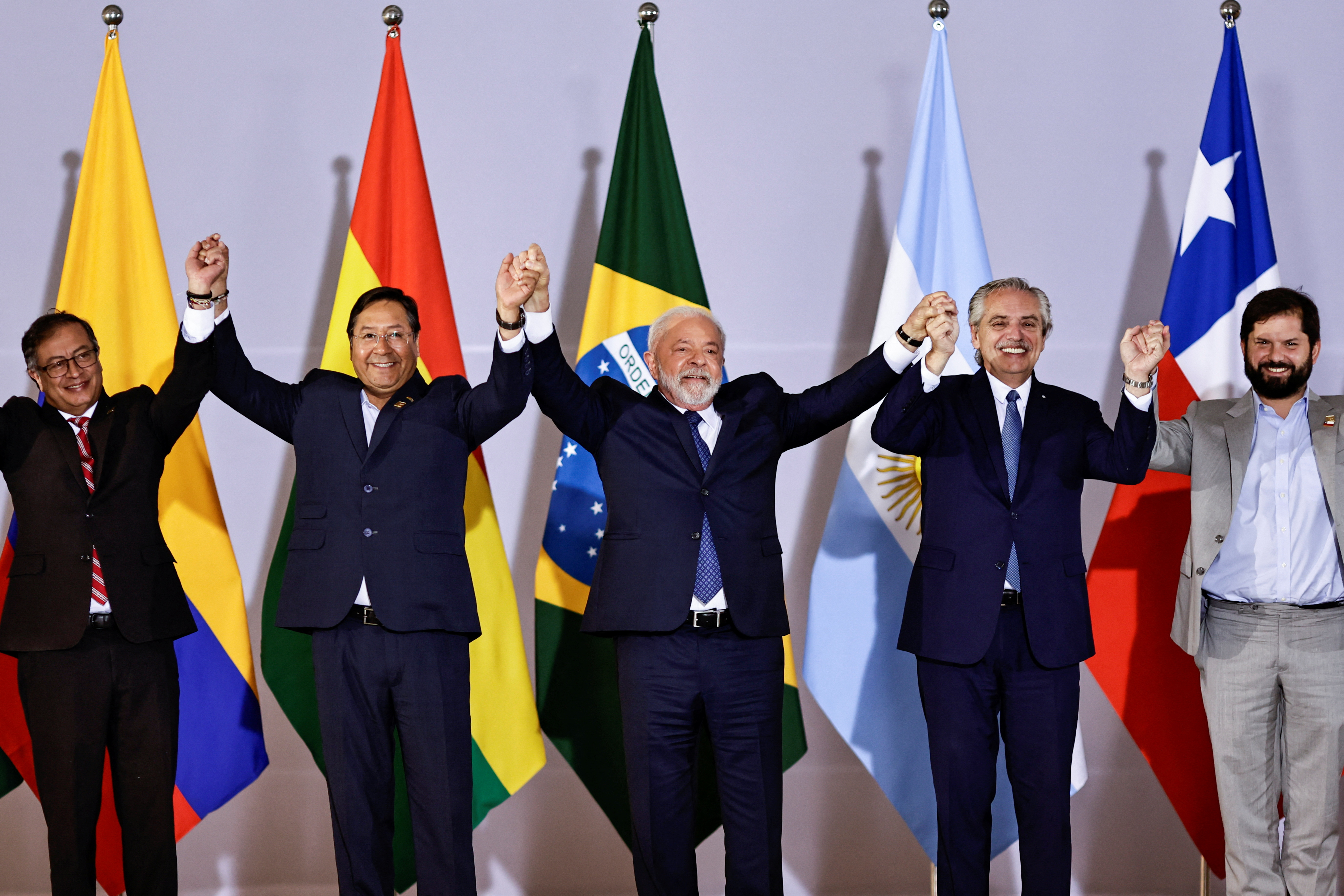
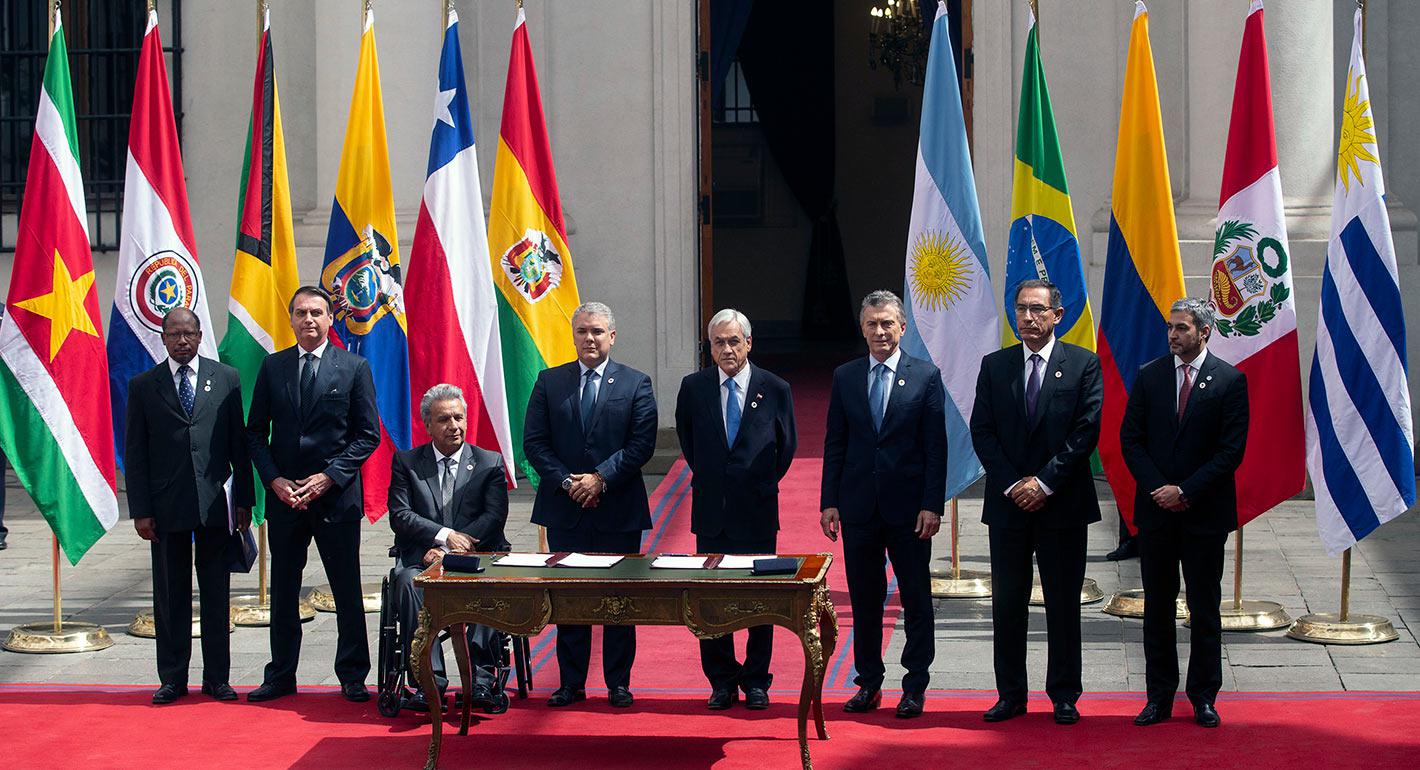
The message arrives at a delicate moment for Latin America, where governments are watching closely to see how Venezuela’s internal situation evolves following Maduro’s capture.
Some regional leaders have warned that escalation could destabilize neighboring countries or spark refugee flows, while others are waiting to see whether Venezuela’s interim leadership can maintain order and prevent violence.
By emphasizing dialogue and cooperation, Rodríguez appears to be signaling to neighboring states that Venezuela does not intend to retaliate militarily or provoke broader instability.
A Shift in Tone, If Not Policy
While the statement marks a softer tone, analysts caution that it does not necessarily signal a dramatic shift in policy. Venezuela’s leadership continues to stress sovereignty and non-interference — principles that have long underpinned its resistance to U.S. pressure.
Still, the invitation for cooperation stands out as an attempt to reframe the narrative at a moment when Venezuela could easily have chosen defiance or condemnation.
Observers note that the message may also be aimed at international institutions and neutral countries, positioning Venezuela as the party seeking peace while placing pressure on Washington to respond carefully.
Domestic Stability the Top Priority
Inside Venezuela, officials have emphasized the need to preserve order and prevent unrest following news of Maduro’s capture. Rodríguez’s statement appeared designed to calm nerves and discourage protests or confrontations that could spiral out of control.
She spoke of her hope for a Venezuela where “all good Venezuelans can come together,” an appeal to unity that may resonate with citizens weary of years of political turmoil, economic hardship, and international isolation.
What the Statement Did Not Say
Notably absent from Rodríguez’s message were details about Maduro’s location, legal status, or the interim government’s next steps. She did not confirm whether Venezuela has direct communication with U.S. authorities or whether any formal negotiations are underway.
Instead, the focus remained on principles and aspirations rather than specifics — a move that leaves room for maneuver as events continue to unfold.
A Moment That Could Shape Venezuela’s Future
Whether Rodríguez’s call for dialogue leads to meaningful engagement remains uncertain. Much will depend on how Washington responds and whether both sides can move beyond years of hostility.
For now, Venezuela’s interim leadership has chosen a message of restraint, unity, and outreach at a moment when tensions could easily escalate.
As the world watches closely, Rodríguez’s words signal that Venezuela is positioning itself not as a nation in collapse, but as one seeking peace, sovereignty, and a future shaped through dialogue rather than force.

Emily Johnson is a critically acclaimed essayist and novelist known for her thought-provoking works centered on feminism, women’s rights, and modern relationships. Born and raised in Portland, Oregon, Emily grew up with a deep love of books, often spending her afternoons at her local library. She went on to study literature and gender studies at UCLA, where she became deeply involved in activism and began publishing essays in campus journals. Her debut essay collection, Voices Unbound, struck a chord with readers nationwide for its fearless exploration of gender dynamics, identity, and the challenges faced by women in contemporary society. Emily later transitioned into fiction, writing novels that balance compelling storytelling with social commentary. Her protagonists are often strong, multidimensional women navigating love, ambition, and the struggles of everyday life, making her a favorite among readers who crave authentic, relatable narratives. Critics praise her ability to merge personal intimacy with universal themes. Off the page, Emily is an advocate for women in publishing, leading workshops that encourage young female writers to embrace their voices. She lives in Seattle with her partner and two rescue cats, where she continues to write, teach, and inspire a new generation of storytellers.