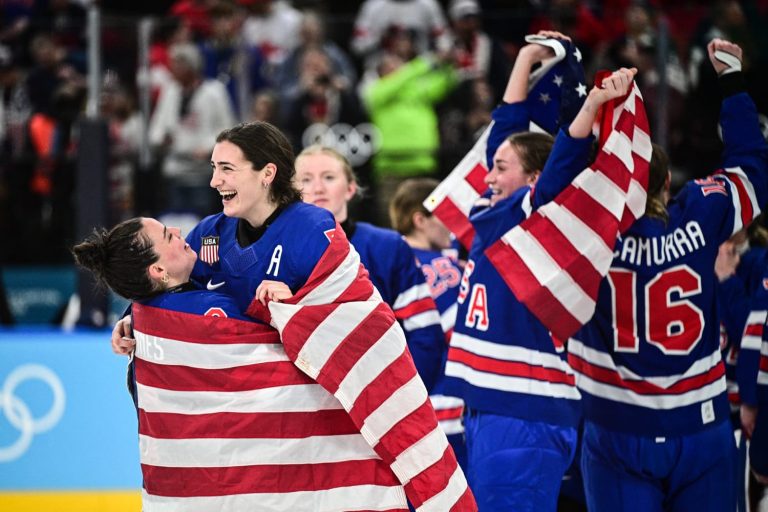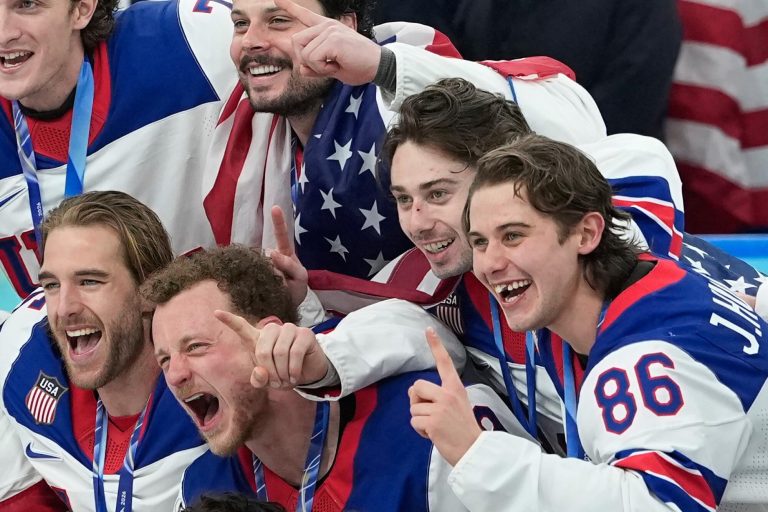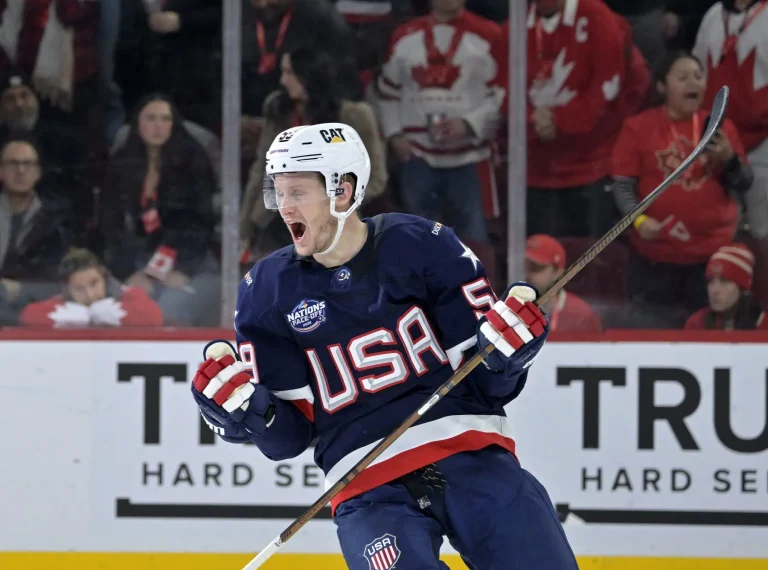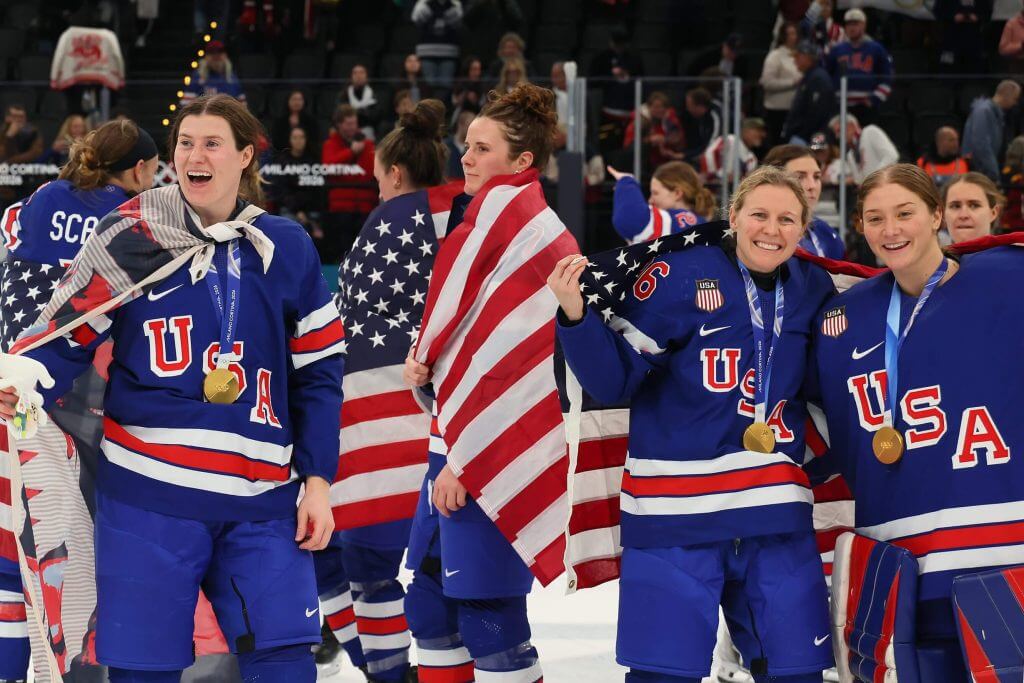
The U.S. women’s hockey team has once again made headlines, not just for their gold-medal victory at the Winter Olympics, but for the unique turn their post-Olympic celebrations have taken. Following their dramatic triumph over Canada in Milan, the team’s remarkable athletic performance was met with both national recognition and public attention to their choices off the ice. In a story that has captured the imagination of sports fans and pop culture followers alike, the team declined a presidential invitation but soon received an alternate offer for a “real” celebration, illustrating the growing intersection of sports achievement, public attention, and cultural recognition.
Olympic Glory in Milan
The U.S. women’s hockey team cemented their legacy once again by capturing gold at the Winter Olympics. The team’s victory over Canada was more than just a medal; it was a testament to years of preparation, strategy, and teamwork. With each Olympic appearance, the U.S. women’s team has consistently been a dominant force, medaling in every tournament they have entered. Their latest win in Milan continued this tradition of excellence, highlighting the depth of talent, discipline, and resilience within the squad.
The celebration following the final whistle was electric. Fans around the world shared in the excitement as the athletes lifted the trophy and embraced their hard-earned success. But the story of their victory did not end on the ice. The aftermath would see the team navigating the high-profile attention that comes with being Olympic champions in today’s media-saturated world.
The Presidential Invitation
In the days following their victory, President Donald Trump extended an invitation for the athletes to attend his upcoming State of the Union address. The gesture, ostensibly intended to honor the team’s achievements, quickly became a focal point in public discussions about the relationship between sports figures and political recognition.
While the invitation from the President of the United States is traditionally considered an honor for any athlete or team, the U.S. women’s hockey team opted to decline. A spokesperson for the team confirmed that pre-scheduled academic and professional commitments prevented them from attending. This explanation underscored the team’s dedication to responsibilities beyond the rink, signaling that even in the face of national attention and high-profile offers, the players prioritize their long-term careers and educational goals.
The decision to decline did not come as a surprise to those familiar with the team’s culture. U.S. women’s hockey has long emphasized the importance of balance between athletic ambition and personal development, and the choice reflected a consistent commitment to these values. It also sparked public conversation about how female athletes navigate recognition and opportunity in the context of high-profile political engagements, which can carry scrutiny, expectations, and unintended controversies.
Enter Flavor Flav: A Cultural Twist
In a strikingly different form of recognition, rapper and pop culture icon Flavor Flav extended a public invitation to the team to celebrate their achievement in Las Vegas. Known for his flamboyant persona and longstanding influence in music and entertainment, Flavor Flav offered what he described as a “real celebration,” complete with dinners, shows, and a festive gathering to honor the gold-medal-winning athletes.
Unlike formal political events, this invitation represented a celebration rooted in popular culture, highlighting the ways in which contemporary athletes are recognized not only for their performance but also for their cultural impact. The invitation quickly garnered attention online, with fans and commentators expressing excitement and curiosity about how the athletes might participate in such an event. The contrast between the structured, formal State of the Union invitation and Flavor Flav’s celebratory offer provided a vivid illustration of the diverse avenues of recognition available to athletes today.
The Meaning of Public Recognition
For the U.S. women’s hockey team, the dual invitations present an interesting commentary on the nature of recognition in modern sports. While a presidential invite carries the weight of formal acknowledgment and national prestige, the offer from Flavor Flav offers a more personal and entertainment-focused form of celebration. Both forms of recognition underscore the athletes’ visibility and influence, but they cater to different facets of public attention—one official, one cultural.
The decision to decline the State of the Union invitation while accepting, or at least entertaining, an alternate celebration also reflects the team’s ability to navigate these competing pressures thoughtfully. It shows that the athletes are not merely passive recipients of fame but are making conscious decisions about how they engage with opportunities that extend beyond the rink. In doing so, they maintain autonomy over their public image while balancing the demands of their professional and personal lives.
A Broader Discussion on Women’s Sports
This episode also contributes to ongoing discussions about the visibility and recognition of women’s sports. Historically, female athletes have received less attention than their male counterparts, and moments like these—where public invitations, both formal and informal, are extended—highlight how women’s achievements are increasingly celebrated in multiple arenas. The U.S. women’s hockey team continues to serve as a prominent example of excellence and professionalism, reinforcing the importance of providing platforms for women athletes to be recognized on their own terms.
The story also demonstrates the evolving nature of post-Olympic celebrations. In previous decades, recognition for Olympic success was largely ceremonial and institutional. Today, athletes encounter a wide spectrum of celebratory opportunities—from political honors to pop culture events—that allow them to connect with fans, sponsors, and wider communities in new and meaningful ways. Navigating these opportunities requires strategic thinking and a clear sense of personal and team values, which the U.S. women’s hockey team has exemplified.
The Team’s Legacy
At the core of all public attention, invitations, and celebrations lies the team’s fundamental achievement: their gold-medal victory. The U.S. women’s hockey team’s legacy is defined not by the invitations they receive, but by the dedication, skill, and perseverance demonstrated on the ice. Each Olympic win reinforces their status as a dominant force in international women’s hockey, inspiring future generations of athletes and reinforcing the value of teamwork and resilience.
The response to their post-Olympic invitations also reflects the broader context in which athletes operate today. Decisions about public appearances, endorsements, and celebrations are not made lightly—they involve careful consideration of scheduling, personal priorities, and public perception. By navigating these choices with clarity and professionalism, the team sets an example for other athletes in how to manage success responsibly.
Looking Forward
As the U.S. women’s hockey team continues its post-Olympic season, the focus remains on their ongoing performance, training, and professional development. While the headlines surrounding invitations and celebrations may capture temporary attention, the team’s enduring story is one of sustained excellence and commitment to their sport. Their ability to balance public recognition with personal and professional priorities underscores the strength of their character as much as their skill on the ice.
In the coming weeks, fans can expect continued interest in both the team’s athletic performance and the cultural conversations sparked by their post-Olympic decisions. Whether or not the athletes ultimately participate in Flavor Flav’s celebratory event, the very fact that such an invitation exists highlights the expanding landscape of recognition available to female athletes. It also emphasizes the ways in which sports achievements intersect with popular culture in the modern era, creating opportunities for engagement that are as varied as they are visible.
Conclusion
The U.S. women’s hockey team’s experience following their Olympic gold medal victory in Milan offers a compelling glimpse into the multifaceted nature of recognition and celebration for elite athletes. By declining a formal invitation from President Donald Trump and receiving an alternate offer from Flavor Flav, the team navigated a unique crossroads of politics, culture, and sport. Throughout, their commitment to professionalism, personal responsibility, and excellence has remained clear.
Ultimately, while invitations and public attention may come and go, the defining story remains the athletes’ remarkable achievement on the ice. Their victory not only strengthens their legacy within the sport but also serves as a symbol of dedication, perseverance, and success in the face of intense competition. As fans and observers continue to follow their journey, the U.S. women’s hockey team stands as a powerful example of how elite athletes can excel in both performance and personal agency, inspiring future generations to pursue excellence with integrity and purpose.

Emily Johnson is a critically acclaimed essayist and novelist known for her thought-provoking works centered on feminism, women’s rights, and modern relationships. Born and raised in Portland, Oregon, Emily grew up with a deep love of books, often spending her afternoons at her local library. She went on to study literature and gender studies at UCLA, where she became deeply involved in activism and began publishing essays in campus journals. Her debut essay collection, Voices Unbound, struck a chord with readers nationwide for its fearless exploration of gender dynamics, identity, and the challenges faced by women in contemporary society. Emily later transitioned into fiction, writing novels that balance compelling storytelling with social commentary. Her protagonists are often strong, multidimensional women navigating love, ambition, and the struggles of everyday life, making her a favorite among readers who crave authentic, relatable narratives. Critics praise her ability to merge personal intimacy with universal themes. Off the page, Emily is an advocate for women in publishing, leading workshops that encourage young female writers to embrace their voices. She lives in Seattle with her partner and two rescue cats, where she continues to write, teach, and inspire a new generation of storytellers.