

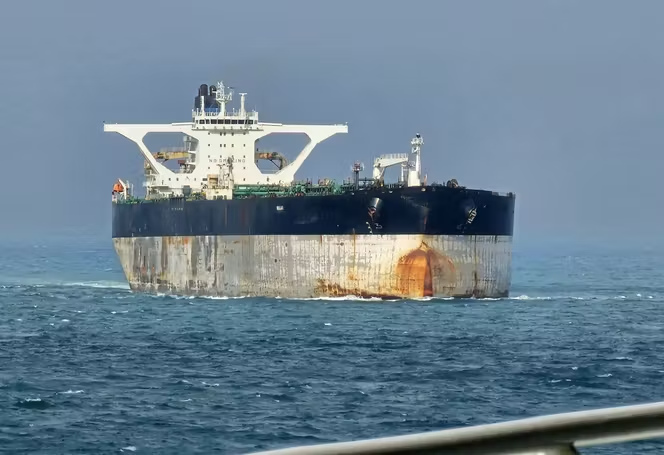
The United States has seized two oil tankers linked to Venezuela in a pair of closely coordinated predawn maritime operations, marking a significant escalation in Washington’s enforcement of sanctions against illicit oil shipments tied to the South American nation. U.S. officials confirmed Wednesday that the vessels, identified as the Motor Tanker Bella 1 and the Motor Tanker Sophia, were apprehended in international waters during back-to-back actions in the North Atlantic and the Caribbean Sea.
The seizures were carried out by U.S. Coast Guard tactical teams working alongside personnel from the Department of Defense, the Department of Justice, and the Department of State. According to senior officials, the operations were conducted under federal court warrants and followed weeks of intelligence gathering and maritime tracking.
Homeland Security Secretary Kristi Noem described the interdictions as a clear demonstration of the United States’ commitment to enforcing sanctions and preventing illicit oil trade that, according to Washington, deprives the Venezuelan people of national resources while funding unlawful activity.
A Two-Week Chase Ends at Sea
The most complex of the two operations involved the Bella 1, a tanker that U.S. authorities had been tracking for more than two weeks as it sailed through international waters in the North Atlantic. Officials said the vessel had been attempting to evade U.S. enforcement while continuing to operate in violation of sanctions imposed on Venezuelan oil exports.
During the pursuit, the tanker allegedly took extraordinary measures to conceal its identity, including changing its name, repainting markings on its hull, and altering its flag registration. U.S. officials described these actions as deliberate attempts to obscure the vessel’s origin and destination and to avoid detection by international maritime authorities.
Despite harsh weather conditions and long distances, the U.S. Coast Guard cutter Munro maintained continuous surveillance. Tactical boarding teams eventually moved in and seized the tanker under the authority of a federal warrant. The operation was completed without injuries or damage to the vessel.
Secretary Noem praised the Coast Guard crew involved in the operation, highlighting their persistence, professionalism, and ability to operate safely under challenging conditions. She emphasized that the mission required constant vigilance and coordination across multiple agencies.
Russian Presence Raises Tensions
The seizure of the Bella 1 carried broader geopolitical implications due to the reported presence of Russian naval assets in the region during the pursuit. U.S. officials acknowledged that Russian vessels had been operating nearby earlier in the operation, raising concerns about possible escalation.
Although no confrontation occurred at the time of the boarding, the involvement of Russian assets underscored the increasingly complex international dynamics surrounding sanctioned oil shipments. U.S. officials stressed that the operation was conducted in accordance with international law and under proper legal authority.
Moscow later criticized the seizure, calling it unlawful and accusing the United States of overreach. U.S. officials rejected those claims, stating that the tanker had violated sanctions and was operating under deceptive practices that justified enforcement action.
Second Tanker Seized in Caribbean
Only hours after the Bella 1 was taken into custody, U.S. authorities executed a second operation in the Caribbean Sea, seizing the Motor Tanker Sophia. Officials said the vessel was engaged in illicit activities and was either en route to Venezuela or had recently departed from Venezuelan waters.
The boarding of the Sophia was described as swift and uneventful. U.S. Coast Guard teams approached the vessel, conducted a compliance inspection, and assumed control without resistance. The tanker was then escorted under U.S. authority for further legal proceedings.
Officials stated that the Sophia, like the Bella 1, was part of a broader network of vessels commonly referred to as a “dark fleet.” These ships are known for operating with disabled tracking systems, false documentation, and frequent changes in registration to avoid detection while transporting sanctioned oil.
Enforcement of Sanctions Intensifies
The dual seizures reflect a broader strategy by the United States to aggressively enforce sanctions against Venezuelan oil exports. U.S. officials have long argued that illegal oil shipments undermine international sanctions regimes and allow sanctioned governments to generate revenue outside lawful channels.
Secretary of War Pete Hegseth said the operations demonstrate that the U.S. maritime blockade of illicit Venezuelan oil remains fully active. He emphasized that the United States will continue to interdict vessels involved in unauthorized oil transport, regardless of where they operate on the high seas.
According to U.S. authorities, the goal is not to restrict legitimate global energy trade but to prevent illegal shipments that fund criminal activity and sanctioned actors. Officials stressed that only lawful energy commerce, as recognized under U.S. sanctions policy, will be permitted.
Legal Basis for the Seizures
U.S. officials said both tankers were seized pursuant to warrants issued by federal courts after investigations determined the vessels had violated U.S. sanctions and maritime laws. The United States asserts the right to enforce these laws against vessels operating in international waters when they engage in sanctionable conduct or attempt to evade legal oversight.
The Department of Justice is expected to pursue forfeiture proceedings against the seized vessels, which could ultimately place them under U.S. control or result in their sale. Crew members aboard the tankers are being treated in accordance with international maritime standards, officials said.
Legal experts note that while such seizures are rare, they are not unprecedented, particularly when vessels are deemed to be operating without legitimate national registration or in violation of international norms.
Link to Broader Venezuela Policy
The tanker seizures come amid a dramatic shift in U.S. policy toward Venezuela. Just days earlier, U.S. military forces conducted a surprise nighttime operation in Caracas that resulted in the capture of Venezuelan President Nicolás Maduro and his wife. The two are currently being held in U.S. federal custody and face charges related to narcoterrorism and weapons trafficking.
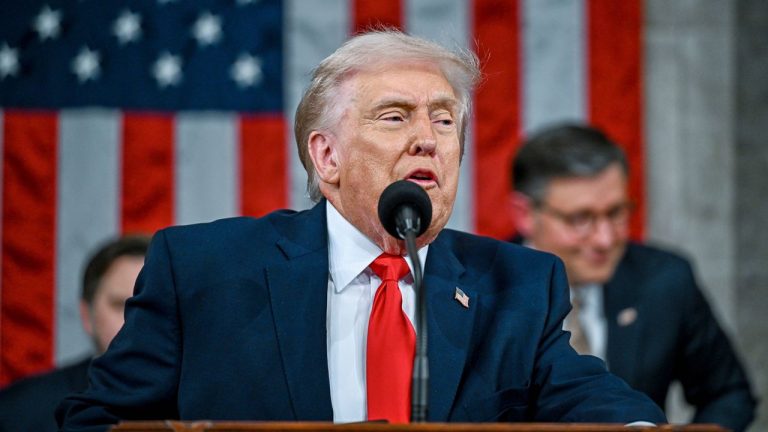
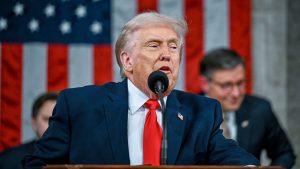
Following that operation, President Donald Trump indicated that Venezuela could be required to transfer tens of millions of barrels of oil to the United States as part of a broader restructuring of the country’s oil industry under international oversight.
Administration officials have framed these actions as part of a comprehensive effort to dismantle illicit networks, restore accountability, and redirect Venezuela’s natural resources toward lawful and transparent use.
International Reactions and Market Implications
The seizures have sparked international debate over maritime enforcement and the reach of U.S. sanctions. Some governments have expressed concern about the precedent set by such operations, while others have quietly welcomed tougher action against illicit oil trading.
Energy markets reacted cautiously, with analysts monitoring whether increased enforcement could disrupt global supply chains or drive changes in shipping routes. U.S. officials downplayed the risk of broader disruption, noting that the seized vessels represent a small fraction of global oil transport.
Nonetheless, the operations highlight the growing use of maritime enforcement as a tool of foreign policy, particularly in disputes involving energy resources and sanctions compliance.
What Comes Next
U.S. officials say additional maritime operations are possible as intelligence agencies continue to track vessels suspected of transporting sanctioned oil. The Coast Guard, along with allied partners, is expected to expand monitoring of shipping lanes commonly used by the so-called dark fleet.
The administration has signaled that enforcement will remain aggressive, emphasizing that attempts to evade sanctions through deception or foreign escort will not deter U.S. action.
As legal proceedings move forward and international reactions continue to unfold, the seizures of the Bella 1 and Sophia stand as a clear signal that the United States is prepared to project enforcement power far beyond its shores in pursuit of its sanctions policy.

Emily Johnson is a critically acclaimed essayist and novelist known for her thought-provoking works centered on feminism, women’s rights, and modern relationships. Born and raised in Portland, Oregon, Emily grew up with a deep love of books, often spending her afternoons at her local library. She went on to study literature and gender studies at UCLA, where she became deeply involved in activism and began publishing essays in campus journals. Her debut essay collection, Voices Unbound, struck a chord with readers nationwide for its fearless exploration of gender dynamics, identity, and the challenges faced by women in contemporary society. Emily later transitioned into fiction, writing novels that balance compelling storytelling with social commentary. Her protagonists are often strong, multidimensional women navigating love, ambition, and the struggles of everyday life, making her a favorite among readers who crave authentic, relatable narratives. Critics praise her ability to merge personal intimacy with universal themes. Off the page, Emily is an advocate for women in publishing, leading workshops that encourage young female writers to embrace their voices. She lives in Seattle with her partner and two rescue cats, where she continues to write, teach, and inspire a new generation of storytellers.