Serious questions are emerging over the fate of American-funded humanitarian assistance in one of the world’s most fragile nations, as U.S. officials quietly launched an internal review following disturbing allegations involving food aid meant for civilians facing extreme poverty and hunger.
The situation came into sharper focus after reports circulated that large quantities of emergency food supplies had vanished under suspicious circumstances, prompting concern among U.S. officials responsible for overseeing foreign assistance programs. The allegations center on aid shipments intended to reach some of the most vulnerable families in East Africa—aid that, according to multiple accounts, may never have reached those it was meant to serve.
At the heart of the controversy are claims that a warehouse connected to international relief operations was deliberately destroyed and that massive amounts of food assistance were seized before distribution. The food in question was reportedly earmarked for communities already struggling with food insecurity, conflict, and recurring drought.
U.S. officials familiar with the matter said the reports raised immediate red flags, particularly given the scale of the alleged losses and the long-standing challenges associated with delivering aid in unstable regions.
A Humanitarian Lifeline Under the Microscope
For years, the United States has been one of the largest donors supporting food and development programs in Somalia, a country that has endured decades of conflict, political instability, and recurring humanitarian crises. American funding has supported emergency food deliveries, nutrition programs for children, vaccination campaigns, and cash assistance aimed at helping families survive droughts and displacement.
Much of that aid has been distributed through international organizations, including the World Food Programme, which plays a central role in coordinating food relief across the country. These programs are often described as lifelines for millions of people who rely on external assistance to meet basic needs.
But the latest allegations suggest that the system designed to protect and deliver that aid may have been compromised.
According to individuals briefed on the reports, tens of metric tons of food supplies were allegedly diverted, raising concerns not only about corruption but also about the safety of humanitarian workers and the integrity of aid operations on the ground.
Internal Warnings and Long-Ignored Complaints
Adding to the controversy, a Somali lawmaker has come forward claiming that concerns about fraud and mismanagement were raised with U.S. officials years ago—but were not acted upon.
Abdillahi Hashi Abib, a member of Somalia’s parliament who sits on its foreign affairs committee, said he repeatedly tried to alert American officials to what he described as systemic abuse within aid programs. According to Abib, those warnings included allegations of embezzlement, mismanagement, and diversion of food assistance away from intended recipients.
“I was treated as if I were the problem for holding Somali officials and senior aid administrators accountable,” Abib said in a statement. “Meanwhile, the theft of food aid for the most vulnerable continued unchecked.”
Abib has called for an independent investigation, arguing that ordinary Somalis should not be punished for the alleged actions of a small group of officials. He urged Washington to separate humanitarian needs from political accountability as the situation unfolds.
Mounting Pressure Inside the Trump Administration
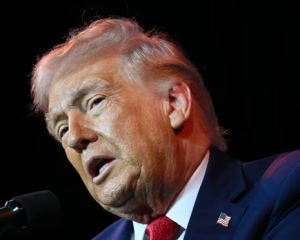
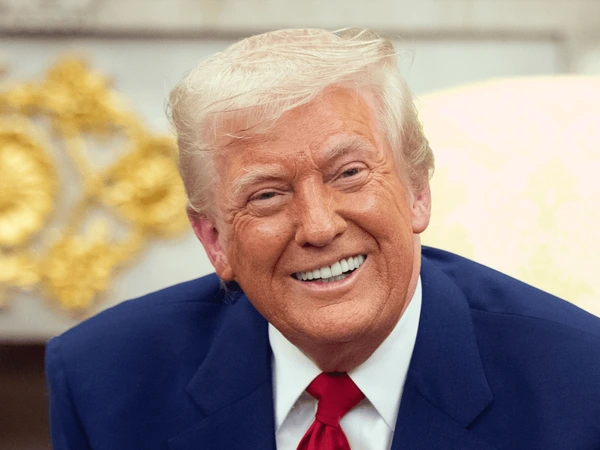
As the allegations gained traction, officials within the administration of Donald Trump began weighing how to respond. Senior figures emphasized that any misuse of taxpayer-funded aid would be taken seriously, especially when it involves life-saving assistance.
Behind the scenes, the issue quickly became part of a broader effort by the administration to crack down on waste, fraud, and abuse in federal spending overseas. Officials said the allegations involving Somalia fit into a larger pattern of concerns about oversight and accountability in foreign aid programs.
That scrutiny has been especially intense in cases where U.S. funds are routed through multiple layers of government agencies and international organizations before reaching local communities.
Midway through the internal review, Washington made a decisive move.
The United States formally paused all assistance programs directed to the Somali federal government, citing deep concerns over the alleged theft and diversion of food aid. The decision marked a significant escalation and signaled that U.S. officials were no longer willing to proceed without clear accountability.
“The administration has a zero-tolerance policy for waste, theft, and diversion of life-saving assistance,” the U.S. Office of Foreign Assistance said in a public statement. Officials emphasized that the pause would remain in place until Somali authorities address the allegations and take concrete steps to prevent future abuse.
The State Department confirmed that no new aid would be released until the matter is resolved, underscoring that future assistance would be conditional on accountability and corrective action.
Billions at Stake and Lives on the Line
The financial stakes are substantial. In 2024 alone, the United States provided nearly $770 million in assistance connected to Somalia, according to government data. That funding supported a wide range of programs, from emergency food aid to logistical support for United Nations operations.
More than $100 million was allocated specifically for cash-based food assistance, while hundreds of millions more supported infrastructure and stabilization efforts.
Aid groups warn that even temporary pauses can have serious consequences on the ground. Somalia remains highly dependent on international assistance, with millions facing acute food insecurity due to drought, displacement, and ongoing violence.
Humanitarian organizations caution that any disruption in aid flows risks worsening conditions for families already living on the edge.
Silence From Key Institutions
The World Food Programme, which plays a central role in food distribution across Somalia, has not publicly commented on the specific allegations. Requests for clarification about the reported warehouse destruction and missing food supplies have gone unanswered.
Similarly, Somalia’s embassy in Washington did not immediately respond to inquiries seeking comment on the U.S. decision or the underlying claims.
The lack of public response has only intensified calls for transparency from both Somali officials and international partners involved in aid delivery.
Broader Political Implications
The aid pause comes amid a wider U.S. investigation into alleged fraud involving federal funds connected to Somali-linked programs in the United States, particularly in Minnesota. Administration officials have described the situation as part of a “whole-of-government” effort to root out misuse of public money wherever it occurs.
While officials stress that humanitarian assistance remains a priority, they argue that continued funding without safeguards would undermine public trust and ultimately harm the people the programs are meant to help.
For Somalia, the decision places additional pressure on a government already grappling with security challenges, political divisions, and economic fragility.
What Happens Next
U.S. officials say the pause is not necessarily permanent. Any resumption of aid will depend on concrete steps taken by Somali authorities to investigate the allegations, recover diverted resources where possible, and implement stronger oversight mechanisms.
In the meantime, humanitarian advocates are urging Washington to ensure that aid can still reach civilians through alternative channels, warning that the cost of inaction could be measured in human lives.
As investigations continue, the unfolding situation highlights a familiar dilemma in foreign assistance: how to balance accountability with urgency when the world’s poorest populations are caught in the middle.

Emily Johnson is a critically acclaimed essayist and novelist known for her thought-provoking works centered on feminism, women’s rights, and modern relationships. Born and raised in Portland, Oregon, Emily grew up with a deep love of books, often spending her afternoons at her local library. She went on to study literature and gender studies at UCLA, where she became deeply involved in activism and began publishing essays in campus journals. Her debut essay collection, Voices Unbound, struck a chord with readers nationwide for its fearless exploration of gender dynamics, identity, and the challenges faced by women in contemporary society. Emily later transitioned into fiction, writing novels that balance compelling storytelling with social commentary. Her protagonists are often strong, multidimensional women navigating love, ambition, and the struggles of everyday life, making her a favorite among readers who crave authentic, relatable narratives. Critics praise her ability to merge personal intimacy with universal themes. Off the page, Emily is an advocate for women in publishing, leading workshops that encourage young female writers to embrace their voices. She lives in Seattle with her partner and two rescue cats, where she continues to write, teach, and inspire a new generation of storytellers.