

The U.S. Department of State has reissued one of its most urgent travel alerts, warning that all American citizens and lawful permanent residents still in Venezuela should leave the country immediately. The advisory, updated on December 3, keeps Venezuela at Level 4: Do Not Travel, the highest level of warning issued by the U.S. government.
The notice emphasizes that the current political and security situation poses severe risks to Americans and that remaining in Venezuela could lead to life-threatening consequences. According to the department, Americans should avoid the country “for any reason,” and those who are already inside its borders must depart as soon as possible.
The strongest warning the U.S. issues
In its statement, the State Department reiterated that the Venezuela advisory “remains at Level 4, Do Not Travel,” reflecting the extreme danger in the country. The alert cites a long list of threats: wrongful detention, torture in detention, terrorism, kidnapping, arbitrary enforcement of local laws, violent crime, civil unrest, and a collapsing health-care system.
The warning further stresses that U.S. officials often cannot intervene if Americans are detained. According to the department, Venezuelan authorities have held U.S. citizens “for up to five years without respect for due process,” and the U.S. government is frequently not notified when an arrest occurs. Access to detainees is regularly denied.
Human rights organizations and past detainees have confirmed reports of abuses, describing treatment inside Venezuelan facilities as “cruel, inhumane, or degrading.”
Tensions rise as Trump administration tightens pressure
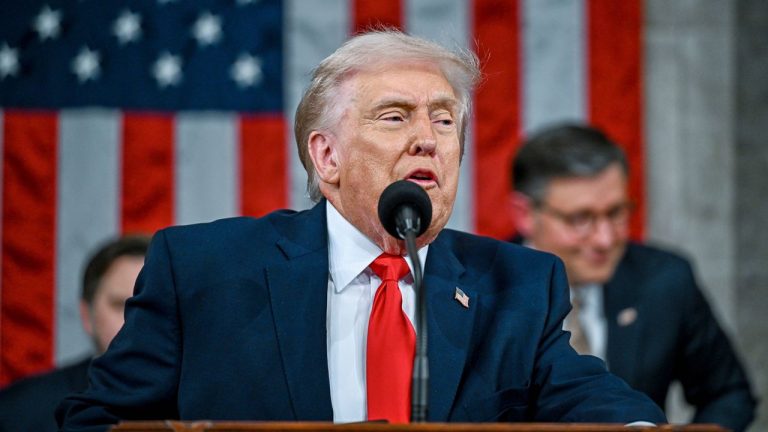
The renewed travel alert comes during heightened efforts by the Trump administration to intensify pressure on the Nicolás Maduro regime. Washington has increasingly targeted drug trafficking networks, armed groups, and other criminal organizations operating within the country.
In recent days, the situation escalated after President Donald Trump announced that he was closing U.S. airspace above and around Venezuela, making a public declaration on Truth Social:
“To all Airlines, Pilots, Drug Dealers, and Human Traffickers, please consider THE AIRSPACE ABOVE AND SURROUNDING VENEZUELA TO BE CLOSED IN ITS ENTIRETY.”
The warning followed a separate alert issued by the Federal Aviation Administration (FAA), which cautioned pilots and commercial airlines about a “potentially hazardous situation.” According to the FAA, increased military activity, instability, and unpredictable security conditions could threaten aircraft at any altitude.
Security agencies cite severe risks to Americans
The State Department’s advisory outlines the risks facing Americans who remain. Among the most serious concerns is wrongful detention, which has become increasingly common. The advisory notes that security forces have detained U.S. citizens arbitrarily—sometimes without charges—and that detainees may be held in isolation, denied court hearings, or subjected to abuse.
In addition to political repression, the alert emphasizes the prevalence of violent crime, which remains a daily threat throughout the country. Kidnapping, armed robbery, extortion, and gang activity are widespread, with criminals frequently operating with impunity.
The advisory also warns that Venezuelan police and paramilitary groups have used extreme force during protests, often escalating demonstrations into violent clashes. Tear gas, pepper spray, and rubber bullets have been used against crowds, and some protests have devolved into vandalism, looting, and street confrontations.
Further complicating the situation are Colombian terrorist groups that operate along Venezuela’s borders with Colombia, Brazil, and Guyana—areas known for smuggling, trafficking, and clashes with local security forces.
Basic necessities remain difficult to obtain
Venezuela’s ongoing economic and infrastructure collapse has created shortages across critical sectors. The advisory highlights persistent deficits in fuel, electricity, clean water, medicine, and medical supplies. Many regions experience frequent blackouts, limited access to hospitals, and delays in emergency services.
For travelers or residents requiring medical treatment, the lack of medicine and trained staff poses serious risks. The government warns that Americans who rely on medications should not expect to find them reliably within the country and should consider the consequences of medical emergencies where no functioning support system exists.
Land borders also pose serious risks
One of the strongest statements in the advisory warns that “there is no safe way to travel to Venezuela.” Even stepping a few feet across a land border—from Colombia, Brazil, or Guyana—can result in detention by Venezuelan forces.
American citizens are urged to avoid all border regions, which are heavily militarized and unpredictable. Authorities and armed groups in these areas may detain travelers, question them, confiscate documents, or accuse them of criminal activity with little or no evidence.
No embassy, no consular services
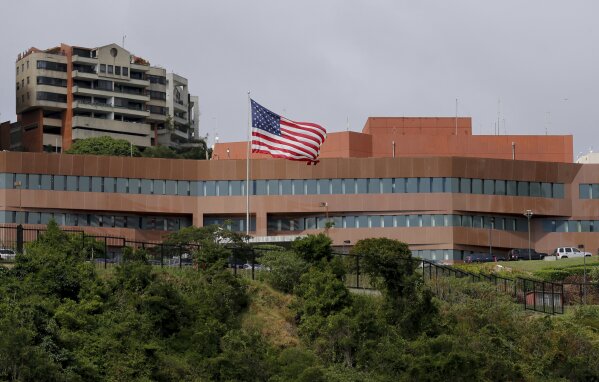
Since March 2019, the United States has withdrawn all diplomatic personnel from its embassy in Caracas. With the embassy closed, the U.S. government cannot provide:
-
emergency services
-
routine consular assistance
-
help with lost or stolen passports
-
aid to Americans in detention
-
evacuation support
This lack of on-the-ground support significantly increases the danger for U.S. citizens and residents in Venezuela.
The U.S. Embassy Bogotá (in Colombia) handles Venezuela-related cases remotely, but options are extremely limited. Individuals in danger may have no safe path to contact American officials.
Trump administration remains outspoken on Venezuela
The renewed advisory appears to align with the Trump administration’s broader strategy against the Maduro government, which Washington continues to describe as illegitimate and tied to narcotics trafficking networks.
The United States has previously sanctioned dozens of Venezuelan officials, restricted economic activity with state-controlled enterprises, and called for international pressure to be maintained. The administration has also accused the Maduro regime of harboring criminal groups and allowing foreign terrorist organizations to operate with impunity.
What Americans still in Venezuela should do
For the small number of U.S. citizens who remain in the country—some of whom may have family ties, business interests, or personal circumstances that complicate departure—the State Department urges immediate action.
The advisory recommends the following steps:
-
Make plans to depart as soon as possible, using commercial flights while available.
-
Ensure you have a contingency plan that does not rely on U.S. government assistance.
-
Bring a sufficient supply of essential medications, including backups.
-
Maintain secure communication channels and avoid public discussions of travel.
-
Be extremely cautious about travel inside the country.
-
Enroll in the Smart Traveler Enrollment Program (STEP) to receive updates and security information.
With the embassy closed and security deteriorating, even minor incidents—such as car accidents, medical emergencies, or police interactions—can quickly escalate into dangerous situations.
A situation expected to remain unstable
Analysts warn that Venezuela’s domestic outlook shows no signs of stabilizing soon. The Maduro regime continues to face deep economic turmoil, widespread corruption allegations, shortages of essential goods, and strong opposition activity.
Given the country’s political tensions, military posture, and security environment, U.S. officials say the Level 4 advisory will likely remain in place for the foreseeable future.
The Department of State emphasizes that Americans should not interpret the warning lightly. As the advisory makes clear: travel to Venezuela at this time carries extreme and potentially life-threatening risks, and U.S. citizens still inside the country are urged to leave immediately while options remain.

Emily Johnson is a critically acclaimed essayist and novelist known for her thought-provoking works centered on feminism, women’s rights, and modern relationships. Born and raised in Portland, Oregon, Emily grew up with a deep love of books, often spending her afternoons at her local library. She went on to study literature and gender studies at UCLA, where she became deeply involved in activism and began publishing essays in campus journals. Her debut essay collection, Voices Unbound, struck a chord with readers nationwide for its fearless exploration of gender dynamics, identity, and the challenges faced by women in contemporary society. Emily later transitioned into fiction, writing novels that balance compelling storytelling with social commentary. Her protagonists are often strong, multidimensional women navigating love, ambition, and the struggles of everyday life, making her a favorite among readers who crave authentic, relatable narratives. Critics praise her ability to merge personal intimacy with universal themes. Off the page, Emily is an advocate for women in publishing, leading workshops that encourage young female writers to embrace their voices. She lives in Seattle with her partner and two rescue cats, where she continues to write, teach, and inspire a new generation of storytellers.