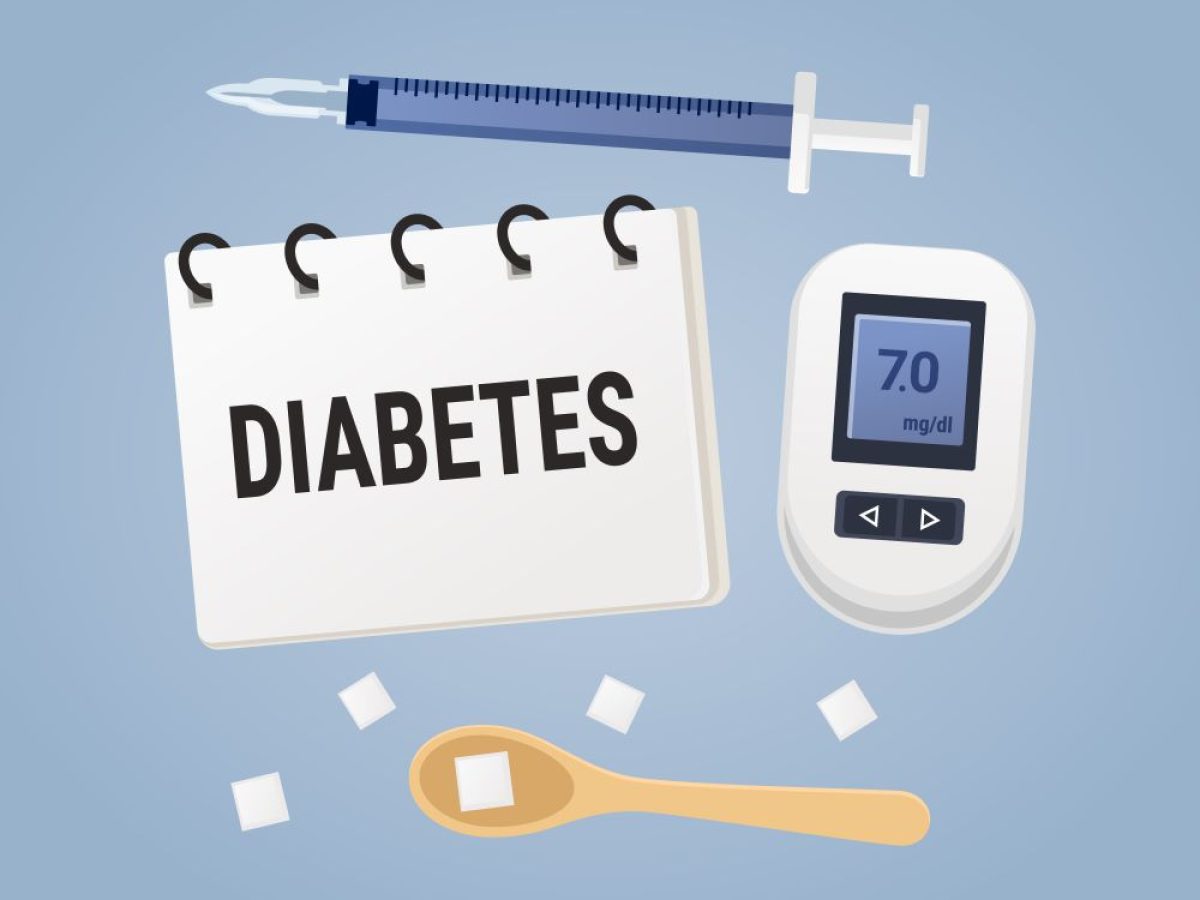
Millions of diabetics worldwide have been put on high alert following a major recall issued by a multinational health care company. The recall concerns certain continuous glucose monitoring (CGM) sensors that have been found to provide inaccurate blood sugar readings, a defect that can have serious, potentially fatal consequences for individuals managing diabetes. The recalled devices were distributed across 17 countries, highlighting the global reach of the problem and the urgency for patients to check whether they are using an affected monitor.
The recall stems from sensors that are intended to monitor blood sugar levels for both type 1 and type 2 diabetics. The devices, which are designed to provide continuous, real-time glucose readings, were found to give inaccurately low readings. According to the company, these defective readings may have been connected to seven reported deaths worldwide and more than 700 serious health incidents. Of those, 57 incidents occurred in the United States.
The company responsible for manufacturing the devices stressed that the issue originated from a single production line among many that produce the sensors, meaning that only a specific batch is affected. Nevertheless, diabetics using these monitors are being urged to immediately stop using the devices if they are among those impacted.
Diabetics rely on accurate glucose measurements to make crucial decisions regarding insulin administration, diet, and exercise. Inaccurate readings can mislead users in multiple ways. For instance, if a sensor reports a falsely high glucose reading when the actual level is low, the diabetic may fail to consume the fast-acting carbohydrates necessary to correct hypoglycemia. Conversely, a falsely low reading may cause an individual to administer insulin unnecessarily, driving their blood sugar dangerously low. Both scenarios carry life-threatening risks. Additionally, prolonged misreading can contribute to long-term complications, such as nerve damage, kidney disease, cardiovascular problems, and heightened risk of seizures or coma.
The sensors in question work by inserting a tiny, flexible filament just beneath the skin into the interstitial fluid. The sensor measures glucose levels enzymatically: glucose oxidase within the sensor reacts with glucose in the fluid, producing gluconic acid and a small electrical current. The device then interprets this current as the user’s glucose level. The results are transmitted to smartphones or dedicated monitors, allowing users to track blood sugar fluctuations throughout the day.
However, according to the recall notice, sampling of products from a single production line revealed that these sensors were providing readings that were consistently lower than the actual blood sugar levels. The company highlighted the potential consequences of prolonged exposure to incorrect readings. A diabetic relying on inaccurate low readings may overcompensate with carbohydrates or inappropriately adjust insulin doses. Both mistakes could result in serious health risks, including severe hypoglycemia, hyperglycemia, or other acute complications that can endanger life.
The global scope of the recall is substantial. Roughly three million defective sensors were distributed within the United States alone. Additional affected countries include Austria, Belgium, Canada, Denmark, Finland, France, Germany, Italy, Luxembourg, the Netherlands, New Zealand, Norway, Spain, Sweden, Switzerland, and the United Kingdom. The multinational recall emphasizes the widespread nature of the problem and the necessity for all affected diabetics to take immediate action.
Within the U.S., approximately 1.8 million people have type 1 diabetes, and roughly 34 million have type 2 diabetes. Among them, around 2.5 million rely on continuous glucose monitors to track blood sugar fluctuations accurately. For these patients, faulty readings are more than a mere inconvenience—they can be a direct threat to life.
The company has reassured users that production of unaffected sensors continues and that supply disruptions are not expected. In addition, a website has been established where consumers can verify whether their device is among the recalled units. The affected models include specific serial numbers and unique device identifiers for both standard and Plus sensor versions. Users are encouraged to check their device and contact their healthcare provider for guidance if they are affected.
Medical experts stress that inaccurate glucose readings, if left unchecked, can lead to a cascade of dangerous health outcomes. If a diabetic mistakenly believes that blood sugar levels are safe when they are not, they may fail to respond appropriately, creating a risk of hypoglycemia or hyperglycemia. Mismanagement over time can cause cumulative organ damage and raise the likelihood of acute emergencies, including seizures, loss of consciousness, and even coma.
The recall also highlights the critical importance of monitoring, not only for day-to-day blood sugar management but for the avoidance of long-term complications. Inaccurate readings may prompt users to skip insulin doses or take extra carbohydrates unnecessarily, potentially creating dramatic swings in glucose levels. These swings can contribute to vascular damage, renal strain, neuropathy, and cardiovascular events over time.
Company officials indicated that, while no major supply disruptions are expected, all patients should exercise caution. “The company continues to produce replacement and new orders to fulfill demand,” said an official statement. “Patients should immediately stop using affected sensors and consult their healthcare provider to manage their blood glucose safely.”
In addition to the U.S., reports of inaccurate readings and associated adverse events have been documented across multiple countries. This emphasizes that patients worldwide need to be proactive in identifying affected units. While not all devices are faulty, the risk of serious injury or death from continued use of compromised sensors is high enough to warrant immediate recall action.
Regulatory authorities, including the U.S. Food and Drug Administration (FDA), have been actively coordinating with the manufacturer to ensure that all affected consumers are informed promptly. Consumers are encouraged to register their device details online to confirm whether it is part of the recall. Abbott has also communicated with distributors and retailers to remove the affected units from shelves and alert all clients who may have received faulty devices.
The recall has reignited discussions about the reliance on continuous glucose monitoring technology, the need for rigorous quality assurance, and the potential consequences of even small technical errors. Diabetics and healthcare providers alike are urged to remain vigilant. Corrective measures taken by the company include reviewing the faulty production line, implementing enhanced safety checks, and monitoring replacement production batches to prevent recurrence.
Experts advise that individuals using any glucose monitoring system remain aware of the warning signs of both hypoglycemia and hyperglycemia. Symptoms such as dizziness, excessive sweating, confusion, blurred vision, nausea, palpitations, or extreme fatigue should be addressed immediately, with appropriate intervention guided by a healthcare professional. Even with a functioning sensor, these symptoms require verification through a secondary measurement, such as fingerstick testing.
In summary, this recall serves as a stark reminder of the critical role technology plays in modern diabetes management—and the potentially deadly consequences when such technology fails. Continuous monitoring devices are intended to provide diabetics with a reliable, convenient, and safe method for tracking glucose fluctuations. Any fault in this chain can have immediate and severe consequences.
Patients are urged to check their devices, stop using any affected sensor, consult their physician, and remain alert for symptoms indicative of abnormal blood sugar levels. Regulatory authorities continue to monitor the situation closely, and the company has pledged to work with all affected users to ensure replacement sensors are delivered promptly and safely.
By taking swift action, diabetics and their caregivers can reduce the risk of injury or death from the malfunctioning sensors. The recall is a reminder that even widely trusted medical technology must be rigorously monitored and that patients should remain vigilant to protect their health in the event of technical failure.

Emily Johnson is a critically acclaimed essayist and novelist known for her thought-provoking works centered on feminism, women’s rights, and modern relationships. Born and raised in Portland, Oregon, Emily grew up with a deep love of books, often spending her afternoons at her local library. She went on to study literature and gender studies at UCLA, where she became deeply involved in activism and began publishing essays in campus journals. Her debut essay collection, Voices Unbound, struck a chord with readers nationwide for its fearless exploration of gender dynamics, identity, and the challenges faced by women in contemporary society. Emily later transitioned into fiction, writing novels that balance compelling storytelling with social commentary. Her protagonists are often strong, multidimensional women navigating love, ambition, and the struggles of everyday life, making her a favorite among readers who crave authentic, relatable narratives. Critics praise her ability to merge personal intimacy with universal themes. Off the page, Emily is an advocate for women in publishing, leading workshops that encourage young female writers to embrace their voices. She lives in Seattle with her partner and two rescue cats, where she continues to write, teach, and inspire a new generation of storytellers.