




A Sudden Shift in Global Travel Rules
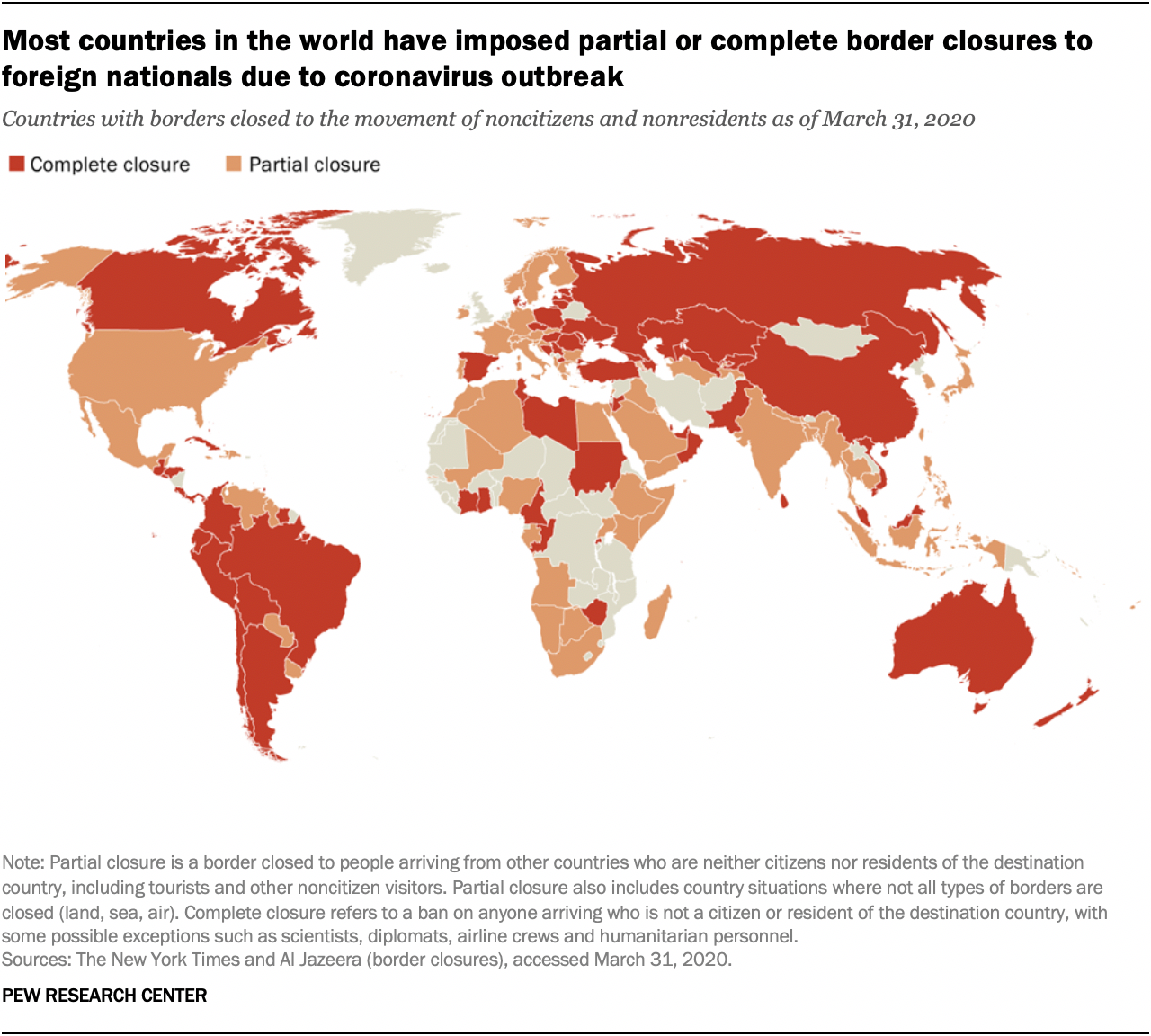
Two foreign governments have announced new restrictions on travelers from the United States, escalating tensions over immigration and border policy just days before a major calendar change takes effect. The move follows a sweeping set of travel measures announced earlier this month by the US government, which significantly expanded the list of countries facing entry limitations.
The decision marks a rare instance of direct reciprocity aimed specifically at American citizens and has raised concerns among travelers, diplomats, and international observers about how quickly travel rules can change in response to political decisions.
Officials in both countries cited sovereignty, fairness, and equal treatment as the basis for their actions.
The Broader Context Behind the Decision
In recent weeks, Washington has taken an increasingly hardline approach to immigration and border control. A new executive directive expanded visa restrictions on dozens of countries, citing national security, identity verification concerns, and enforcement gaps.
The updated list includes a mix of full and partial restrictions affecting travelers seeking visas, work permits, or entry clearance. While the policy was framed as a domestic security measure, it has had immediate international consequences.
Foreign governments affected by the changes were given little advance notice, prompting diplomatic backlash in some regions.

How Reciprocity Became the Key Argument
Officials abroad have repeatedly emphasized one guiding principle in their response: reciprocity. The idea is simple — if their citizens face heightened barriers entering the United States, Americans should expect similar treatment in return.
Diplomatic sources say the move was intended not as escalation, but as a signal that unilateral travel decisions can carry consequences. By mirroring US restrictions, the governments aim to force a reassessment of policies they believe unfairly target their nationals.
The response also reflects broader frustration among developing nations that feel disproportionately affected by Western travel controls.
Countries Involved Identified Midway
Only after days of speculation did officials confirm which nations were taking retaliatory action. The two governments imposing restrictions on American citizens are Mali and Burkina Faso.
Both countries had recently been added to the US travel restriction list, placing limits on visas and entry permissions for their nationals. In response, they announced they would apply the same conditions to Americans seeking to enter their territories.
The measures took effect immediately, catching many travelers off guard.

Official Statements Explain the Decision
Foreign ministries in both countries issued statements emphasizing that the action was not punitive, but procedural.
One ministry said the decision was made “in accordance with the principle of reciprocity,” adding that American nationals would now face the same visa requirements imposed on their own citizens by the United States.
Another official statement stressed that the policy was rooted in dignity and fairness, arguing that equal treatment is essential in international relations.
A Growing Regional Trend
The two countries are not acting alone. In recent days, another regional government announced it would permanently suspend visa issuance to US citizens, citing similar concerns over unequal treatment and respect.
That country, Niger, went even further by announcing an indefinite ban on entry for American nationals, according to regional news agencies.
Diplomatic analysts say this reflects a broader pattern among some governments that are increasingly willing to push back against Western travel policies.
What the US Government Has Said
The White House has defended its expanded travel restrictions, arguing that the president has a constitutional duty to protect national security and ensure that those entering the country do not pose a risk to public safety.
Officials emphasized that the measures are not blanket bans but targeted controls designed to address gaps in identity verification, border enforcement, and information-sharing.
However, critics argue the policy lacks transparency and risks alienating key regions.

Impact on American Travelers
For US citizens, the consequences are immediate. Travelers planning trips to the affected countries may now face:
-
Visa denials
-
Additional screening requirements
-
Delays or outright refusal of entry
-
Last-minute travel cancellations
Tour operators and airlines are urging passengers to verify entry rules before departure, noting that conditions can change rapidly.
US embassies have also advised citizens to monitor official government updates closely.
Why Timing Matters
The restrictions come just as new US travel rules are set to take effect on January 1, 2026. That timing has intensified scrutiny, as millions of travelers worldwide prepare for post-holiday and early-year trips.
Diplomatic sources say the end-of-year window was chosen deliberately to align with the implementation of the US measures and maximize pressure for reconsideration.
Wider Diplomatic Fallout
Beyond travel disruptions, the situation has raised broader questions about how immigration policy intersects with diplomacy. Analysts warn that tit-for-tat restrictions can escalate quickly, potentially affecting trade, aid programs, and security cooperation.
Others argue the response reflects a shifting global dynamic, where smaller nations are increasingly willing to assert leverage rather than accept unilateral decisions.
What Happens Next
It remains unclear whether the restrictions will remain temporary or evolve into longer-term policy. Some diplomats believe quiet negotiations could lead to exemptions or revisions, while others expect more countries to consider similar responses.
For now, travelers are advised to assume the restrictions will stay in place and plan accordingly.
Final Takeaway
What began as a domestic US policy decision has quickly turned into an international flashpoint, highlighting how interconnected global travel has become. As more countries reassess their relationships with Washington, travelers may increasingly find themselves caught in the middle of political decisions made far from the airport gate.
For Americans planning to travel abroad in 2026, the message is clear: check entry rules carefully — and often.

Emily Johnson is a critically acclaimed essayist and novelist known for her thought-provoking works centered on feminism, women’s rights, and modern relationships. Born and raised in Portland, Oregon, Emily grew up with a deep love of books, often spending her afternoons at her local library. She went on to study literature and gender studies at UCLA, where she became deeply involved in activism and began publishing essays in campus journals. Her debut essay collection, Voices Unbound, struck a chord with readers nationwide for its fearless exploration of gender dynamics, identity, and the challenges faced by women in contemporary society. Emily later transitioned into fiction, writing novels that balance compelling storytelling with social commentary. Her protagonists are often strong, multidimensional women navigating love, ambition, and the struggles of everyday life, making her a favorite among readers who crave authentic, relatable narratives. Critics praise her ability to merge personal intimacy with universal themes. Off the page, Emily is an advocate for women in publishing, leading workshops that encourage young female writers to embrace their voices. She lives in Seattle with her partner and two rescue cats, where she continues to write, teach, and inspire a new generation of storytellers.