
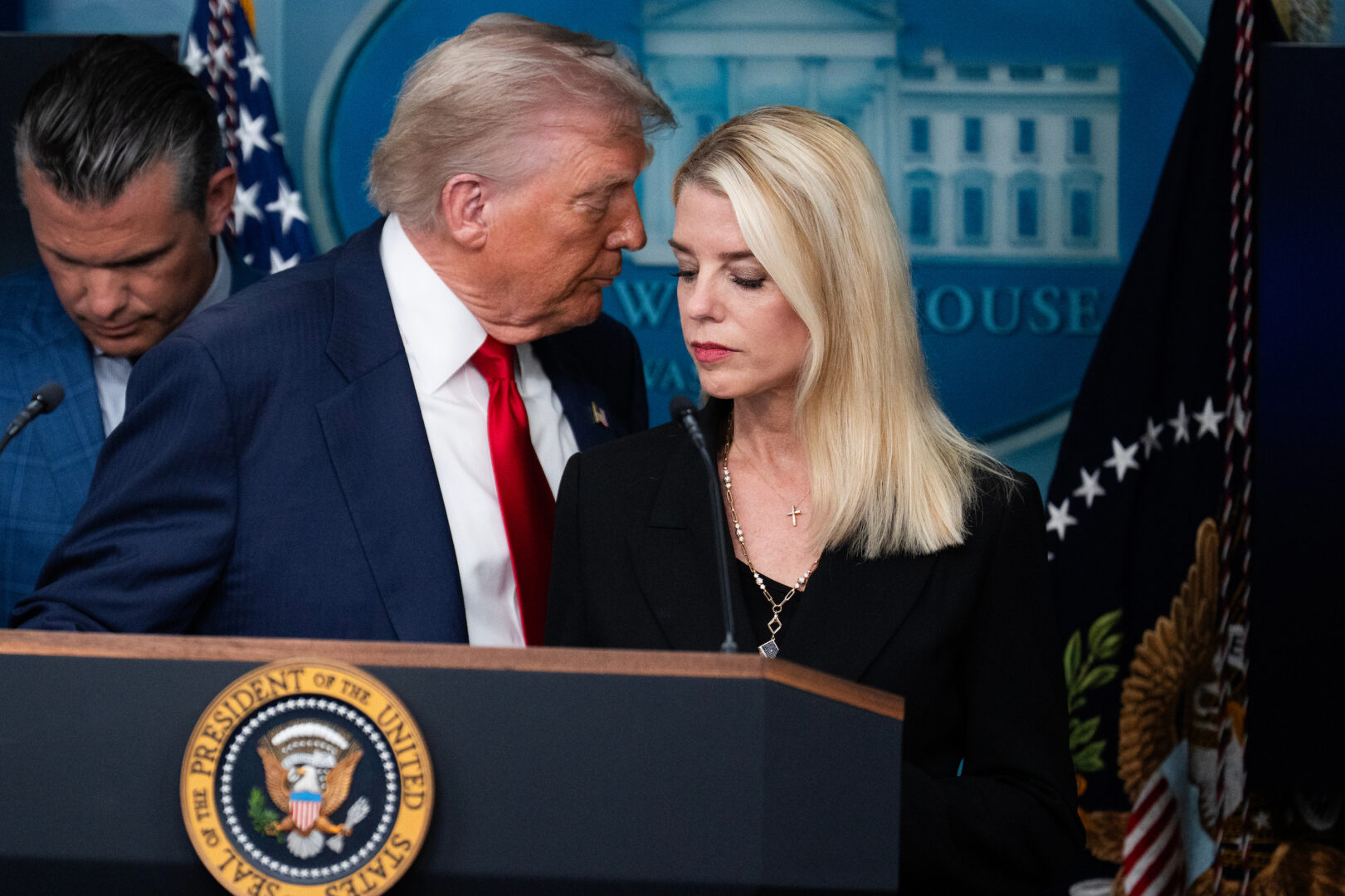
The Department of Justice is facing intense scrutiny after House Democrats alleged that it withheld critical documents from the so-called Epstein files, raising questions about transparency, accountability, and congressional oversight. The claims, first detailed by Representative Robert Garcia, suggest that portions of the records — long at the center of public fascination — were removed or withheld from review, potentially in violation of both a congressional subpoena and the Epstein Files Transparency Act.
The Epstein files, which pertain to the late financier Jeffrey Epstein, have been a source of controversy for years. Containing hundreds of thousands of documents, the records include names, accounts, and allegations involving high-profile figures worldwide, from politicians and celebrities to business executives. While some of the claims are verified, others remain unsubstantiated, and the documents have sparked widespread debate about accountability, secrecy, and the mechanisms by which powerful individuals are investigated.
According to Garcia, who sits on the House Oversight Committee, recent reviews of unredacted evidence logs reveal gaps in what was publicly released. “For the last few weeks, Oversight Democrats have been investigating the FBI’s handling of allegations from 2019 regarding a survivor who came forward with claims involving President Trump,” Garcia said. “Yesterday, I reviewed unredacted evidence logs at the Department of Justice. Oversight Democrats can confirm that the DOJ appears to have illegally withheld FBI interviews with this survivor. Under the Oversight Committee’s subpoena and the Epstein Files Transparency Act, these records must immediately be shared with Congress and the American public.”
The allegations from Garcia have raised alarm among lawmakers and the public alike, highlighting the tensions between government transparency and sensitive information that involves high-ranking officials. While the files themselves have been made public under federal law, questions remain about whether all documents were provided intact and without alteration.
Historically, the Epstein files have included allegations against a broad spectrum of powerful figures, many of whom have denied wrongdoing. In some cases, the files have been redacted or partially withheld for reasons that include privacy, national security, or ongoing legal proceedings. Attorney General Pam Bondi and Deputy Attorney General Todd Blanche have repeatedly stated that any redactions were necessary and not politically motivated. A recent letter to Congress emphasized that no information was being withheld due to reputational harm, embarrassment, or political sensitivity.
Despite these assurances, Democrats argue that the redactions appear inconsistent with the law and with earlier commitments made by DOJ officials. The files, which contain thousands of references to President Trump, have become a focal point of controversy, particularly after Garcia’s claims about allegedly missing interviews. “Covering up direct evidence of potential misconduct by a sitting president is the most serious possible breach of public trust,” Garcia said in a statement.
According to reporting from NPR, the FBI reviewed the allegations in question internally during mid-2025. Some claims were referred to the FBI’s National Threat Operations Center but were determined to be unverifiable or lacking credibility. However, Garcia contends that the DOJ failed to provide Congress with all relevant materials, leaving gaps in the oversight process.
The issue of redactions and withheld documents has sparked broader debate over how allegations involving high-profile individuals are handled by law enforcement. Legal experts note that while redactions can be necessary to protect privacy or ongoing investigations, selective withholding — especially in cases involving elected officials — can erode public confidence and fuel partisan disputes.
A number of prominent figures named in the Epstein files have faced legal consequences in recent years. For instance, members of the British aristocracy and UK political figures have been arrested or investigated after previously redacted documents were released, highlighting the far-reaching impact of these files. Such developments underscore the global attention on Epstein’s network and the potential consequences for those implicated.
The White House has responded to the claims, reiterating that President Trump has been exonerated in relation to the Epstein files. A statement issued by the administration noted: “Just as President Trump has said, he’s been fully cleared on anything relating to Epstein. By releasing thousands of pages of documents, cooperating with the House Oversight Committee’s subpoena request, signing the Epstein Files Transparency Act, and calling for further investigations into Epstein’s associates, the President has acted transparently and in the interests of victims.”
Trump supporters have emphasized the administration’s cooperation with congressional oversight, arguing that the released files demonstrate a commitment to due process. Meanwhile, Democrats and advocacy groups contend that any withholding of documents undermines that transparency, and they are calling for parallel investigations to ensure all relevant records are made public.
The legal and political implications of the withheld files are significant. If the DOJ is found to have failed in its obligation to provide all relevant records, it could constitute a violation of federal law, and the matter may lead to further congressional inquiries or legal proceedings. Oversight committees have the authority to enforce subpoenas, and potential violations could result in legal sanctions, though such proceedings often unfold slowly.
Beyond the immediate legal debate, the controversy has reignited public discussion over the broader Epstein case. Epstein, who died in 2019 while awaiting trial, was accused of trafficking minors and maintaining a network of powerful associates who allegedly facilitated illegal activity. The files, compiled over decades of investigations, offer a window into his operations and the individuals connected to them, though the unverified nature of some allegations makes careful interpretation critical.
For journalists and watchdog organizations, the newly highlighted gaps in the released files raise questions about the completeness of public records. Media outlets have noted that while many names and allegations have been disclosed, some documents remain partially redacted or missing, leading to ongoing speculation and investigative reporting.
The political ramifications are equally significant. With both parties leveraging the issue for partisan advantage, the public debate has been intense. Democrats stress the importance of accountability and the need for full disclosure, while Republicans emphasize the President’s exoneration and cooperation with federal authorities. The dispute illustrates the complex intersection of law, politics, and public opinion in high-profile legal matters.
Experts in government oversight point out that independent investigations and bipartisan review are essential for maintaining public trust. “When it comes to sensitive allegations involving elected officials, transparency is not optional,” said one legal scholar. “Congressional oversight exists to ensure that law enforcement agencies do not selectively withhold evidence, and the public has a right to understand how these investigations were handled.”
At the heart of the controversy is the question of whether the DOJ complied fully with both the subpoena issued by the House Oversight Committee and the statutory requirements of the Epstein Files Transparency Act. Lawmakers and advocacy groups are pushing for answers, demanding that all unredacted materials be made accessible to Congress and the public.
The debate over the files also touches on broader issues of systemic accountability. Critics argue that high-profile individuals are often afforded protections that are unavailable to ordinary citizens, raising concerns about equity and fairness in the legal process. Advocates for victims stress that full disclosure is necessary not only for justice but also for public confidence in federal law enforcement.
As the story continues to unfold, both congressional committees and federal agencies are likely to face intense scrutiny. Oversight hearings, public statements, and potential legal proceedings are expected to dominate headlines in the coming weeks. Meanwhile, the release of additional documents or clarification from the DOJ could help resolve some of the uncertainty surrounding the files.
For now, the Epstein files remain a potent symbol of both controversy and accountability in American politics. The allegations, redactions, and claims of withheld material have elevated the discussion far beyond the original criminal case, touching on issues of transparency, government oversight, and the responsibilities of those in power.
Whether the recent claims of improperly withheld documents will lead to legal consequences for the DOJ remains to be seen. However, the controversy underscores the importance of meticulous record-keeping, strict adherence to subpoenas, and clear communication with congressional oversight bodies.
Ultimately, the situation reflects the delicate balance between protecting sensitive information and ensuring that government institutions operate in the public interest. As investigations continue, the public and policymakers alike will be watching closely to see how the DOJ responds and whether full transparency can be achieved.

Emily Johnson is a critically acclaimed essayist and novelist known for her thought-provoking works centered on feminism, women’s rights, and modern relationships. Born and raised in Portland, Oregon, Emily grew up with a deep love of books, often spending her afternoons at her local library. She went on to study literature and gender studies at UCLA, where she became deeply involved in activism and began publishing essays in campus journals. Her debut essay collection, Voices Unbound, struck a chord with readers nationwide for its fearless exploration of gender dynamics, identity, and the challenges faced by women in contemporary society. Emily later transitioned into fiction, writing novels that balance compelling storytelling with social commentary. Her protagonists are often strong, multidimensional women navigating love, ambition, and the struggles of everyday life, making her a favorite among readers who crave authentic, relatable narratives. Critics praise her ability to merge personal intimacy with universal themes. Off the page, Emily is an advocate for women in publishing, leading workshops that encourage young female writers to embrace their voices. She lives in Seattle with her partner and two rescue cats, where she continues to write, teach, and inspire a new generation of storytellers.