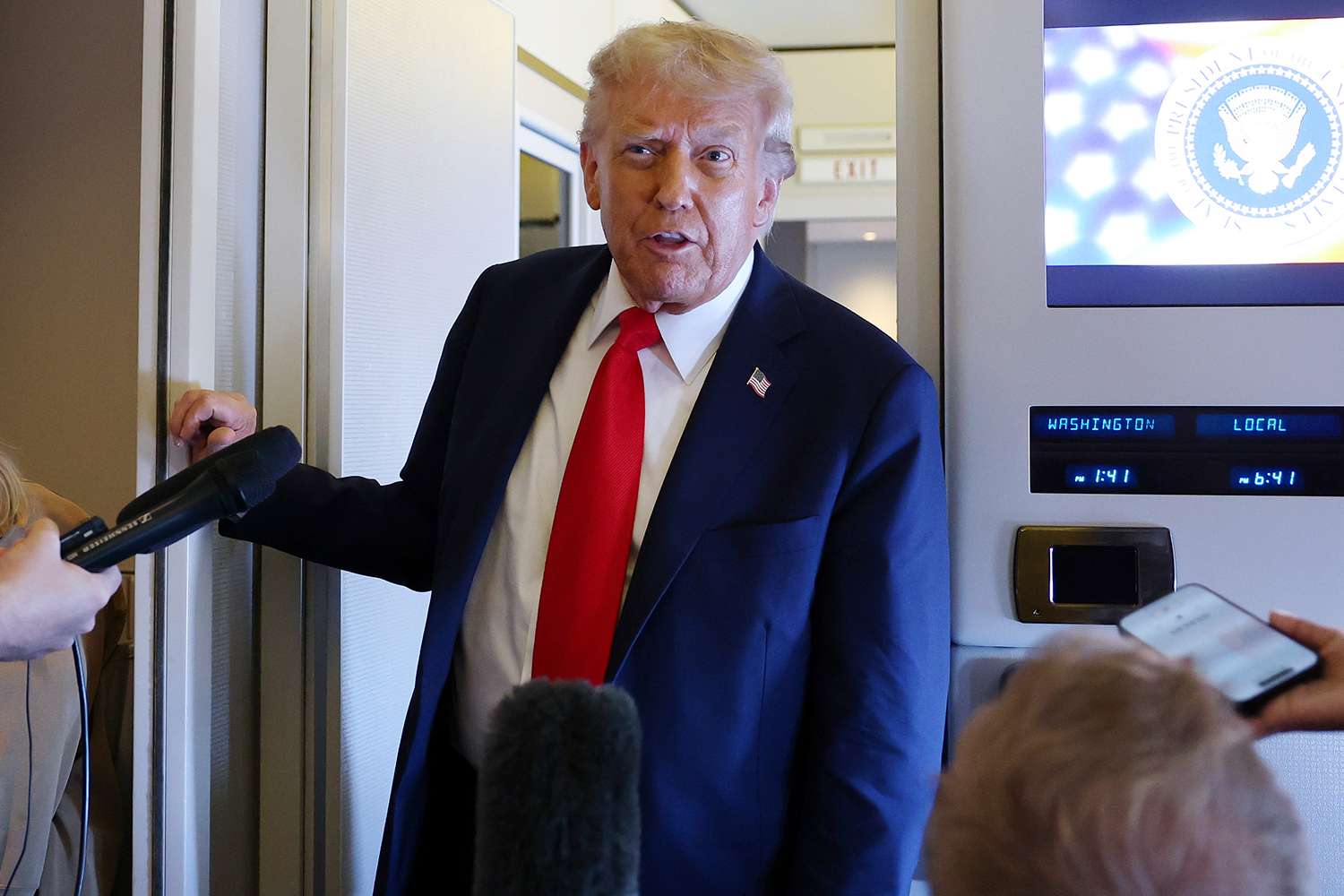
Trump Opens Door to Cannabis Law Changes as Doctors Warn of a Disturbing Side Effect
President Donald Trump has once again thrust cannabis policy into the national spotlight, telling reporters that his administration is “looking at reclassification” and may take action in the coming weeks. But his comments resurfaced at the same time a troubling new side effect linked to long-term cannabis use has gained national attention, adding a new twist to an already complicated debate.
As the country grapples with a patchwork of state laws, growing public support for legalization, and mixed scientific findings, Trump is signaling an openness to changes—but also caution. And for a president who often speaks definitively, his tone on cannabis suggested a rare acknowledgment of complexity.
A Patchwork System Built on Conflicting Laws
Cannabis policy in the United States remains a maze of conflicting rules. Federally, marijuana sits under Schedule I of the Controlled Substances Act—alongside heroin and LSD—classified as a substance with “no accepted medical use” and a high risk of abuse. Despite this strict federal stance, 45 states now allow cannabis in some form, whether for recreational use, medical treatment, or limited therapeutic exemptions.
This divide has created contradictory realities:
-
In states like Colorado and California, adults can walk into dispensaries and buy cannabis like wine or beer.
-
In other states, a patient with cancer or MS may legally receive a medical prescription.
-
But under federal law, those same individuals could still be considered violators of drug statutes.
The result is a confusing system for patients, businesses, and law enforcement. And now, Trump says he wants to take a closer look.
Trump Says He Is “Looking at” Reclassifying Cannabis
During a press conference earlier this year, Trump confirmed that his administration is “reviewing” the federal classification of marijuana.
“We’re looking at reclassification,” he said. “We’ll make a determination over the next few weeks, and hopefully it’ll be the right one.”
The president also admitted something surprising:
“It’s a very complicated subject.”
For someone known for blunt, sweeping declarations, Trump’s tone was almost cautious. He emphasized a divide in public concerns:
-
Positive reports around medical cannabis
-
Negative reports around recreational or chronic high-dose use
“I’ve heard great things having to do with medical,” he said, “and bad things having to do with just about everything else.”
Trump’s comments came shortly after he attended a high-profile fundraiser featuring leaders in the cannabis industry—an event that elevated speculation about possible policy shifts.
Why Reclassification Matters
Reclassifying cannabis from Schedule I to Schedule III, a move previously proposed under the Biden administration, would be one of the most significant shifts in U.S. drug policy in decades.
A Schedule III classification would:
-
Not legalize recreational use federally
-
Reduce criminal penalties
-
Allow cannabis companies to finally take tax deductions
-
Expand medical research opportunities
-
Open the door for pharmaceutical involvement
The move would not create universal legalization, but it would soften federal restrictions that currently clash with state laws.
For medical users and researchers, the impact would be enormous.
A New Warning Emerges for Long-Term Cannabis Users
Trump’s remarks surfaced again this week for a new reason: a medical warning circulating nationwide.
Doctors have identified a rare but increasingly recognized condition known as Cannabis Hyperemesis Syndrome (CHS)—a disorder linked to long-term, frequent marijuana use.
CHS can trigger:
-
intense nausea
-
uncontrollable vomiting
-
abdominal pain
-
dehydration
-
repeated emergency room visits
Dr. Chris Buresh, an emergency medicine specialist, explained:
“Some people say they’ve used cannabis without a problem for decades. Or they smoke pot because they think it treats their nausea. It seems like there’s a threshold when people can become vulnerable to this condition, and that threshold is different for everyone.”
He added that even small amounts can trigger the syndrome in susceptible individuals.
The discovery has added complexity to the national cannabis conversation. Many Americans view marijuana as one of the “safer” drugs—especially compared to opioids or alcohol. But CHS challenges assumptions about long-term safety, and the symptoms often confuse patients who turn to cannabis to relieve nausea rather than cause it.
Medical vs. Recreational Use: An Ongoing Debate
Cannabis has well-documented benefits:
-
chronic pain relief
-
appetite stimulation
-
symptom control for MS
-
reduced nausea during chemotherapy
But recreational use is a different story. High-THC strains, daily use, and new consumption trends like vaping have raised concerns among doctors and addiction specialists. Supporters of legalization argue that regulation creates safety and removes cannabis from the criminal market. Opponents worry that expanded access will increase dependency and health risks—especially for young users.
Trump’s comments reflect both sides of this divide, acknowledging medical value while raising concerns about “everything else.”
Public Pressure Is Growing for Federal Clarity
Polls show that 70% of Americans now support cannabis legalization, a historic high. Even more—nearly 90%—support medical legalization. But the lack of federal clarity creates issues:
-
banks refuse to work with cannabis businesses
-
physicians struggle to recommend treatments
-
interstate commerce remains illegal
-
patients face inconsistent access and costs
Reclassification could resolve many of these obstacles without fully legalizing recreational use.
But the emergence of conditions like CHS may shape public debate moving forward.
A Decision That Could Reshape National Policy
Trump’s comment that a decision “could come in the next few weeks” has reignited national speculation. His administration has positioned itself as willing to revisit longstanding federal policies if they no longer fit modern realities.
Yet Trump’s final stance remains unclear. He has supported medical use, opposed widespread recreational legalization, and emphasized concerns about youth vulnerability and societal impact.
Now, with new research raising safety questions, the cannabis debate has become even more complex.
The only certainty is this: a major shift may be coming, and millions of Americans are waiting to see what the president decides.

Sarah Mitchell is a bestselling novelist recognized for her insightful and emotionally resonant stories that explore the complexities of human relationships. Originally from Denver, Colorado, Sarah grew up in a family of teachers who nurtured her curiosity and love for storytelling. She studied psychology at Stanford University, where she became fascinated by the intricacies of human behavior—an interest that would later shape her writing career. Sarah’s novels are praised for their nuanced characters, intricate plots, and ability to capture the subtle tensions that define love, friendship, and family ties. Her breakthrough novel, The Spaces Between Us, became an instant bestseller, lauded for its honest portrayal of strained family relationships and the fragile bonds that hold people together. Since then, she has published several works that continue to captivate audiences around the world. Outside of her writing career, Sarah is passionate about mental health advocacy and often partners with organizations to promote awareness and support for those struggling with emotional well-being. Her personal life is quieter—she enjoys hiking in the Colorado mountains, practicing yoga, and spending time with close friends. With each new book, Sarah Mitchell cements her reputation as a writer who illuminates the beauty and struggles of human connection.