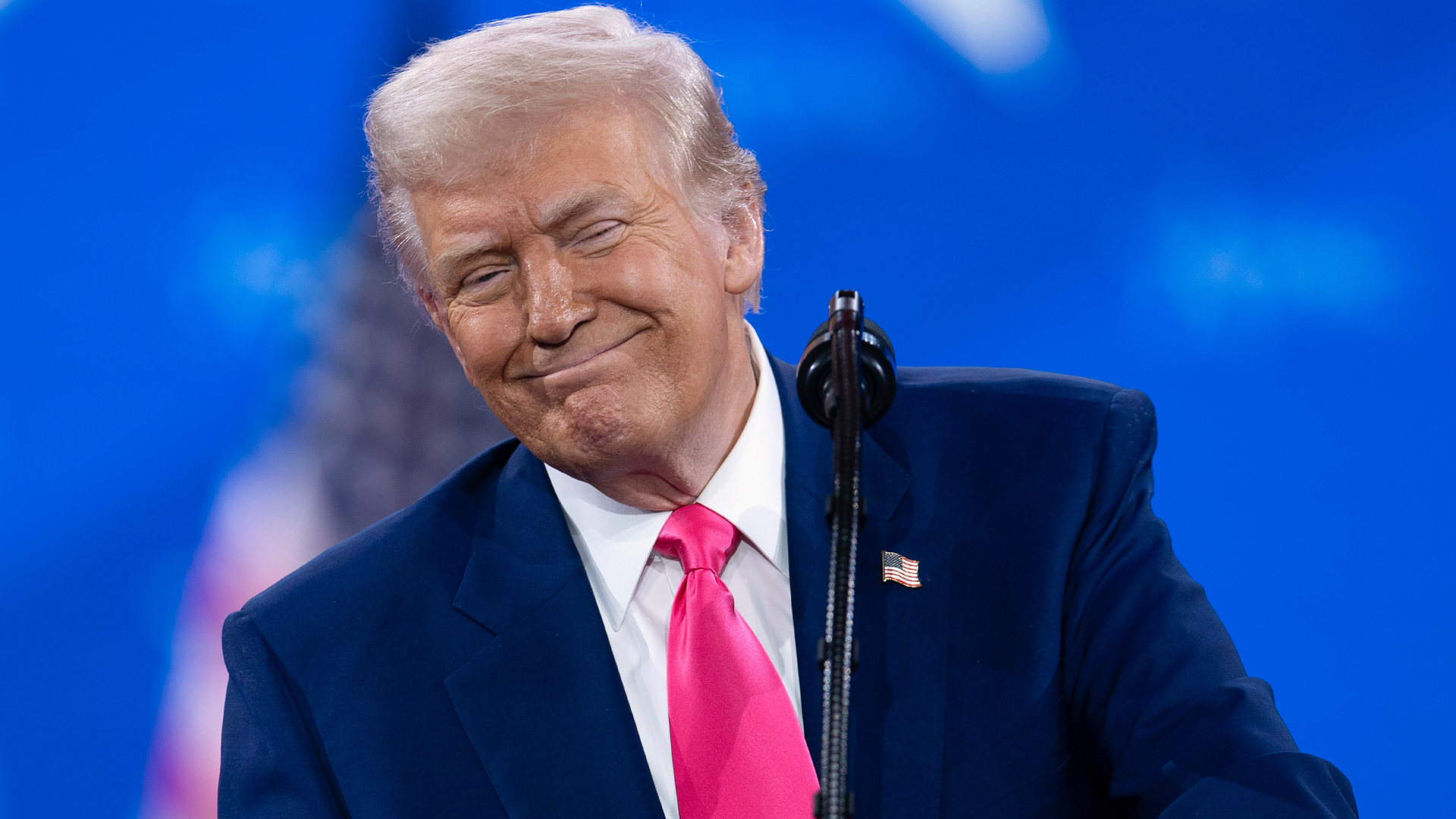
In a packed rally on Tuesday, President Donald Trump delivered a nearly hour-long address aimed squarely at framing the ongoing affordability crisis as the result of policies enacted by his predecessor, former President Joe Biden. Speaking to a rowdy crowd of supporters, Trump sought to reinforce his economic messaging while attempting to rally voters in a key Pennsylvania district ahead of next year’s midterm elections.
The event, held in a congressional district represented by first-term Republican Rep. Rob Bresnahan, drew significant attention from local and national media alike. Trump spent much of his speech focusing on the economy, inflation, and affordability, frequently blaming Democrats for rising costs while presenting his administration’s policies as the solution to household financial concerns.
Trump’s Signature Messaging Style
Trump’s remarks, marked by his characteristic combative and profane style, frequently targeted Biden personally. “Historically, when I’ve done polls, you know, from people, you know, I do my own polls. I go to a big arena. We have 20,000 people. I say, which do you like? Sleepy Joe, crooked Joe, and I learned that I saved millions of dollars. I don’t have to do any polling. Okay? Typically, crooked Joe wins. I’m surprised, because to me, he’s a sleepy son of a b—-,” Trump said.
The rally highlighted a familiar strategy in Trump’s public appearances: blending humor, exaggeration, and personal attacks against political opponents to energize his base. Despite his self-assured presentation, public polling indicates that confidence in Trump’s handling of the economy has been inconsistent. Analysts suggest that voters in key districts, including the Monroe County area where the rally was held, remain concerned about inflation and cost-of-living pressures.
The Affordability Narrative
Trump framed the concept of “affordability” as central to his campaign messaging, repeatedly attributing current economic difficulties to policies implemented during the Biden administration. “We’re bringing prices way down,” he said during a brief stop at the White House prior to the rally. “You can call it ‘affordability’ or anything you want — but the Democrats caused the affordability problem, and we’re the ones that are fixing it.”
Notably, Trump has referred to the term “affordability” as a “Democrat hoax,” despite frequently employing it as a talking point during the 2024 campaign. In Pennsylvania, where energy costs, housing prices, and food inflation remain pressing concerns, the rhetoric was designed to resonate with voters wary of rising household expenses.
The president’s remarks also touched on his administration’s controversial trade and tariff policies. He claimed that inflation, which began to rise following the announcement of sweeping “Liberation Day” tariffs in April, has now stabilized due to his efforts, though economists dispute the timing and impact of these measures. Critics warn that tariffs on imports have been passed on to consumers in the form of higher prices, particularly for essential goods, and have constrained hiring in affected sectors.
Context in Pennsylvania
Trump’s rally took place in a district represented by Rep. Rob Bresnahan, a first-term Republican whose narrow 2024 victory margin—approximately 1.5 percentage points—makes him a prime target for Democratic challengers. Scranton Mayor Paige Cognetti, a Democrat, is running for the nomination to contest the district in the upcoming election, adding national attention to what is considered a competitive race.
The Democratic Congressional Campaign Committee (DCCC) has leveraged Trump’s visit to run digital ads targeting Bresnahan’s record, criticizing his stock trades while in Congress and highlighting perceived shortcomings in addressing ethical concerns and partisan dysfunction in Washington. Analysts note that the combination of Trump’s high-profile appearance and the DCCC’s messaging could make the district a bellwether for broader trends in suburban Pennsylvania.
Local Reactions
Local residents and voters attending the rally described a mixture of enthusiasm and concern. Supporters lauded Trump’s focus on economic issues and his confrontational style as a refreshing contrast to mainstream political messaging. “He’s calling out the Democrats for what they’ve done to our wallets,” said one attendee. “Finally, someone is speaking honestly about the economy.”
Others, however, questioned whether the rally’s rhetoric would translate into electoral support. Many voters expressed anxiety about the cost of living, rising healthcare expenses, and the impact of inflation on family budgets. While Trump’s assertions that prices are falling may energize core supporters, skeptics point to ongoing economic challenges as a potential barrier to mobilizing undecided or moderate voters.
Republican and Democratic Perspectives
Bresnahan, who spoke briefly before Trump, emphasized the need for tangible results rather than partisan arguments. “The administration is working to lower costs,” he said, “but voters aren’t asking for arguments — they’re asking for results.” His comments underscore the delicate balance local Republican candidates must strike between aligning with Trump’s messaging and addressing practical concerns that resonate with a broader electorate.
Democrats, meanwhile, have framed the rally as an opportunity to criticize both Trump and Bresnahan for failing to address the root causes of economic insecurity. Messaging from the DCCC suggests that voters are frustrated with the persistence of inflation, high prices, and perceived ethical lapses in Congress. Campaign advertisements highlight concerns about transparency, fiscal responsibility, and the consequences of partisan policy-making.
Historical Context
Trump’s rally comes amid broader national debates over inflation and economic policy. After initially cooling in 2022, inflation has resurged following trade policy changes, raising questions about the long-term impact of tariffs, import restrictions, and fiscal management. Economists note that while some of Trump’s claims about affordability reflect localized improvements, broader national trends indicate that households continue to experience rising costs for energy, food, and housing.
Historically, midterm elections in Pennsylvania have been highly competitive, with voters closely scrutinizing candidates’ economic policies. The state’s electorate includes a mix of urban, suburban, and rural voters, each with distinct economic priorities. Analysts argue that rallies like Trump’s aim to solidify support among core Republican constituencies while influencing undecided voters concerned about affordability.
Trump’s Campaign Strategy
Observers note that the Pennsylvania rally reflects a strategic approach designed to simultaneously energize supporters, test messaging on key economic issues, and maintain national visibility. Trump’s use of colorful language, personal anecdotes, and direct attacks on Biden is consistent with his broader campaign strategy, which seeks to frame political debates in terms of personal loyalty and perceived competence.
The president’s remarks on trade, tariffs, and inflation were interspersed with anecdotes from previous visits to Pennsylvania, emphasizing his familiarity with local issues. Supporters responded with chants, applause, and engagement throughout the speech, signaling strong enthusiasm despite ongoing concerns about economic conditions.
Implications for 2026 Midterms
Political analysts suggest that Trump’s messaging on affordability could have mixed effects in the upcoming 2026 midterms. While core supporters are likely to respond positively to the focus on Democratic responsibility for economic challenges, undecided voters may weigh claims against their own experiences with rising costs and inflationary pressures.
Bresnahan’s narrow victory margin in 2024 underscores the potential electoral importance of these messages. Candidates in similar competitive districts are likely to closely monitor Trump’s rhetoric and the response it generates among local constituents.
Closing Remarks
As the rally concluded, Trump reiterated his claim that his administration is resolving the affordability crisis and emphasized that voters should recognize the distinction between Democratic policies and Republican initiatives. “We are delivering results,” he told the crowd, “and we are the ones fixing what the Democrats broke.”
While the immediate impact on voter sentiment remains uncertain, the rally highlighted the intersection of national economic narratives and local electoral politics. Pennsylvania’s Monroe County and surrounding districts will likely remain a focus of both parties as they prepare for the next election cycle.
The event also served as a reminder of Trump’s ability to command media attention and frame political discourse, particularly on issues directly affecting households, such as cost-of-living concerns and inflation. Political analysts will continue to evaluate the effectiveness of his messaging in shaping voter attitudes and mobilizing turnout in competitive regions.

Emily Johnson is a critically acclaimed essayist and novelist known for her thought-provoking works centered on feminism, women’s rights, and modern relationships. Born and raised in Portland, Oregon, Emily grew up with a deep love of books, often spending her afternoons at her local library. She went on to study literature and gender studies at UCLA, where she became deeply involved in activism and began publishing essays in campus journals. Her debut essay collection, Voices Unbound, struck a chord with readers nationwide for its fearless exploration of gender dynamics, identity, and the challenges faced by women in contemporary society. Emily later transitioned into fiction, writing novels that balance compelling storytelling with social commentary. Her protagonists are often strong, multidimensional women navigating love, ambition, and the struggles of everyday life, making her a favorite among readers who crave authentic, relatable narratives. Critics praise her ability to merge personal intimacy with universal themes. Off the page, Emily is an advocate for women in publishing, leading workshops that encourage young female writers to embrace their voices. She lives in Seattle with her partner and two rescue cats, where she continues to write, teach, and inspire a new generation of storytellers.