The nation was shaken on Thursday after news broke that Specialist Sarah Beckstrom, one of two National Guard members critically injured in a shooting near the White House, had tragically passed away. Beckstrom, 20, had been serving in the West Virginia National Guard when she and fellow service member Staff Sergeant Andrew Wolfe, 24, were attacked by an Afghan national on November 26. While Wolfe remains hospitalized and fighting for his life, the loss of Beckstrom has prompted an outpouring of grief from family, fellow service members, and citizens across the country.
The attack occurred during a time of heightened public attention to security around the nation’s capital. The suspect, identified as 29-year-old Rahmanullah Lakanwal, had previously served in a CIA-backed Afghan army unit before emigrating to the United States. The circumstances surrounding his entry into the country have drawn renewed scrutiny, raising questions about federal vetting procedures, immigration policies, and the processes in place to ensure that evacuees arriving from conflict zones are properly screened.
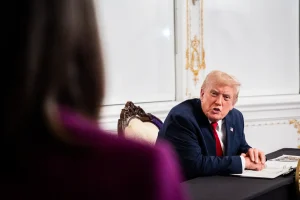
During his Thanksgiving call to U.S. troops, President Donald Trump addressed the tragic news. He acknowledged that he had just learned of Specialist Beckstrom’s passing, emphasizing the loss to her family and the broader military community. “She’s just passed away,” Trump said. “She’s no longer with us. She’s looking down at us right now. Her parents are with her.” In his brief remarks, he described Beckstrom as “an incredible person, outstanding in every single way,” highlighting her dedication, courage, and the commitment she had shown to her country.
The tragedy has reverberated far beyond the National Guard community. In Beckstrom’s hometown of Webster Springs, West Virginia, the loss has struck particularly hard. Local organizations, including the Veterans of Foreign Wars post and the Webster County Veterans Auxiliary, have organized prayer vigils to honor her memory. A post on Facebook from the Auxiliary read:
“Our hearts are absolutely broken to share that Sarah has passed away from the injuries she sustained in the D.C. attack. There are no words big enough for this loss. Please keep her family, friends, and fellow soldiers close in your prayers as they face the unimaginable.”
The post further noted that the community will still gather for the vigils, not only to honor Beckstrom but also to support her fellow National Guard member, Staff Sergeant Wolfe, who remains hospitalized. Attendees have been encouraged to wear blue ribbons as a symbol of solidarity and respect for service members, with organizers noting that blue has long been associated with honoring those who serve in uniform.
Across social media, tributes poured in from friends, fellow Guardsmen, and political figures, many of whom praised Beckstrom’s courage and dedication. Numerous posts underscored the shock that such violence could occur so close to the White House, a location long considered highly secure. Law enforcement agencies and federal authorities are continuing to investigate the shooting, with attention focused not only on the suspect’s motives but also on the effectiveness of the protocols meant to protect service members in sensitive locations.
The attack has also ignited renewed debate about the vetting of Afghan nationals brought to the United States during the chaotic withdrawal in August 2021. The suspect, Lakanwal, had reportedly worked closely with U.S. intelligence agencies in Afghanistan, yet the shooting has led to questions about whether more could have been done to prevent such incidents. Federal reports indicate that many evacuees underwent multiple rounds of screening by the Department of Homeland Security (DHS) and the FBI, though critics argue that the systems in place may still have gaps.
Inside the press briefing room, journalists pressed President Trump about these vetting procedures and the broader context of Afghan evacuee arrivals. The tension was palpable, with reporters seeking answers about whether the suspect’s entry represented systemic failures or isolated lapses. Questions also probed the role of immigration law in complicating efforts to remove potentially dangerous individuals once they have arrived in the country.
In prior days, the Trump administration has repeatedly highlighted the chaotic nature of the Afghanistan withdrawal, emphasizing the sheer volume of evacuees and the logistical challenges involved. Photos showing hundreds of Afghan nationals packed into cargo planes designed for far fewer passengers have circulated widely, becoming emblematic of the disorder that accompanied the final days of U.S. operations in Kabul. Analysts suggest that these images, coupled with security lapses, have contributed to the heightened scrutiny of Afghan arrivals and the federal vetting process.
Meanwhile, communities nationwide are grappling with the human toll of the attack. Colleagues of Beckstrom and Wolfe have described the loss as devastating, emphasizing that service members often place themselves in harm’s way to protect others. Many also note that the National Guard plays a unique role, bridging civilian and military life, which makes attacks on these personnel particularly jarring. “These are young men and women who train, serve, and put themselves in dangerous situations to keep us safe,” said one colleague who requested anonymity. “To see something like this happen right near the White House is heartbreaking.”
The broader conversation has included policy discussions about troop safety, the adequacy of federal vetting processes, and the responsibilities of elected officials to provide clear guidance and support for service members. Experts in national security argue that while no system is foolproof, incidents like the November 26 shooting underscore the need for continuous evaluation of procedures for monitoring and integrating foreign nationals with prior military or intelligence affiliations.
The political response to Beckstrom’s death has also drawn attention. Lawmakers from both parties have expressed condolences, calling for comprehensive investigations into the circumstances surrounding the shooting. Meanwhile, advocacy groups for military families have emphasized the importance of public ceremonies and memorials, suggesting that national recognition of fallen service members reinforces the sacrifices made by both the individual and their family.
In this context, reporters asked President Trump whether he intended to attend Beckstrom’s funeral, which has not yet been scheduled. The question was framed in light of past criticisms of political leaders’ attendance at memorial events for service members, particularly when the deaths result from high-profile incidents with national security implications. Attending the funeral would have been a clear symbolic gesture of respect and solidarity with the family and the broader military community.
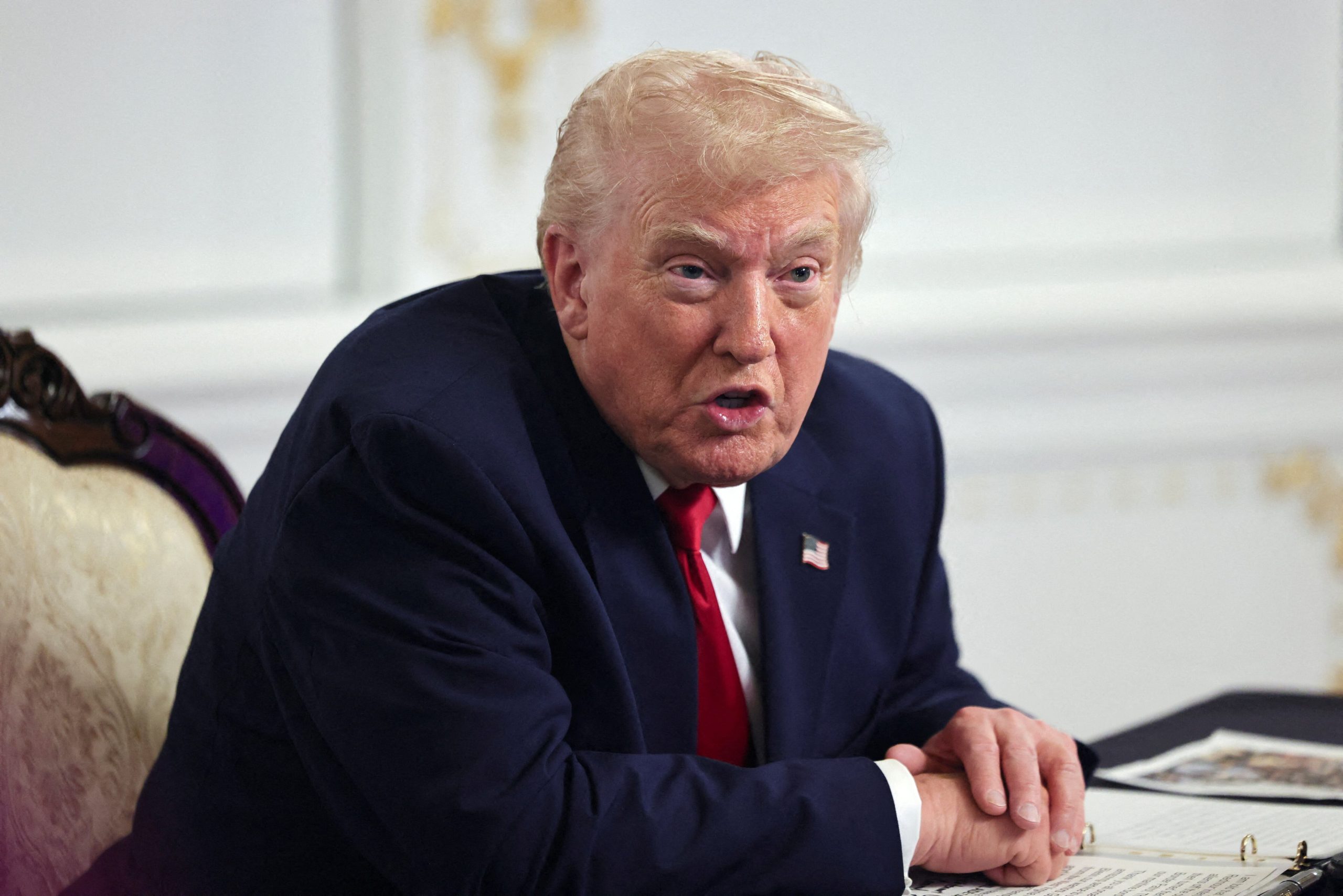
Trump’s response, however, drew attention for its unexpected phrasing and tone. Rather than committing to attendance or providing a straightforward answer, he emphasized his admiration for West Virginia and its residents, noting the strong margin by which he had won the state in the 2020 election. He framed his remarks broadly around his affection for the state and the country, while simultaneously indicating that he had not made any concrete plans regarding the funeral itself.
In his full statement, Trump said: “It is certainly something I could conceive of. I love West Virginia, and I won West Virginia by one of the biggest margins of any president anywhere. These are great people. I love the people of West Virginia, I love the people of our country, but I haven’t given it any thought.”
The response quickly became a subject of discussion across media outlets and social media platforms, with commentators debating both the substance and tone of his remarks. Some observers argued that Trump’s answer reflected a broader pattern of blending political messaging with responses to sensitive events, while others suggested it illustrated a need for more direct engagement in moments of national mourning.
Despite the controversy over his comments, the focus for many remains on the service member who lost her life and her fellow Guardsman who continues to recover. Beckstrom’s passing is being mourned not only in West Virginia but across the military community and the nation, serving as a sobering reminder of the risks faced by those who serve, even on domestic soil.
Local efforts to honor Beckstrom’s memory continue to gain traction. The Veterans of Foreign Wars and other civic organizations have emphasized that the vigils will serve as both a tribute and a source of community support. Organizers have encouraged residents to attend in person or participate virtually, underscoring that the collective recognition of Beckstrom’s service is a critical part of healing for her family, friends, and fellow service members.
Meanwhile, legal and policy experts continue to examine the implications of the shooting for federal vetting procedures and National Guard safety protocols. Some lawmakers have called for hearings to better understand the failures that may have allowed the suspect to enter the country and access public areas, while others stress the importance of reviewing broader immigration processes in light of national security considerations.
The story of Specialist Beckstrom’s death also highlights the often-unseen burdens placed on National Guard members, who balance civilian responsibilities with military service. Guard personnel frequently respond to domestic emergencies, natural disasters, and other crises, all while maintaining readiness for national defense. The recent attack underscores the personal risks they face and the importance of public recognition and institutional support for their service.
As the nation continues to absorb the shock of this tragedy, communities, military organizations, and policymakers alike are grappling with the dual responsibilities of mourning the loss and ensuring that similar incidents are prevented in the future. Memorial services, vigils, and public statements of condolence all serve to honor Beckstrom’s life and reinforce the societal value placed on those who serve in uniform.
For individuals dealing with bereavement, national organizations such as GrieveWell offer confidential support. Those seeking assistance can contact GrieveWell at (734) 975-0238 or via email at info@grievewell.com. Counseling and emotional support services aim to help families, friends, and communities navigate the complex emotions that follow such sudden and tragic events.
In summary, the death of Specialist Sarah Beckstrom has sent ripples through the military, political, and civic communities. Her passing serves as a reminder of the sacrifices made by young service members every day. As West Virginia prepares vigils and the nation reflects on the dangers faced by those in uniform, attention has also turned to the public responses from political leaders.
It was in this context that President Trump was asked whether he would attend Beckstrom’s funeral—a question whose sensitivity reflects the broader national grief and the expectations placed on public figures during moments of mourning. His remarks, while highlighting his affinity for West Virginia and its residents, avoided a direct commitment and quickly became a focal point of discussion in media coverage and online commentary.
Trump said: “It is certainly something I could conceive of. I love West Virginia, and I won West Virginia by one of the biggest margins of any president anywhere. These are great people. I love the people of West Virginia, I love the people of our country, but I haven’t given it any thought.”

Emily Johnson is a critically acclaimed essayist and novelist known for her thought-provoking works centered on feminism, women’s rights, and modern relationships. Born and raised in Portland, Oregon, Emily grew up with a deep love of books, often spending her afternoons at her local library. She went on to study literature and gender studies at UCLA, where she became deeply involved in activism and began publishing essays in campus journals. Her debut essay collection, Voices Unbound, struck a chord with readers nationwide for its fearless exploration of gender dynamics, identity, and the challenges faced by women in contemporary society. Emily later transitioned into fiction, writing novels that balance compelling storytelling with social commentary. Her protagonists are often strong, multidimensional women navigating love, ambition, and the struggles of everyday life, making her a favorite among readers who crave authentic, relatable narratives. Critics praise her ability to merge personal intimacy with universal themes. Off the page, Emily is an advocate for women in publishing, leading workshops that encourage young female writers to embrace their voices. She lives in Seattle with her partner and two rescue cats, where she continues to write, teach, and inspire a new generation of storytellers.