Federal Control Arrives in the Capital
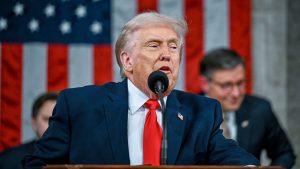
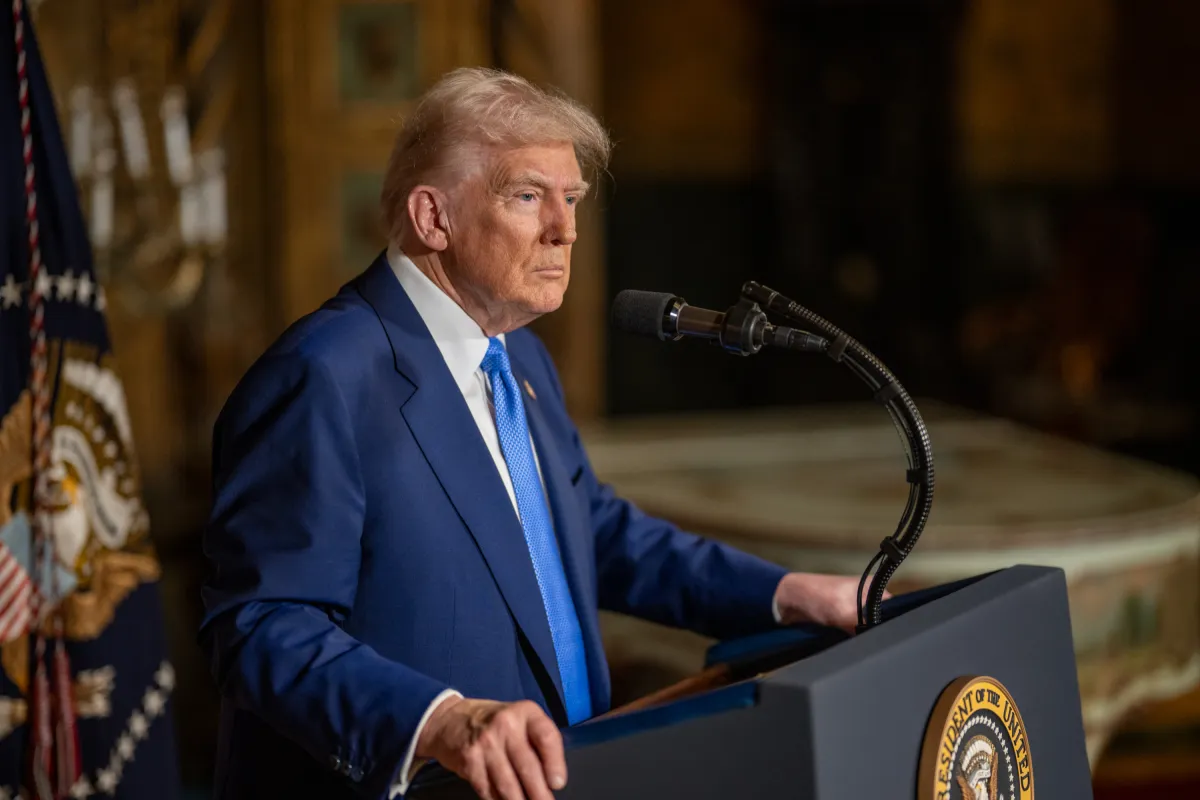
President Donald Trump’s decision to order a federal takeover of the Metropolitan Police Department (MPD) in Washington, D.C., is already drawing attention — both for its visible impact and the political storm it has created.
The move, announced Monday, is part of a broader strategy to confront crime in the nation’s capital. It comes after a string of violent incidents that rattled residents and raised questions about the city’s safety.
Just days before the announcement, Edward Coristine, a Department of Government Efficiency staffer known by the nickname “Big Balls,” was badly injured while trying to stop a carjacking. The brazen attack added fuel to calls for stronger action.
Union Station Feels the Shift
By Thursday, CNN’s Gabe Cohen reported a noticeable change at one of the city’s most scrutinized locations — Union Station.
“This is one of the areas of focus where we’ve heard a lot of concerns,” Cohen said on CNN News Central. “I walk this route all the time, and it does seem like there are fewer people just hanging around. We don’t know exactly what’s driving it, but the difference is there.”
Union Station has long been a focal point for public safety debates in D.C., with complaints ranging from aggressive panhandling to more serious violent incidents.
Crime Numbers — and What’s Missing
Democratic officials claim violent crime in D.C. has fallen by about one-third. But that figure leaves out aggravated assault and felony assault, both considered violent crimes under District law.
This selective reporting has raised eyebrows among critics who question whether the improvement is as dramatic as advertised.
National Guard in Support Role
As part of the federal intervention, National Guard troops are now deployed in visible locations across the city.
“These National Guard troops are not here to make arrests,” Cohen explained. “They do have zip ties on their backs, but their role is presence — to assist MPD any way they can.”
However, despite the Guard’s presence, sources confirm that MPD leadership and District officials are still drawing up the main safety strategy.
Who’s Really in Charge?
The White House says Attorney General Pam Bondi and DEA Administrator Terry Cole are officially leading the federal effort. That means while MPD remains the face of local enforcement, the ultimate authority now lies with federal leadership.
How this dynamic plays out could shape the city’s law enforcement climate for months to come.
High-Profile Violence Fuels Action
The decision to take over the MPD follows a series of shocking incidents:
-
June 30: Eric Tarpinian-Jachym, an intern for Rep. Ron Estes (R-KS), was fatally shot less than a mile from the White House.
-
May: Two employees of the Israeli Embassy were killed in a shooting outside the Capital Jewish Museum. Authorities linked the attack to a pro-Hamas suspect.
These events, among others, have fueled public demand for a stronger and more coordinated safety plan.
Coordination Between Local and Federal Agencies
According to Cohen, MPD is still the primary decision-maker for local policing strategy, but federal agencies are heavily integrated into operations. The goal, officials say, is to create an immediate sense of safety while long-term strategies are put in place.
Federal law enforcement has been stationed at high-traffic and high-visibility locations to create deterrence through sheer presence.
What Residents Can Expect Next
Officials indicate that the increased patrols and National Guard deployment will remain for the foreseeable future.
For now, residents and visitors can expect to see more uniformed officers, a heightened federal presence in major transit hubs, and a new sense of watchfulness in areas like Union Station.
The political fight over the federal takeover is likely just beginning. Supporters hail it as decisive leadership in a time of crisis. Critics warn it’s an overreach that may not address deeper causes of crime in the city.
Regardless of where public opinion lands, the images of National Guard troops and federal officers patrolling the streets of the nation’s capital are likely to define the city’s security conversation in the coming weeks.
https://rumble.com/v6xl0pe-cnn-reporter-admits-trumps-dc-crime-crackdown-is-cleaning-up-loitering-at-f.html

James Jenkins is a celebrated Pulitzer Prize-winning author whose work has reshaped the way readers think about social justice and human rights in America. Raised in Atlanta, Georgia, James grew up in a community that instilled in him both resilience and a strong sense of responsibility toward others. After studying political science and creative writing at Howard University, he worked as a journalist covering civil rights issues before dedicating himself fully to fiction. His novels are known for their sharp, empathetic portraits of marginalized communities and for weaving personal stories with broader political realities. Jenkins’s breakout novel, Shadows of Freedom, won national acclaim for its unflinching look at systemic inequality, while his more recent works explore themes of identity, resilience, and the fight for dignity in the face of oppression. Beyond his novels, James is an active public speaker, lecturing at universities and participating in nonprofit initiatives that support literacy and community empowerment. He believes that storytelling is a way to preserve history and inspire change. When not writing, James enjoys jazz music, mentoring young writers, and traveling with his family to explore cultures and stories around the world.