NOTE: VIDEO AT THE END OF THE ARTICLE.
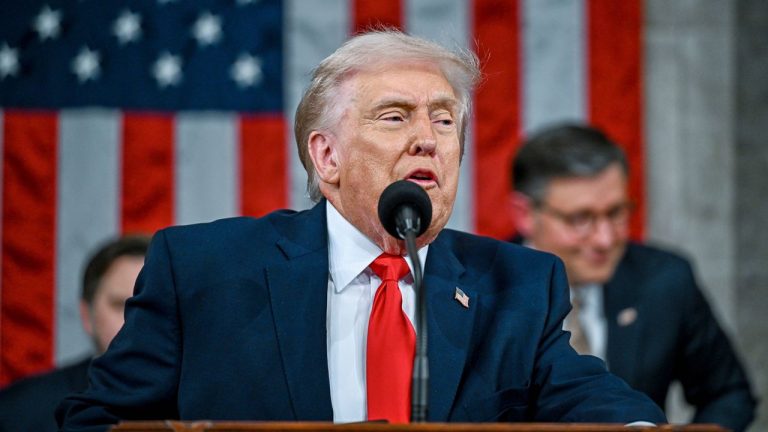
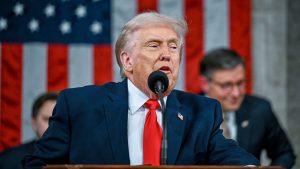
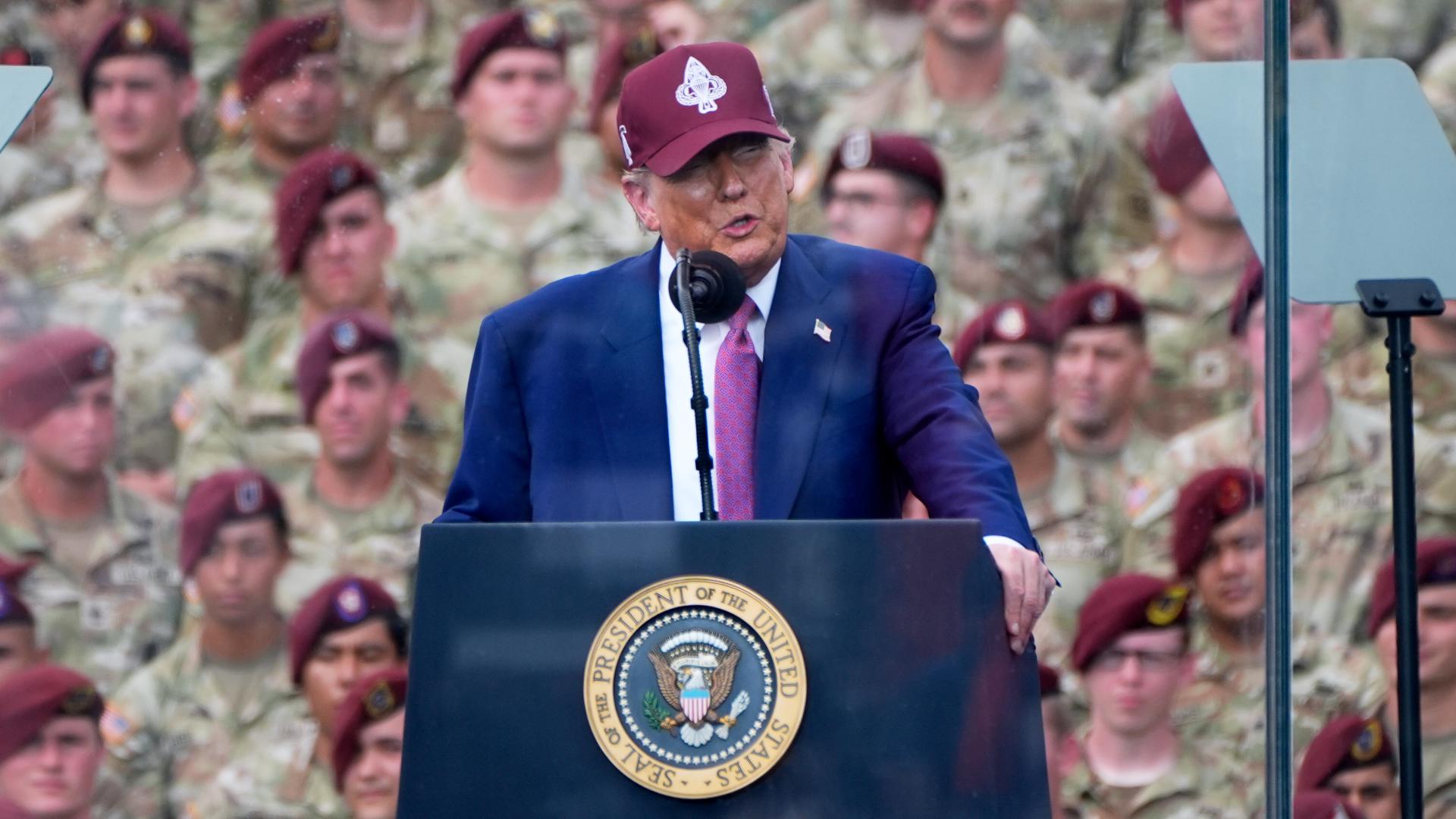
During a speech commemorating the 250th anniversary of the U.S. Army at Fort Bragg on June 10, 2025, former President Donald Trump used the occasion to sharply criticize ongoing unrest in Los Angeles and announce major federal actions in response to what he framed as a national security crisis.
Addressing a military audience, Trump condemned the protests in Los Angeles—sparked by immigration-related tensions—as a “foreign invasion” and referred to the demonstrators as “animals.” He pledged to “liberate Los Angeles” and restore order, marking one of his most aggressive rhetorical escalations in recent months.
In response to the growing demonstrations, Trump announced that approximately 4,000 National Guard troops and 700 U.S. Marines would be deployed to the city. According to his remarks, the deployments aim to assist law enforcement and reestablish what he called “American sovereignty on American streets.”
“This is not protest,” Trump said during the speech. “This is chaos instigated by those who do not belong here—and I will not allow American cities to be overrun.”
The move drew swift reactions from both supporters and critics. Some hailed the deployment as a decisive step toward restoring law and order, while others raised alarm over the militarization of civil spaces and potential violations of First Amendment rights.
In a further controversial statement, Trump advocated for stricter consequences for acts of protest deemed unpatriotic—specifically flag burning. “People that burn the American flag should go to jail for one year,” he declared, to applause from some attendees. He added that he was working to make such a penalty constitutional, though legal experts note that flag burning remains protected under the First Amendment, based on longstanding Supreme Court precedent.
Trump’s remarks align with a broader pattern of hardline messaging he’s adopted since the 2024 election, appealing to law-and-order voters and taking a staunch stance against immigration-related unrest and progressive activism.
The events in Los Angeles have become a flashpoint in a larger national debate over immigration policy, free expression, and the role of federal force in managing civil unrest. Protesters have cited concerns over alleged mistreatment of migrants and increasingly aggressive deportation tactics, while conservatives argue that public safety and border integrity are at stake.
With more demonstrations planned and federal deployments underway, Trump’s speech signals that the immigration debate—and how it plays out in America’s streets—will remain a central and highly volatile issue as the political landscape heats up in 2025.
PLAY:
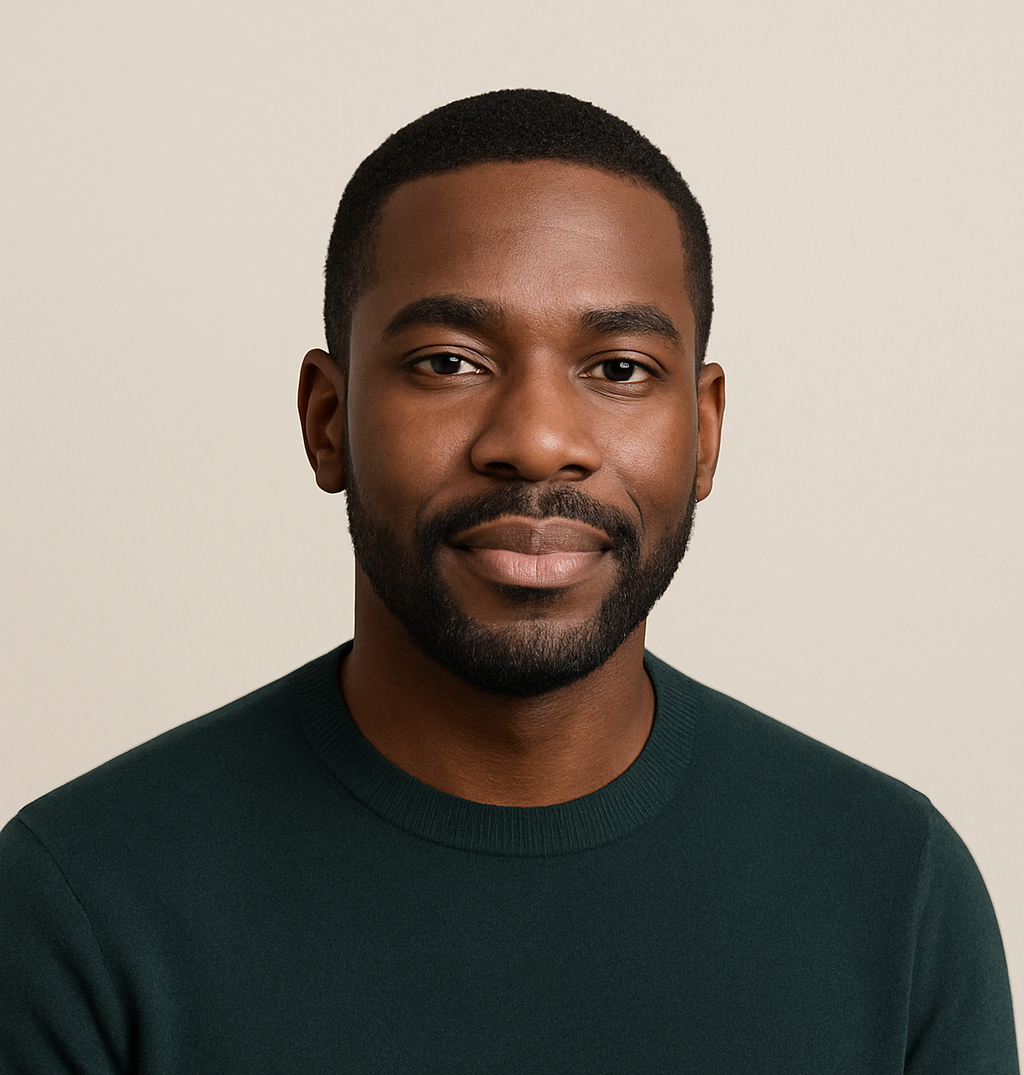
James Jenkins is a celebrated Pulitzer Prize-winning author whose work has reshaped the way readers think about social justice and human rights in America. Raised in Atlanta, Georgia, James grew up in a community that instilled in him both resilience and a strong sense of responsibility toward others. After studying political science and creative writing at Howard University, he worked as a journalist covering civil rights issues before dedicating himself fully to fiction. His novels are known for their sharp, empathetic portraits of marginalized communities and for weaving personal stories with broader political realities. Jenkins’s breakout novel, Shadows of Freedom, won national acclaim for its unflinching look at systemic inequality, while his more recent works explore themes of identity, resilience, and the fight for dignity in the face of oppression. Beyond his novels, James is an active public speaker, lecturing at universities and participating in nonprofit initiatives that support literacy and community empowerment. He believes that storytelling is a way to preserve history and inspire change. When not writing, James enjoys jazz music, mentoring young writers, and traveling with his family to explore cultures and stories around the world.