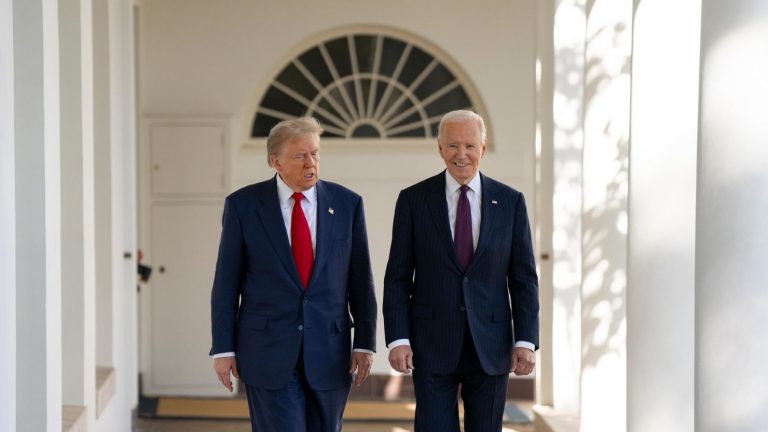




In a surprising statement early Tuesday morning, former U.S. President Donald Trump took to X (formerly Twitter) to publicly call on Israel to cease its bombing campaign amid renewed conflict with Iran. “Israel must stop the bombing now. Enough is enough,” Trump tweeted, igniting global reactions.

The statement comes just hours after a fragile 12-hour ceasefire collapsed, with Israel resuming airstrikes in response to missile attacks from Tehran. Trump, who has traditionally been a staunch supporter of Israel, appears to be shifting his tone in response to mounting international pressure and concerns over civilian casualties.
Sources close to the former president say he is frustrated by the failure of the ceasefire he claimed to have helped facilitate over the weekend. In a follow-up post, Trump said, “We need strength, but also smart leadership. This isn’t winning. It’s endless.”
Political analysts suggest Trump is positioning himself as a mediator ahead of the 2024 campaign, aiming to demonstrate foreign policy leadership in contrast to President Biden’s approach.
So far, Israeli officials have not publicly responded to Trump’s call. However, the tweet has added new tension to an already volatile situation as global leaders scramble to restore calm in the region.
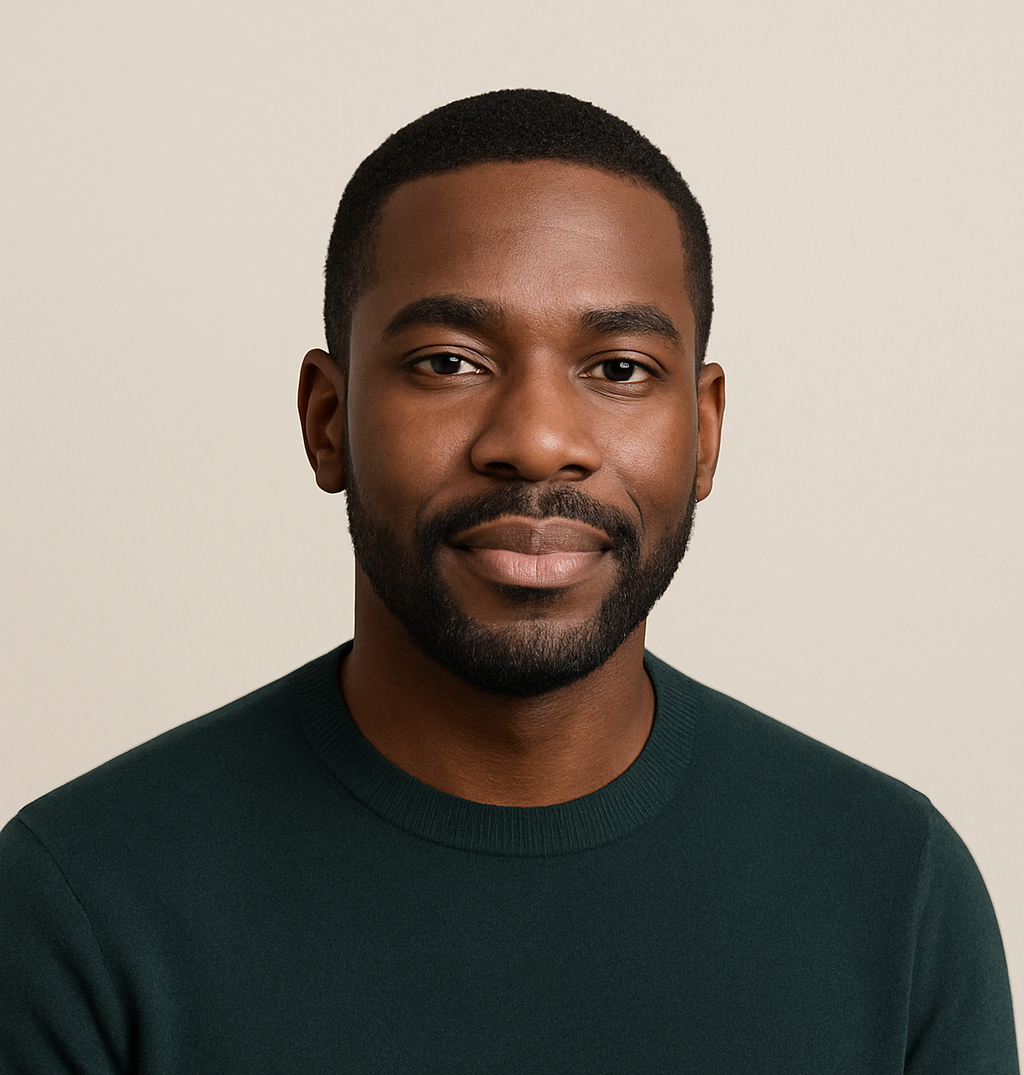
James Jenkins is a celebrated Pulitzer Prize-winning author whose work has reshaped the way readers think about social justice and human rights in America. Raised in Atlanta, Georgia, James grew up in a community that instilled in him both resilience and a strong sense of responsibility toward others. After studying political science and creative writing at Howard University, he worked as a journalist covering civil rights issues before dedicating himself fully to fiction. His novels are known for their sharp, empathetic portraits of marginalized communities and for weaving personal stories with broader political realities. Jenkins’s breakout novel, Shadows of Freedom, won national acclaim for its unflinching look at systemic inequality, while his more recent works explore themes of identity, resilience, and the fight for dignity in the face of oppression. Beyond his novels, James is an active public speaker, lecturing at universities and participating in nonprofit initiatives that support literacy and community empowerment. He believes that storytelling is a way to preserve history and inspire change. When not writing, James enjoys jazz music, mentoring young writers, and traveling with his family to explore cultures and stories around the world.