Washington, D.C., was thrust into chaos on Wednesday after a shocking shooting just blocks from the White House left two National Guard members critically wounded and triggered an immediate security lockdown across the nation’s capital. The violent attack, which unfolded in the early afternoon near one of the city’s busiest intersections, prompted a swift and forceful reaction from President Donald Trump, whose administration moved rapidly to restore control and address what officials fear may have been a targeted assault.
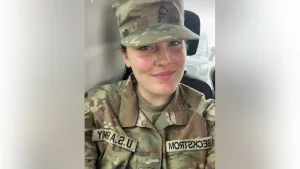
The two Guardsmen, part of the West Virginia National Guard and stationed in Washington as part of heightened federal security operations, were ambushed near the Farragut West Metro station around 2:20 p.m. Witnesses described hearing several shots within seconds, followed by screams and the rapid arrival of law enforcement. Police rushed the victims to separate hospitals, where both remain in critical condition. A third person was also transported for injuries, though officials have not yet shared details about that individual.
Authorities quickly apprehended a suspect identified as 29-year-old Afghan national Rahmanullah Lakanwal, who had been residing in the United States since 2021. He was shot several times during the confrontation and taken into custody after receiving medical treatment. Investigators have said they are examining the incident as a possible act of terrorism, a consideration that has already triggered sweeping ramifications across federal agencies.
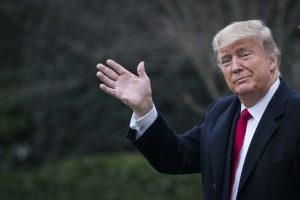
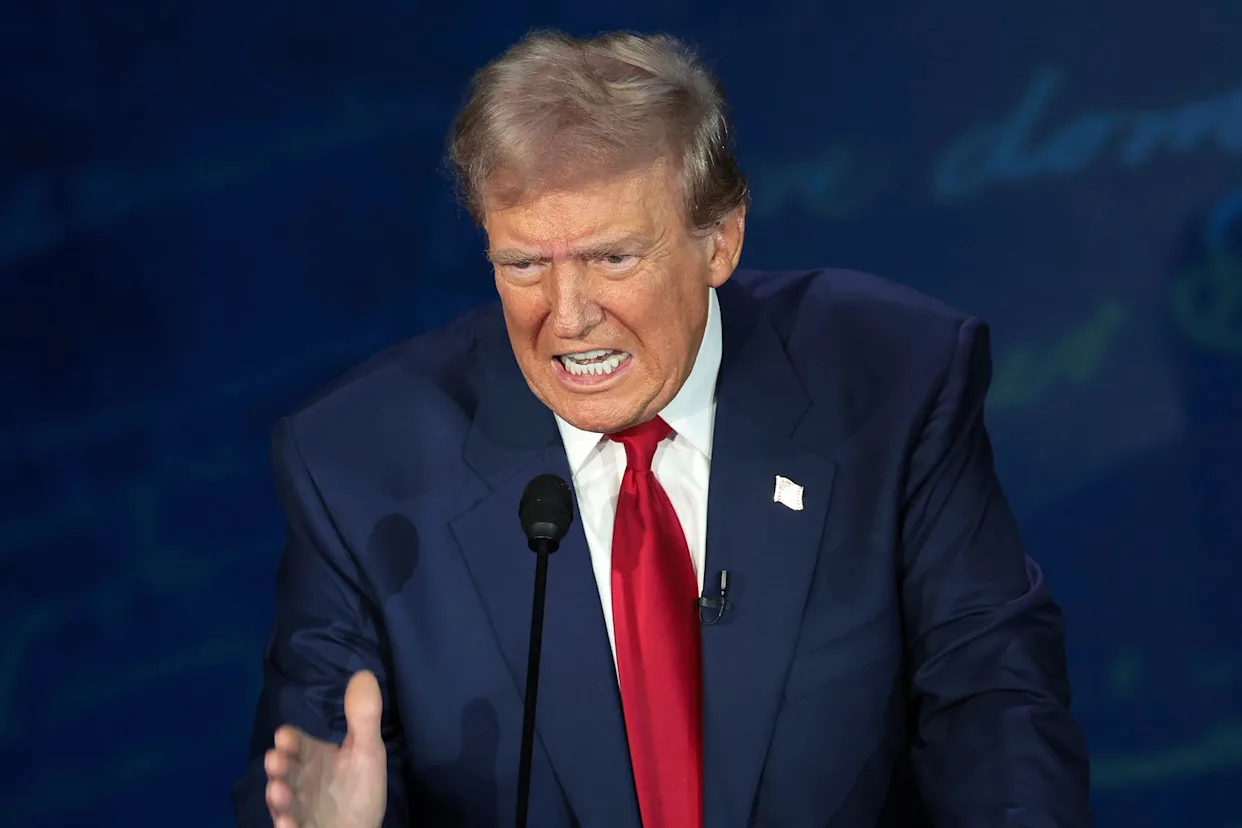
In a sharply worded message on Truth Social, Trump condemned the attack and vowed severe consequences. He referred to the shooter as “the animal that shot the two National Guardsmen,” declaring that the suspect “will pay a very steep price” for what he described as an assault on American service members protecting the capital. Trump expressed strong support for the wounded Guardsmen and praised the military and law enforcement communities, emphasizing his administration’s commitment to their safety.
Within hours of the shooting, the Trump administration ordered an additional 500 National Guard troops into Washington. Defense Secretary Pete Hegseth confirmed that the president personally directed the deployment, stating that the goal was to reinforce security and stabilize the situation while federal agencies piece together the motives behind the attack. The move comes amid an already heightened security presence in Washington, where hundreds of Guardsmen have been patrolling the city under an emergency order issued earlier this year.
The White House itself immediately went into lockdown once the scope of the shooting became clear. Press Secretary Karoline Leavitt confirmed that the president had been briefed and that federal officials were actively monitoring the situation. Although Trump was not at the White House at the time—he was at his Palm Beach residence ahead of Thanksgiving—protocol required that the grounds be secured and all nonessential movements restricted. Vice President JD Vance, who was in Kentucky when the attack occurred, received his own security briefing shortly afterward.
City officials responded as well, with D.C. Mayor Muriel Bowser calling the shooting a “targeted attack” on the nation’s security personnel. Bowser, who has frequently clashed with Trump over federal oversight of Washington, denounced the violence and promised full cooperation with federal authorities. Homeland Security Secretary Kristi Noem also issued a statement urging people to pray for the wounded Guardsmen and reaffirming the administration’s focus on preventing future attacks.
The gunfire occurred at a location that sees thousands of commuters daily, near the intersection of 17th Street and I Street NW. The area is just a short walk from the White House and several major federal buildings, making the shooting particularly alarming to security officials. As the incident unfolded, flights into Ronald Reagan Washington National Airport were temporarily suspended due to its proximity to the scene, adding to the disruption.
The identification of the shooter as an Afghan national rapidly escalated the political debate surrounding immigration and national security. In the hours following the attack, U.S. Citizenship and Immigration Services announced an immediate halt to all immigration-related requests involving Afghan nationals. The agency stated that new security and vetting protocols were under review and emphasized that protecting the American homeland was its “singular focus.” This abrupt suspension marks one of the most sweeping immigration tightening measures implemented so far under the Trump administration.
Trump, who has repeatedly warned about what he describes as the dangers of lax border and immigration policies, doubled down on his message after the attack. He criticized what he called “the single greatest national security threat facing our nation,” referring to what he sees as insufficient vetting and oversight of foreign nationals entering the United States. He further described Afghanistan as “a hellhole on earth,” asserting that his administration would begin reviewing every individual who entered the country from Afghanistan during the Biden presidency. According to Trump, such a review was already in the planning stages but would now be expedited in light of the shooting.
The reaction from state officials was immediate as well. West Virginia Governor Patrick Morrisey initially reported that both Guardsmen had died but later corrected his statement after receiving conflicting updates from medical providers. He pledged continued support for the Guardsmen’s families and called for patience as more accurate information becomes available.
The National Guard Bureau released a statement expressing deep concern for all affected service members and reaffirming its cooperation with the Metropolitan Police Department and other federal agencies. Their message emphasized that the health and safety of Guardsmen remains a top priority and that leadership is committed to providing support during a time of heightened risk.
For residents and workers in the capital, the shooting marked one of the most alarming security incidents in recent years. Streets surrounding the scene were immediately closed, and commuters were redirected as investigators collected evidence and canvassed the area. Witnesses described scenes of confusion as law enforcement swarmed the district, and others recounted fleeing from the sound of gunfire, unsure of whether more violence would follow.
The attack also reignited debate over the federalization of D.C.’s police force earlier this year. Under Trump’s emergency order in August, National Guard units from eight states were deployed throughout the capital to enhance security and assist with law enforcement operations. While some political leaders criticized the move as excessive at the time, supporters now argue the additional manpower may have prevented an even worse outcome during the shooting.
As federal agencies continue their investigation, questions remain about the suspect’s movements, potential motives, and whether he acted alone. While authorities have not yet publicly confirmed a motive, the investigation’s classification as a potential terrorist incident has prompted intelligence agencies to review the suspect’s background and any ties to extremist activity.
In the meantime, the capital remains on elevated alert. Security perimeters around the White House have been tightened, and additional checkpoints have been established in surrounding areas. The increased National Guard presence is expected to remain in place through the Thanksgiving holiday as officials work to ensure public safety.
The shooting has thrust national security and immigration policy back into the political spotlight, intensifying an already heated national debate. The coming days are expected to bring updates from federal investigators, as well as additional policy responses from the Trump administration, which has signaled it will push for even tougher security measures.
For now, Washington remains tense, shaken by a sudden burst of violence against those who serve to protect it. As the two critically injured Guardsmen fight for their lives, the nation watches closely, waiting for clarity—and demanding accountability.

Emily Johnson is a critically acclaimed essayist and novelist known for her thought-provoking works centered on feminism, women’s rights, and modern relationships. Born and raised in Portland, Oregon, Emily grew up with a deep love of books, often spending her afternoons at her local library. She went on to study literature and gender studies at UCLA, where she became deeply involved in activism and began publishing essays in campus journals. Her debut essay collection, Voices Unbound, struck a chord with readers nationwide for its fearless exploration of gender dynamics, identity, and the challenges faced by women in contemporary society. Emily later transitioned into fiction, writing novels that balance compelling storytelling with social commentary. Her protagonists are often strong, multidimensional women navigating love, ambition, and the struggles of everyday life, making her a favorite among readers who crave authentic, relatable narratives. Critics praise her ability to merge personal intimacy with universal themes. Off the page, Emily is an advocate for women in publishing, leading workshops that encourage young female writers to embrace their voices. She lives in Seattle with her partner and two rescue cats, where she continues to write, teach, and inspire a new generation of storytellers.