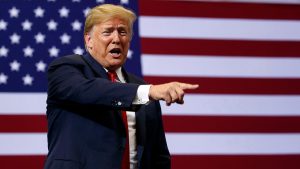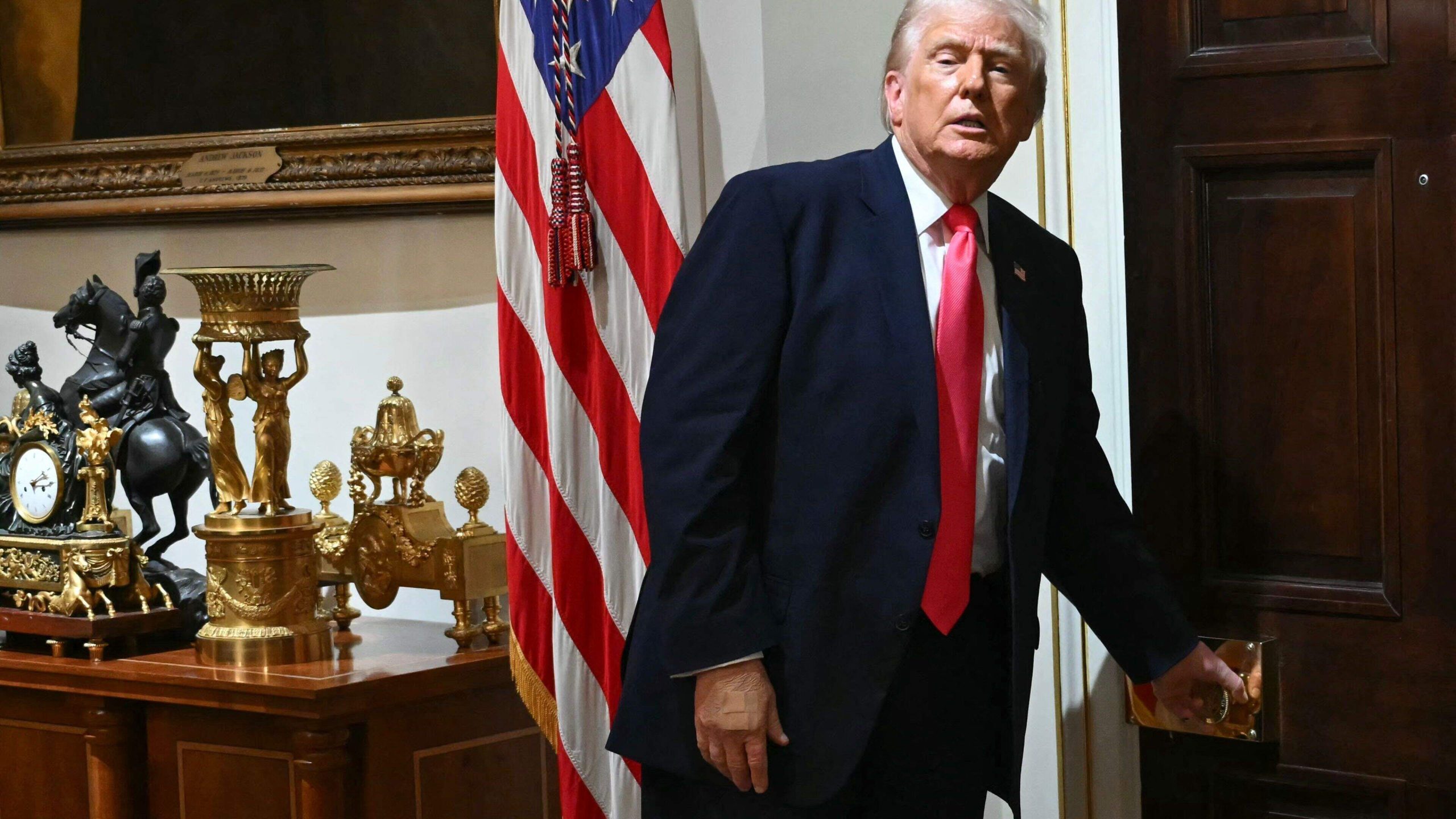
At the final Cabinet meeting of 2025, President Donald Trump and Defense Secretary Pete Hegseth provided fresh details about a series of military strikes on an alleged drug boat in September that have drawn sharp criticism and calls for investigations. The White House briefing, held on December 2, offered unprecedented insight into the operations, the decision-making behind the attacks, and the administration’s broader strategy against drug trafficking.
The discussion, which took place at the White House, came amid widespread scrutiny of the Pentagon’s actions following a Washington Post report. That report indicated the military had launched a follow-up strike on September 2, which reportedly killed two survivors of the initial strike. White House Press Secretary Karoline Leavitt confirmed that the second strike did occur, though she clarified that the order came from a Navy admiral, not Hegseth directly.
Trump and Hegseth used the Cabinet meeting to outline their positions, defend the actions taken, and signal the potential for expanded military operations against drug traffickers in South America.
Hegseth Details His Involvement in the September Strikes
Defense Secretary Pete Hegseth provided a step-by-step account of his role during the September strikes. He said he was observing the first attack in real time but was not present when the second strike was ordered by Admiral Frank Bradley, the commanding officer in charge.
“I watched that first strike live,” Hegseth explained. “As you can imagine, at the Department of War, we’ve got a lot of things to do. So I didn’t stick around for the hour, two hours, whatever, where all the sensitive site exploitation digitally occurs. So I moved on to my next meeting.”
Hegseth emphasized that he did not see any survivors after the first strike, stating that smoke and fire obscured visibility. Later, he learned that Admiral Bradley made the decision to conduct a follow-on strike, which successfully neutralized the vessel and eliminated the perceived threat. Hegseth described the admiral’s judgment as “correct” and emphasized that the commander had “complete authority” to act.
He defended the decision-making process, highlighting the detailed intelligence work and careful consideration by U.S. Special Operations Command (SOCOM) and Joint Special Operations Command (JSOC). “Our professionals… take rigorous, evidence-based steps to ensure every one of those drug boats is tied to a designated terrorist organization,” Hegseth said.
Trump Defends Strikes, Signals Expansion to Land Targets
President Trump confirmed that he was not aware of the second strike at the time it occurred. He defended the attacks as part of a broader strategy to combat drug trafficking and said the operations contributed to a decline in U.S. drug-related deaths.
“We’re going to start doing those strikes on land, too,” Trump said. “The land is much easier. We know the routes they take, we know everything about them. We know where they live, we know where the bad ones live, and we’re going to start that very soon, too.”
While the strikes have primarily focused on maritime targets, Trump suggested that the administration may expand operations to countries beyond Venezuela. He specifically mentioned Colombia as a country where cocaine production could make traffickers subject to direct U.S. military action.
Administration Officials Stress Legal Authority and Oversight
Leavitt and Hegseth sought to reassure the public that the strikes were legally authorized. The press secretary stated that Hegseth had authorized Admiral Bradley to conduct kinetic strikes and that the admiral acted within his authority and the law. The White House maintained that all decisions were made to protect U.S. national security and prevent the trafficking of drugs into the country.
Hegseth reinforced this stance, saying, “President Trump has empowered commanders to do what is necessary, which is dark and difficult things in the dead of night, on behalf of the American people. We support them, and we will stop the poisoning of the American people.”
He also criticized media coverage of the strikes, calling out what he described as inaccurate reporting in the Washington Post and other outlets. “You sit in your air-conditioned offices or up on Capitol Hill, you nitpick and you plant fake stories about ‘kill everybody’—phrases on anonymous sources not based in anything,” Hegseth said.
Trump Signals Aggressive Anti-Drug Stance
Trump and Hegseth’s comments underscore an aggressive stance against drug traffickers. Hegseth said the administration’s operations against “narco-terrorists” were only beginning. “We’re stopping the drugs, we’re striking the boats, we’re defeating narco-terrorists,” he said.
Trump echoed the sentiment, emphasizing his support for commanders making tough decisions in difficult situations. “I want those boats taken out, and if we have to, we’ll attack on land also, just like we attack on sea,” he said.
The remarks highlight the administration’s intention to continue military strikes against narcotics operations while signaling possible escalation into new territories.
Broader Cabinet Updates
In addition to addressing the strikes, President Trump used the Cabinet meeting to discuss several other administration priorities.
Inflation and Economic Policy
Trump touted progress on inflation, claiming that the U.S. now has “normal inflation” despite rates remaining above the Federal Reserve’s 2% target. He argued that media coverage created a misleading narrative about affordability, calling it a “fake narrative” propagated by Democrats.
“We’re bringing the prices down, way down,” Trump said. “Now we have normal inflation.”
Federal Reserve Leadership
Trump also addressed the search for a new Federal Reserve chair to succeed Jerome Powell, noting that his administration has narrowed the list of candidates to a single contender. He did not disclose the individual’s identity but criticized Powell, labeling him a “stubborn ox” and “incompetent” for perceived delays in lowering interest rates.
Health Care Plans
On health care, Trump reiterated his position that money currently subsidizing premiums under the Affordable Care Act should instead go directly to consumers. He criticized Democrats for blocking what he described as “good deals” for the American people and emphasized Republican unity in negotiations.
Infrastructure Initiatives
The president announced plans to rebuild Dulles International Airport in Virginia, describing the current facility as poorly designed. Trump highlighted a comprehensive plan to transform the airport into a “spectacular” transportation hub serving the Washington, D.C., metropolitan area.
Relationships with Key Figures
Trump addressed his relationship with Elon Musk, stating uncertainty about whether Musk was back in his circle of friends. He praised Musk’s prior support during his election but noted a disagreement over electric vehicles.
White House Reassurances Amid Controversy
The statements by Trump and Hegseth come amid intense scrutiny of the September strikes, particularly after reports alleging the deaths of survivors. The administration has consistently maintained that the operations were conducted legally and with the full authority of the Pentagon and the president.
Hegseth praised the U.S. military personnel involved, describing them as professionals who make careful, evidence-based decisions. He urged the public and the press to recognize the complexity and sensitivity of anti-drug operations.
“President Trump always has our back. We always have the backs of our commanders who are making decisions in difficult situations,” Hegseth said. “They’ve done the right things, we’ll keep doing that, and we have their backs, Mr. President.”
Looking Ahead
The Cabinet meeting made clear that the Trump administration is committed to a robust and aggressive approach against drug trafficking, potentially expanding operations onto land in addition to continued maritime strikes. The remarks also signal that administration priorities extend beyond military actions, encompassing economic policy, infrastructure improvements, health care reform, and leadership appointments at the Federal Reserve.
As scrutiny continues over the strikes and their consequences, the administration’s messaging emphasizes legality, commander authority, and support for U.S. military personnel. Analysts anticipate continued debate over the propriety and effectiveness of the operations, particularly in the context of U.S. foreign policy and national security priorities.
For now, Trump and Hegseth are framing the September strikes as part of a larger effort to safeguard Americans from the impacts of drug trafficking, positioning the administration as taking decisive, if controversial, action on a longstanding domestic and international problem.

Emily Johnson is a critically acclaimed essayist and novelist known for her thought-provoking works centered on feminism, women’s rights, and modern relationships. Born and raised in Portland, Oregon, Emily grew up with a deep love of books, often spending her afternoons at her local library. She went on to study literature and gender studies at UCLA, where she became deeply involved in activism and began publishing essays in campus journals. Her debut essay collection, Voices Unbound, struck a chord with readers nationwide for its fearless exploration of gender dynamics, identity, and the challenges faced by women in contemporary society. Emily later transitioned into fiction, writing novels that balance compelling storytelling with social commentary. Her protagonists are often strong, multidimensional women navigating love, ambition, and the struggles of everyday life, making her a favorite among readers who crave authentic, relatable narratives. Critics praise her ability to merge personal intimacy with universal themes. Off the page, Emily is an advocate for women in publishing, leading workshops that encourage young female writers to embrace their voices. She lives in Seattle with her partner and two rescue cats, where she continues to write, teach, and inspire a new generation of storytellers.