
In recent days, a diplomatic exchange between the United States and Norway has drawn widespread international scrutiny and concern, after a senior U.S. official signaled a departure from long-standing language prioritizing peace in foreign policy discussions related to Greenland, a vast, mineral‑rich Arctic territory. The message, conveyed directly to Norway’s prime minister, linked strategic interests and global security goals with a shift in tone that European capitals described as unusual for communications between allied nations.
The letter has become the focus of heated debate among diplomats and scholars, who see it as emblematic of deeper tensions over Arctic strategy, alliance obligations, and geopolitical competition involving major powers. Though Greenland has been a subject of U.S. interest for decades, recent developments have brought its status into sharper relief, prompting reactions from governments across Europe and prompting broader questions about diplomacy, sovereignty, and security in the High North.
A Diplomatic Message That Raised Eyebrows
The exchange began when Norway’s prime minister sent a message expressing concerns about rising tensions over the future of Greenland and calling for de‑escalation. In response, the senior U.S. official penned a note that quickly became controversial.
In the initial lines of the reply, the official stated that he no longer felt constrained to “think purely of peace” in advancing what he described as U.S. objectives. While affirming that peace would “always be predominant,” the message suggested that other considerations — including strategic and national interests — now merited equal emphasis.
The blunt phrasing immediately drew reactions from diplomats and analysts in Europe and the United States alike, who noted that public language shifting away from traditional peace‑centered diplomatic norms was rare, especially in relations between allied nations.
The Oldest Nobel Prize Reference Enters the Discussion
The senior U.S. official tied part of his reasoning to his own reaction to the recent Nobel Peace Prize cycle. In the message, he noted that Norway had “decided not to give me the Nobel Peace Prize for having stopped 8 Wars PLUS,” and said this decision had, in his view, removed an obligation to focus exclusively on peace.
This reference drew particular attention because the Nobel Peace Prize is not awarded by the Norwegian government itself, but by an independent committee based in Oslo. Norway’s officials stated publicly that the prize’s administration is separate from state decision‑making, and so the suggestion that Norway denied the award was met with frustration by government spokespeople.
This introduction of personal disappointment into a diplomatic exchange — particularly one tied to territorial and strategic matters — heightened the unusual nature of the message and fueled international reactions.
Identity Revealed: The U.S. Leader Behind the Message
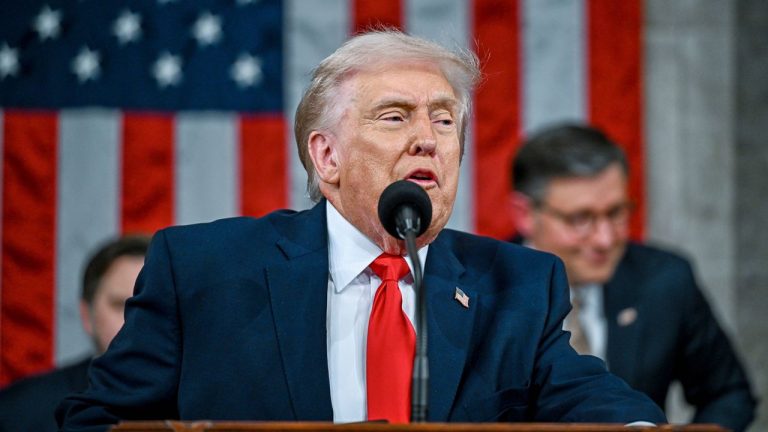
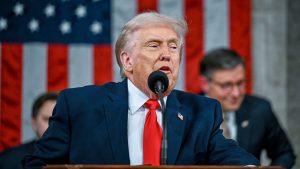
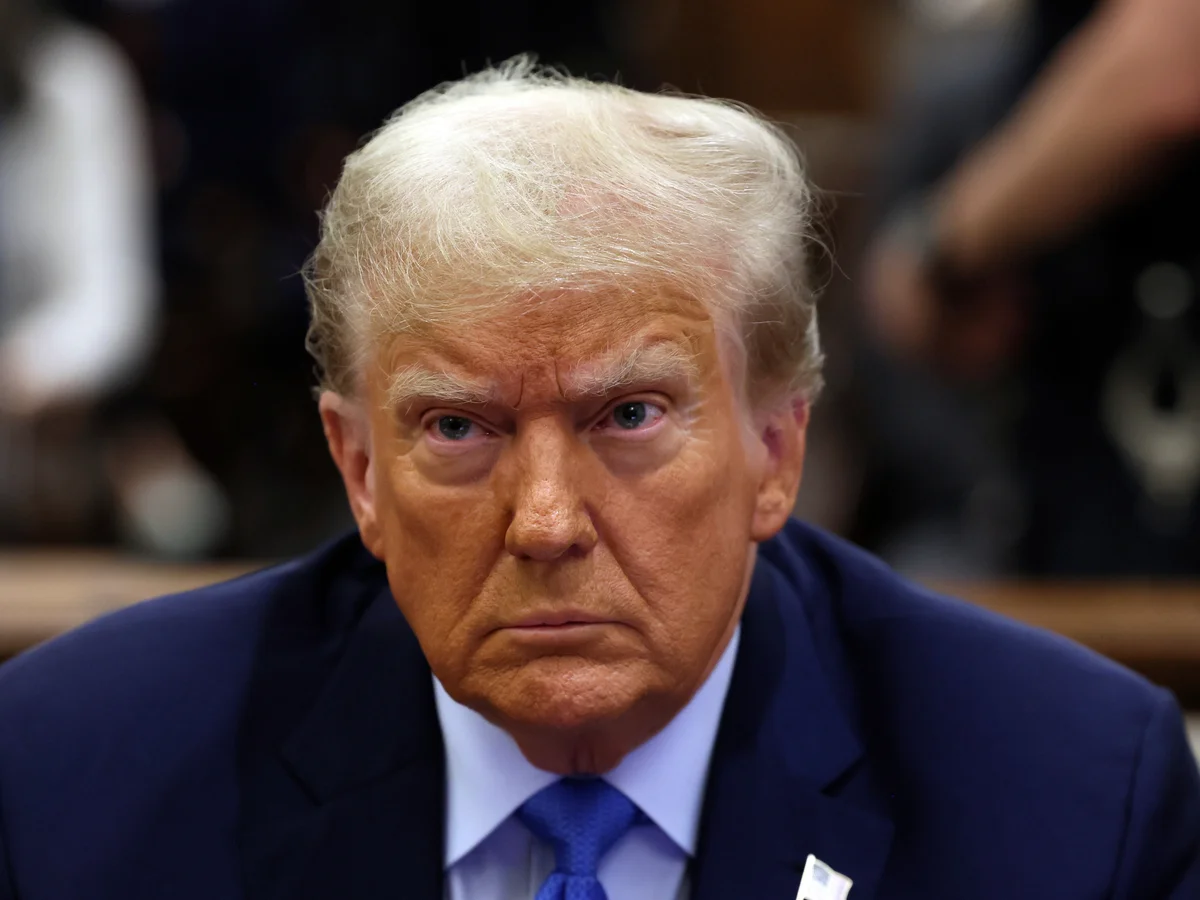
About midway through the correspondence, it becomes clear that the senior official was President Donald Trump. The message was sent January 18 to Prime Minister Jonas Gahr Støre of Norway following Støre’s outreach about easing tensions.
Trump’s statement reflects his long‑standing position that Greenland — an autonomous territory within the Kingdom of Denmark — is of critical importance to U.S. strategic interests. Over several years, he has repeatedly argued that Greenland’s geographic position, natural resources, and military value make it essential to national and hemispheric security.
In the letter, Trump wrote that Denmark could not sufficiently protect Greenland from what he described as growing influence by Russia and China, and he asserted that “the world is not secure unless we have complete and total control of Greenland.”
These assertions underscored the stark departure in language from that typically used in discussions of allied cooperation, sovereignty, and territorial governance.
Historical and Strategic Importance of Greenland
Greenland, the world’s largest island, holds strategic value due to its proximity to key polar routes, its role in early warning systems and missile defense infrastructure, and its wealth of untapped natural resources, including rare earth minerals. For decades, the United States has maintained military installations on the island in coordination with Denmark, reflecting Cold War‑era agreements and ongoing defense cooperation.
However, Trump’s language in the message to Norway — calling for control rather than partnership — pushed beyond customary diplomatic discourse and touched on questions of sovereignty and ownership that are deeply sensitive for Denmark and its partners.
Both Denmark and Greenland’s government have reaffirmed that the territory is part of the Kingdom of Denmark and that decisions about its governance and external relationships rest with its own democratic institutions and within the framework of international law.
Norway’s Response and International Reactions
In a statement released on January 19, Norway’s prime minister reiterated his country’s support for Denmark’s sovereignty over Greenland. He also emphasized the independence of the Nobel Peace Prize awarding process, noting that Norway does not determine the decisions of the Nobel Committee.
“We fully support that Greenland is a part of the Kingdom of Denmark, and we stand by established international agreements on sovereignty and cooperative defense,” the statement read.
European capitals expressed concern about the tone and content of the communication, with officials describing the exchange as complicating already delicate negotiations about Arctic policy, alliance cooperation, and economic ties.
Several diplomats also noted that bringing personal grievances — such as those related to international recognition — into questions of security and territorial governance is unusual and could have lasting implications for allied trust.
Trump’s Public Comments on the Matter
When asked by reporters on January 19 whether the Nobel Peace Prize influenced his thinking on Greenland, Trump dismissed the idea, stating, “I don’t care about the Nobel Prize.” He added that while the Nobel Committee is based in Norway, decisions about the award are ultimately independent.
“I don’t care what Norway says,” he said, “but what I care about is saving lives, and I think I’ve saved tens of millions of lives.” His remarks reinforced his broader defense of his leadership record and strategic priorities.
Trump also spoke publicly about discussing Greenland at the World Economic Forum in Davos, Switzerland, where ministers, business leaders, and heads of state were expected to address global economic and security issues. In a post to his social media platform Trust Social, he called Greenland “imperative for national and world security” and said there could be “no going back” on its importance.
Trade Measures and Military Options
Complicating matters further, Trump has not ruled out the possibility of using military force to advance U.S. interests in Greenland. While he has not specified under what legal circumstances such an option would be pursued, the suggestion alarmed many observers and prompted discussions about alliance cohesion.
Over the weekend, Trump also announced plans to impose 10 percent tariffs against eight European nations opposing U.S. efforts regarding Greenland. These tariffs — targeting goods from Denmark, Norway, Sweden, France, Germany, the United Kingdom, the Netherlands, and Finland — are set to start February 1 and increase to 25 percent in June unless a political agreement is reached, he said.
European officials have indicated that they are prepared to retaliate with tariffs of their own on tens of billions of dollars’ worth of U.S. goods, or to limit access to their markets as leverage in negotiations.
Broader Geopolitical Context
Trump’s insistence that Greenland is vital for national and hemispheric security stems in part from fears about increased Russian and Chinese activity in the Arctic. As ice continues to melt and new shipping routes open, global powers are positioning themselves to gain advantage in resource extraction and strategic presence.
Trump’s public statements often link Greenland to proposals like the “Golden Dome” missile defense system that he says could protect North America from ballistic threats. He has also emphasized the value of Greenland’s rare earth elements, fossil fuels, and other resources in reducing dependence on foreign supply chains.
However, experts note that pursuing territorial control in this way — rather than strengthening cooperative frameworks with Nordic partners — risks undermining existing alliances and could provoke wider geopolitical tensions.
Allies Push Back on Alliance Unity
Denmark’s government and Greenlandic authorities have both dismissed any notion of transferring sovereignty. Danish officials maintain that Arctic defense cooperation should continue within established NATO and bilateral agreements, emphasizing partnership over unilateral control.
At a press conference following announcements about Trump’s measures, a European leader stated, “We will not accept coercion or undue pressure in matters of sovereignty. Cooperation must be based on mutual respect, and alliance unity is paramount.”
European stock markets reacted to the news with volatility, while futures trading in U.S. indices showed increased uncertainty. Analysts warned that protracted tariffs and diplomatic rifts could dampen investor confidence and slow economic growth.
Legal and Diplomatic Considerations
International law favors maintaining sovereign borders and respecting territorial integrity, especially among democracies with transparent governance systems. United Nations charters and NATO treaties underscore the importance of mutual support without encroaching on state sovereignty.
Legal scholars say any attempt to acquire territory — whether through diplomatic pressure, economic coercion, or implied force — would invite legal challenges and could significantly strain relations not just within NATO but across the global community.
For now, Denmark and Greenland have reiterated their commitment to existing arrangements, while Norway and other allies reaffirm support for shared defense and Arctic cooperation.
Looking Ahead
As the World Economic Forum convenes and leaders discuss trade, climate, and security, Greenland’s status is likely to remain a focal point of transatlantic dialogue. Whether diplomatic channels can smooth over recent tensions or whether harsher measures — tariffs, public rebukes, or strategic competition — will persist remains to be seen.
For now, the leaked letter and the reactions it provoked have injected an unexpected element into Arctic diplomacy, reminding the world that strategic interests, national pride, and personal political narratives can intersect in ways that reshape international relations.

Emily Johnson is a critically acclaimed essayist and novelist known for her thought-provoking works centered on feminism, women’s rights, and modern relationships. Born and raised in Portland, Oregon, Emily grew up with a deep love of books, often spending her afternoons at her local library. She went on to study literature and gender studies at UCLA, where she became deeply involved in activism and began publishing essays in campus journals. Her debut essay collection, Voices Unbound, struck a chord with readers nationwide for its fearless exploration of gender dynamics, identity, and the challenges faced by women in contemporary society. Emily later transitioned into fiction, writing novels that balance compelling storytelling with social commentary. Her protagonists are often strong, multidimensional women navigating love, ambition, and the struggles of everyday life, making her a favorite among readers who crave authentic, relatable narratives. Critics praise her ability to merge personal intimacy with universal themes. Off the page, Emily is an advocate for women in publishing, leading workshops that encourage young female writers to embrace their voices. She lives in Seattle with her partner and two rescue cats, where she continues to write, teach, and inspire a new generation of storytellers.