Officials at multiple levels of government are grappling with rising tensions in a Midwestern city as unrest continues to unfold on its streets. A public statement issued this week by a senior government figure escalated the situation further, raising questions about federal authority, state sovereignty, and the limits of executive power in the face of domestic protests.
The events have drawn intense scrutiny from lawmakers, legal scholars, civil liberties groups, and residents, all trying to understand what might happen next. At the center of the controversy is a rare and powerful federal statute that allows extraordinary measures under certain circumstances — one that has only been used a handful of times in American history.
The unrest has been most visible in daily demonstrations that have drawn hundreds of people into public spaces, where they have clashed with law enforcement and set the stage for a broader debate about federal intervention. What was once a localized matter has rapidly transformed into a national flashpoint, with officials and citizens across the country monitoring developments closely.
Rising Tensions After Enforcement Actions
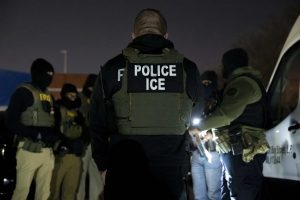
The unrest began in earnest after a series of federal enforcement operations in the city drew sharp public reaction. These operations were part of a broader effort by the federal government to address immigration policy and enforcement within the area. Multiple reports from national and local media outlets suggest that these actions were intended to support enforcement of federal immigration laws and apprehend individuals who might be in the country without legal authorization.
However, what followed was a marked escalation in public demonstrations, sparked in part by two controversial shooting incidents involving federal officers. One of those shootings, which occurred earlier in the month, resulted in the death of a local resident, drawing widespread condemnation and serving as a catalyst for sustained protest activity.
Another incident later resulted in an officer firing at a man who resisted arrest, leaving him hospitalized with injuries that were described as non‑life‑threatening. The Department of Homeland Security maintained that its personnel acted in self‑defense during the encounter.
In the wake of these events, demonstrations have become more frequent, and tensions between protesters and federal agents have remained high. Crowds have gathered daily, with some scuffles breaking out between law enforcement and those expressing frustration at the federal presence and enforcement strategies.
Protests and Public Reaction
Public reaction to the protests has been deeply divided. For many residents, the demonstrations represent a standing grievance against what they view as excessive use of force and an aggressive enforcement campaign that has disrupted daily life. Local leaders have described the situation as untenable, warning that ongoing clashes risk further escalation if not defused through dialogue or adjustments in approach.
At the same time, supporters of law enforcement efforts argue that federal officers are legally mandated to perform their duties and that local authorities must take stronger action to maintain order and protect public safety. Some segments of the public have accused elected officials of failing to uphold the rule of law or to protect federal personnel operating within their jurisdictions. Demonstrators have used social media and public marches to express their frustration, calling for changes in federal policy and accountability for actions they view as unjust.
The protests have also drawn attention from civil liberties organizations, which warn that prolonged confrontations could lead to violations of constitutional rights. These groups have urged restraint on all sides and pushed for negotiations to reduce tensions. Others have called for independent investigations into the circumstances surrounding the federal enforcement actions, arguing that transparency is critical to restoring public trust.
A Rare Federal Threat
In a development that significantly elevated the stakes, a senior national leader issued a public warning this week about possible federal measures if unrest continues. The declaration referenced a powerful statute — the Insurrection Act — and suggested that it could be invoked to deploy military forces domestically to restore order.
The individual making the warning said that if local and state officials failed to stop what he described as “professional agitators and insurrectionists” who were attacking federal enforcement personnel, that extraordinary federal authority would be used to intervene. The statement was made on social media and quickly drew intense attention from legal experts, lawmakers, and national security observers.
Identity of the Speaker
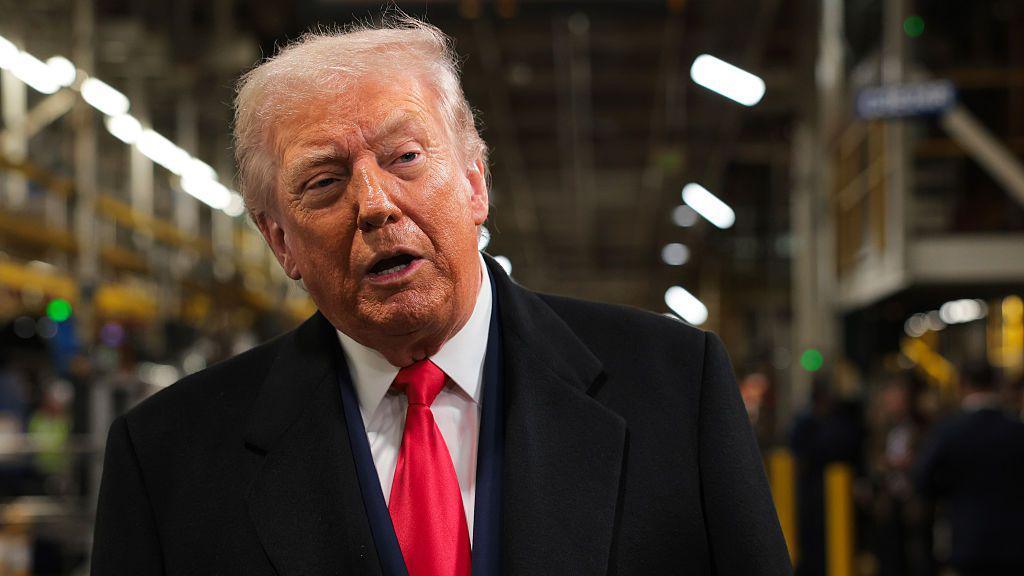
The threat to potentially invoke the Insurrection Act came from President Donald Trump, who posted on his social media platform that he would take such action if officials in Minnesota did not act to halt ongoing demonstrations and confrontations with federal agents.
President Trump’s warning signaled one of the starkest confrontations in recent U.S. political history between federal authority and state resistance. The Insurrection Act itself is a law that allows the president to deploy active‑duty military forces, or federalize National Guard troops, on U.S. soil under certain conditions, such as to quell insurrection or enforce federal law when civil authority is unable to maintain order.
The act is an exception to the Posse Comitatus Act, which normally restricts the use of the military for domestic law enforcement. Its invocation is rare in modern times and historically arises only in extreme circumstances.
Historical Use and Legal Context
The Insurrection Act dates back to the early 19th century, empowering the federal executive to respond to rebellions or obstructions of federal law. Over the course of U.S. history, presidents have invoked the law a few times, particularly during periods of civil conflict or widespread unrest. For example, the statute was used in the mid‑20th century to enforce civil rights orders in Southern states resisting desegregation, and by other administrations responding to violent riots in major cities.
Legal scholars say that while the law provides a mechanism for direct federal intervention, its application is expected to be scrutinized by courts and subject to political backlash. Many legal observers argue that deploying the military domestically can have profound implications for civil liberties, state autonomy, and public confidence in government institutions.
State Leadership Pushback
Local and state officials have responded strongly to the president’s statements. Minnesota’s governor and mayor have both publicly opposed the idea of invoking the Insurrection Act to manage the unrest. They have described the federal deployment of immigration enforcement personnel as heavy‑handed and have instead called for de‑escalation and community engagement.
State leaders argue that bringing in military forces could further inflame tensions rather than resolve them, and they have emphasized the importance of local solutions. Both the governor and mayor have urged residents to remain peaceful and focus on constructive dialogue to address concerns related to law enforcement and immigration policy.
Some state officials have even taken legal action in federal courts, seeking orders that would limit the scope of federal operations and protect constitutional rights within their jurisdictions. Those challenges hinge on interpretations of federal authority versus states’ rights in managing protests and public safety.
Wider Political and Public Impact
The national reaction to the president’s warning has been deeply divided. Supporters of the potential invocation argue that strong federal action is justified to restore peace and protect individuals carrying out their duties. They point to the challenges faced by law enforcement and the risks posed by prolonged civil disturbances.
Critics, however, warn that such a move would represent a dramatic escalation and could undermine longstanding constitutional norms that separate military and civilian authority. Civil liberties advocates and some members of Congress have expressed alarm at the prospect of troops being deployed on American soil for domestic protests, suggesting that it could set a dangerous precedent.
Public opinion is similarly fractured. Some residents of Minnesota express frustration and concern about safety and order, while others view the federal government’s actions as an overreach that infringes on civil liberties and community autonomy. National polls show a split among Americans on whether federal authorities should prioritize strict enforcement actions in such scenarios or focus on limiting harm and promoting peaceful resolution.
What Happens Next
As the situation continues to develop, several key factors will influence how events unfold. Legal challenges filed by state authorities may shape whether any federal action under the Insurrection Act can proceed. Courts may be asked to weigh in on the balance of federal power and state rights in responding to protests and unrest.
Meanwhile, negotiations or dialogue between federal, state, and local leaders could hold the key to de‑escalation. Many observers note that finding common ground — even amid profound disagreement — is essential to maintaining public safety and upholding democratic norms.
For now, residents, officials, and lawmakers alike are watching closely, with the understanding that what happens next could have lasting implications for the relationship between federal authority and civil liberties in the United States.

Emily Johnson is a critically acclaimed essayist and novelist known for her thought-provoking works centered on feminism, women’s rights, and modern relationships. Born and raised in Portland, Oregon, Emily grew up with a deep love of books, often spending her afternoons at her local library. She went on to study literature and gender studies at UCLA, where she became deeply involved in activism and began publishing essays in campus journals. Her debut essay collection, Voices Unbound, struck a chord with readers nationwide for its fearless exploration of gender dynamics, identity, and the challenges faced by women in contemporary society. Emily later transitioned into fiction, writing novels that balance compelling storytelling with social commentary. Her protagonists are often strong, multidimensional women navigating love, ambition, and the struggles of everyday life, making her a favorite among readers who crave authentic, relatable narratives. Critics praise her ability to merge personal intimacy with universal themes. Off the page, Emily is an advocate for women in publishing, leading workshops that encourage young female writers to embrace their voices. She lives in Seattle with her partner and two rescue cats, where she continues to write, teach, and inspire a new generation of storytellers.