
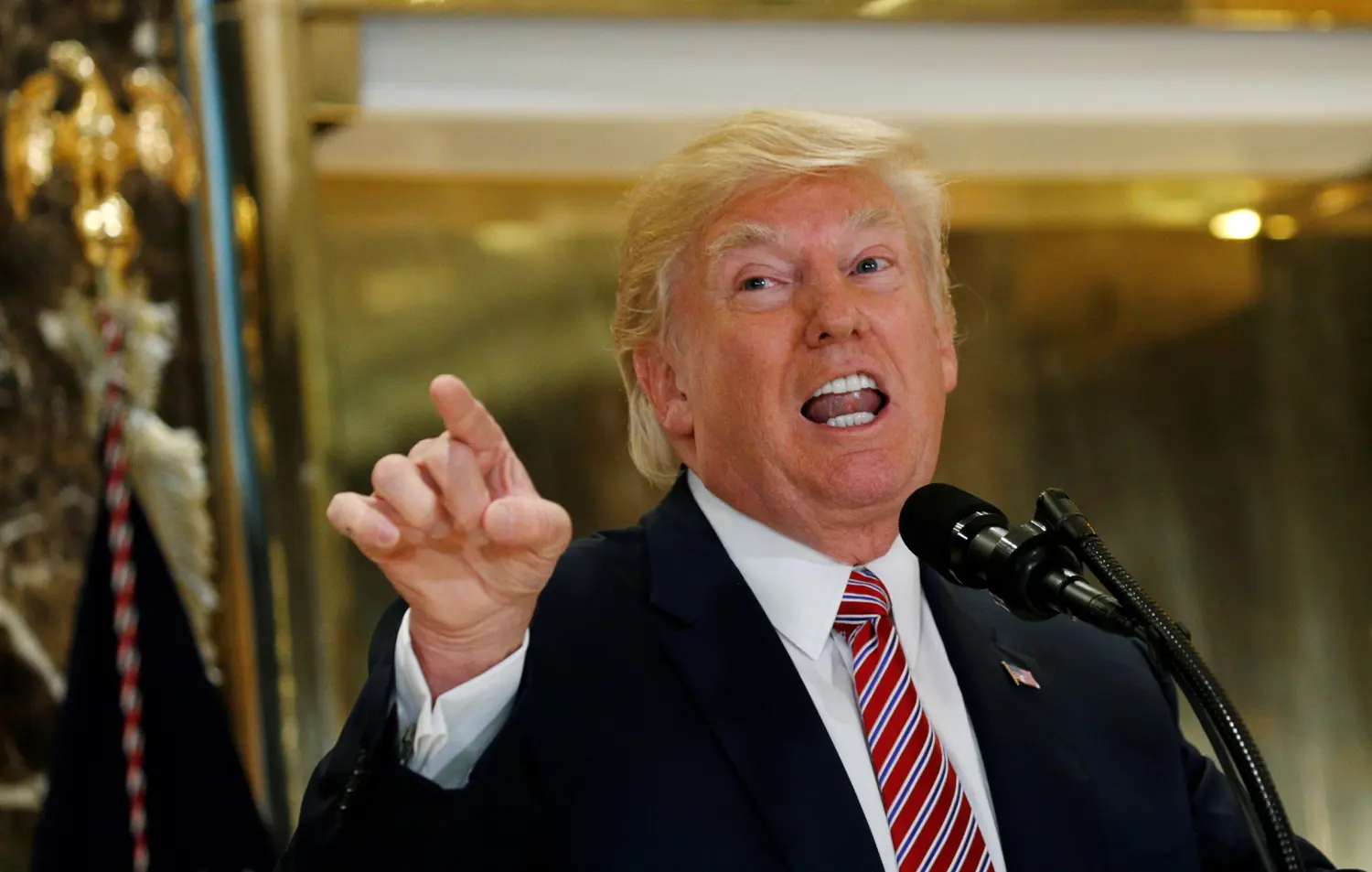
President Donald Trump has addressed the release of previously unseen photographs linked to the estate of Jeffrey Epstein, offering a short but pointed response as the images reignited public and political scrutiny surrounding the late financier’s extensive network of high-profile associations.
The photographs, released Friday by Democrats on the House Oversight Committee, are part of a broader congressional review of Epstein-related materials ahead of a looming Department of Justice deadline to disclose the remaining Epstein files. The images, drawn in part from Epstein’s email accounts and digital archives, depict Epstein alongside a range of prominent figures from politics, entertainment, business, and academia.
Among those appearing in the newly released images are Trump, former President Bill Clinton, filmmaker Woody Allen, and British entrepreneur Richard Branson. Lawmakers accompanying the release emphasized that the photographs alone do not suggest criminal wrongdoing and should not be interpreted as evidence of illegal conduct by those depicted. Instead, they said the goal is transparency—documenting Epstein’s associations and illustrating the breadth of his access to powerful circles over decades.
Trump’s Oval Office Response
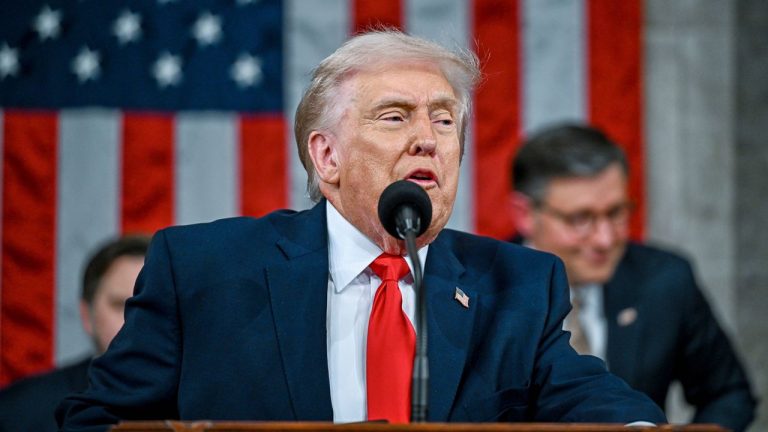
Just hours after the images became public, Trump was asked directly about them while speaking to reporters in the Oval Office. His response was brief and dismissive, signaling little concern about the renewed attention.
“He has photos with everybody,” Trump said. “Hundreds and hundreds of people have photos with him. That’s no big deal. I know nothing about it.”
The president did not expand further, nor did he address specific images. His remarks aligned with a position he has consistently taken since Epstein’s arrest and death in 2019: that mere social contact or photographs do not equate to involvement in Epstein’s criminal conduct.
Longstanding Denials and Campaign Promises
Trump has repeatedly denied any wrongdoing connected to Epstein and has not been accused of, charged with, or investigated for crimes related to Epstein’s activities. Over the years, he has said he distanced himself from Epstein long before Epstein’s most serious legal troubles became public.
For much of his presidency and subsequent political career, Trump largely avoided extended discussion of Epstein, often deflecting questions during press briefings. However, during the 2024 presidential campaign, he made a prominent pledge to support the public release of Epstein-related files, framing it as part of a broader commitment to transparency and accountability.
That pledge has taken on new significance in recent weeks as pressure mounted on the Department of Justice to clarify what information it possesses and what would be disclosed to the public.
DOJ Reversals and Congressional Action
Since the start of the year, the Justice Department has issued conflicting signals about the Epstein files. Initially, officials suggested additional material could be released following internal review. That position later shifted, with the department stating that no further public disclosures were planned.
The reversal sparked bipartisan frustration in Congress, where lawmakers argued that continued secrecy fueled speculation and undermined public trust. In response, the House moved forward with legislation compelling the release of the files.
Last month, Congress voted overwhelmingly in favor of requiring disclosure, with only one House member voting against the measure. Trump signed the bill into law shortly thereafter, formally setting a deadline for the release of the documents. According to lawmakers, the files are expected to be made public next week, though officials have confirmed that redactions will be applied to protect sensitive information, privacy interests, and ongoing legal considerations.
The Oversight Committee’s Photo Release
The House Oversight Committee’s decision to release photographs ahead of the DOJ deadline has drawn both praise and criticism. Committee Democrats argue that releasing visual material provides context for the written records and helps the public better understand how Epstein operated within elite social environments.
“This latest production contains tens of thousands of images,” committee members said in a statement, noting that the photos include Epstein’s properties, thousands of images of women, and photographs of prominent individuals. Lawmakers added that additional photos may be released in phases as the review continues.
Republicans, however, have accused Democrats of selectively releasing images to shape public narratives or target specific individuals. Committee Democrats deny those claims, saying the release process is methodical and guided by relevance and legal review rather than politics.
Broader Public Reaction
The release of the images has reignited intense public interest in Epstein’s case, which remains one of the most controversial and disturbing scandals in recent history. Epstein, a wealthy financier with deep ties to influential figures, was convicted in 2008 of sex offenses in Florida and arrested again in 2019 on federal sex trafficking charges involving minors. He died by suicide in a New York jail on August 10, 2019, while awaiting trial.
His death left many questions unanswered and fueled widespread suspicion about how he was able to evade accountability for so long. Victims’ advocates argue that continued transparency is essential not only for accountability but also to expose the systems of power and influence that enabled his crimes.
Trump’s Position Amid Renewed Scrutiny
While Trump’s appearance in Epstein-related photos has circulated publicly for years, the latest release has again placed him at the center of media attention. Supporters argue that his response reflects a practical reality: Epstein photographed extensively with countless public figures, many of whom had no knowledge of his crimes.
Critics, however, say the continued emergence of material underscores the need for full disclosure and thorough examination of Epstein’s relationships, regardless of political affiliation.
The White House has not issued a separate statement beyond Trump’s remarks, and officials have declined to comment further on the photos. Administration sources say the president remains focused on governance and the forthcoming DOJ release rather than speculation around decades-old social interactions.
Looking Ahead to the File Release
As the DOJ deadline approaches, legal experts caution that the forthcoming documents may not deliver the dramatic revelations some expect. Redactions, legal constraints, and the age of many records could limit what is ultimately disclosed. Nonetheless, the release is likely to intensify debate about transparency, justice for victims, and the role of powerful institutions in shielding misconduct.
For now, Trump’s concise response sets the tone for how he intends to handle the issue: acknowledging the existence of the photos while dismissing their significance. Whether that stance will hold as more material becomes public remains to be seen.
What is clear is that Epstein’s shadow continues to loom large over American political and social life, years after his death. As new documents and images emerge, they are likely to provoke further scrutiny—not only of individuals pictured, but of the broader culture that allowed Epstein’s influence to persist unchecked for so long.

James Jenkins is a celebrated Pulitzer Prize-winning author whose work has reshaped the way readers think about social justice and human rights in America. Raised in Atlanta, Georgia, James grew up in a community that instilled in him both resilience and a strong sense of responsibility toward others. After studying political science and creative writing at Howard University, he worked as a journalist covering civil rights issues before dedicating himself fully to fiction. His novels are known for their sharp, empathetic portraits of marginalized communities and for weaving personal stories with broader political realities. Jenkins’s breakout novel, Shadows of Freedom, won national acclaim for its unflinching look at systemic inequality, while his more recent works explore themes of identity, resilience, and the fight for dignity in the face of oppression. Beyond his novels, James is an active public speaker, lecturing at universities and participating in nonprofit initiatives that support literacy and community empowerment. He believes that storytelling is a way to preserve history and inspire change. When not writing, James enjoys jazz music, mentoring young writers, and traveling with his family to explore cultures and stories around the world.