


Tensions in the North Atlantic are rising as reports emerge of a major U.S. official signaling that military options remain on the table regarding Greenland, the autonomous Danish territory long viewed as strategically vital. The statement, delivered in response to questions about ongoing negotiations with European allies, has sent shockwaves through NATO and prompted emergency diplomatic consultations among member nations.
The official, when pressed in an interview about whether the United States might employ force to assert control over Greenland if diplomatic solutions fail, refused to provide a direct answer, simply stating, “No comment.” The remarks came amidst escalating trade pressures and increased rhetoric surrounding the Arctic, raising concern that the situation could destabilize not only regional security but the transatlantic alliance as a whole.
Tariffs and Diplomatic Pressure
In recent days, European capitals have been navigating an increasingly fraught landscape. Officials reported that the United States has imposed a 10% tariff on goods from Denmark and seven other NATO member states, signaling a willingness to use economic leverage to achieve its objectives. The tariff is set to remain in place until a formal agreement regarding Greenland is reached, according to sources close to the administration.
Observers note that these economic measures represent a significant departure from traditional alliance norms. NATO, founded on principles of mutual defense and cooperation, has never before faced a scenario in which the United States threatened punitive trade action over an Arctic territorial issue. European leaders are scrambling to respond, both diplomatically and economically, as the dispute unfolds.
Strategic Importance of Greenland
Greenland’s significance to global security is well documented. The island sits at the gateway to the Arctic, a region increasingly important due to melting ice caps, emerging shipping routes, and abundant natural resources. Russia has expanded its military presence across the Arctic, while China has asserted itself as a “near-Arctic state” and invested heavily in mining and energy infrastructure.
Control over Greenland would provide unprecedented strategic access to these vital routes, as well as potential sites for missile defense installations. Military analysts have suggested that any permanent shift in sovereignty would alter the balance of power in the North Atlantic and the Arctic, potentially creating friction with both European and Asian powers.
The territory is also rich in oil, natural gas, rare earth minerals, and precious metals—resources essential for technology, energy, and defense industries. The abundance of these materials, along with Greenland’s geostrategic position, explains why the U.S. has repeatedly expressed interest in the island’s future in national security discussions.
The Role of NATO Allies
As the situation develops, European nations have taken proactive steps to reinforce their presence in Greenland. France, Germany, Norway, Sweden, the Netherlands, and the United Kingdom have all deployed troops in recent weeks to demonstrate solidarity with Denmark and ensure that Greenland remains under Danish control.
European officials have also threatened retaliatory measures, including tariffs on U.S. goods totaling roughly $110 billion or limiting American access to regional trade agreements. Analysts believe that these actions are intended to convey that coercion over territory will not be tolerated and that NATO’s collective authority remains intact.
Despite these countermeasures, uncertainty remains. Some diplomats privately expressed concern that the economic pressure and aggressive rhetoric could fracture the alliance if not carefully managed.
U.S. Objectives and Rationale
The individual at the center of this emerging Arctic dispute has framed Greenland as essential for both military and economic security. Sources indicate that he sees the island as a potential hub for a missile defense system, which could protect North America from ballistic threats. Additionally, Greenland’s rare earth minerals and fossil fuels are viewed as critical for reducing dependence on Chinese supply chains in technology and defense sectors.
In private communications with European leaders, the U.S. representative reportedly tied Greenland’s acquisition to both strategic necessity and his personal standing on the global stage. While the details remain sensitive, leaked documents suggest that frustration over international recognition, including failure to receive a major global peace award, has fueled a sense of urgency.
Revealing the Figure
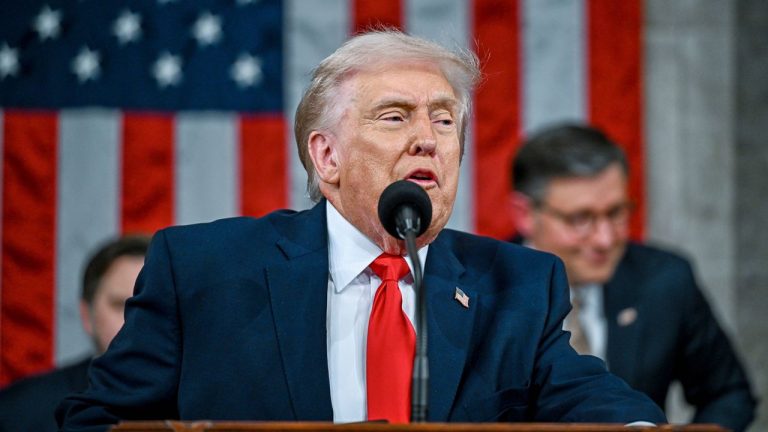
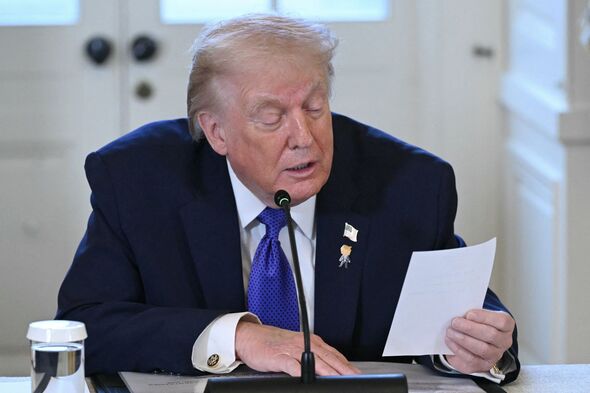
Midway through this unfolding drama, it becomes clear that the official in question is none other than President Donald Trump.
Since his second term began, Trump has repeatedly argued that the United States should acquire Greenland to prevent rival powers—primarily Russia and China—from establishing a stronger foothold in the Arctic. The president has framed the territory as indispensable for national security, economic independence, and military dominance, emphasizing its strategic value to both the U.S. and NATO as a whole.
Trump’s comments, combined with the economic sanctions and the implied military readiness, have drawn sharp criticism from European capitals, where officials argue that sovereignty and international law must be respected. Denmark has rejected any suggestion of ceding control, and Greenlandic authorities have reiterated that the island is not for sale.
Global Economic Implications
The tariff announcement alone has had immediate repercussions for financial markets. European stock exchanges recorded significant declines in response to the threat of punitive measures, while futures trading on Wall Street indicated heightened volatility. Analysts warn that prolonged uncertainty could impact global trade patterns and destabilize the transatlantic economic relationship.
Economists suggest that the dispute also highlights the risk of “weaponizing trade” in pursuit of geopolitical goals, a development that could prompt other countries to adopt similar strategies, further complicating global commerce.
Public and Political Reactions
Public protests have erupted in Greenland, with demonstrators emphasizing national autonomy and resistance to foreign control. “Our land is not for sale,” read signs carried by citizens in freezing conditions, underscoring widespread local opposition to U.S. ambitions.
Meanwhile, political commentators note that Trump’s approach diverges sharply from traditional diplomacy, blending personal grievances with strategic objectives in ways that could test NATO’s cohesion. European leaders have been careful to respond with measured statements, emphasizing cooperation while defending sovereignty, but insiders report rising anxiety about potential escalation.
What Comes Next
Experts agree that the next several weeks will be critical. Trump is scheduled to deliver a keynote address at the World Economic Forum in Davos, where Greenland is expected to figure prominently in discussions of Arctic strategy and transatlantic relations. NATO officials will likely continue internal consultations to ensure that alliance unity remains intact.
Observers emphasize that the Greenland dispute reflects broader trends in global geopolitics: competition over natural resources, the militarization of the Arctic, and the increasing willingness of states to use economic tools in pursuit of strategic objectives. How these tensions are managed will likely set precedents for both Arctic security and alliance diplomacy for years to come.
While the situation is evolving, one fact remains certain: Greenland’s status, its resources, and its strategic location make it a focal point for some of the most consequential decisions in international politics, where military, economic, and diplomatic considerations intersect.

Emily Johnson is a critically acclaimed essayist and novelist known for her thought-provoking works centered on feminism, women’s rights, and modern relationships. Born and raised in Portland, Oregon, Emily grew up with a deep love of books, often spending her afternoons at her local library. She went on to study literature and gender studies at UCLA, where she became deeply involved in activism and began publishing essays in campus journals. Her debut essay collection, Voices Unbound, struck a chord with readers nationwide for its fearless exploration of gender dynamics, identity, and the challenges faced by women in contemporary society. Emily later transitioned into fiction, writing novels that balance compelling storytelling with social commentary. Her protagonists are often strong, multidimensional women navigating love, ambition, and the struggles of everyday life, making her a favorite among readers who crave authentic, relatable narratives. Critics praise her ability to merge personal intimacy with universal themes. Off the page, Emily is an advocate for women in publishing, leading workshops that encourage young female writers to embrace their voices. She lives in Seattle with her partner and two rescue cats, where she continues to write, teach, and inspire a new generation of storytellers.