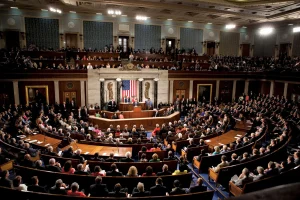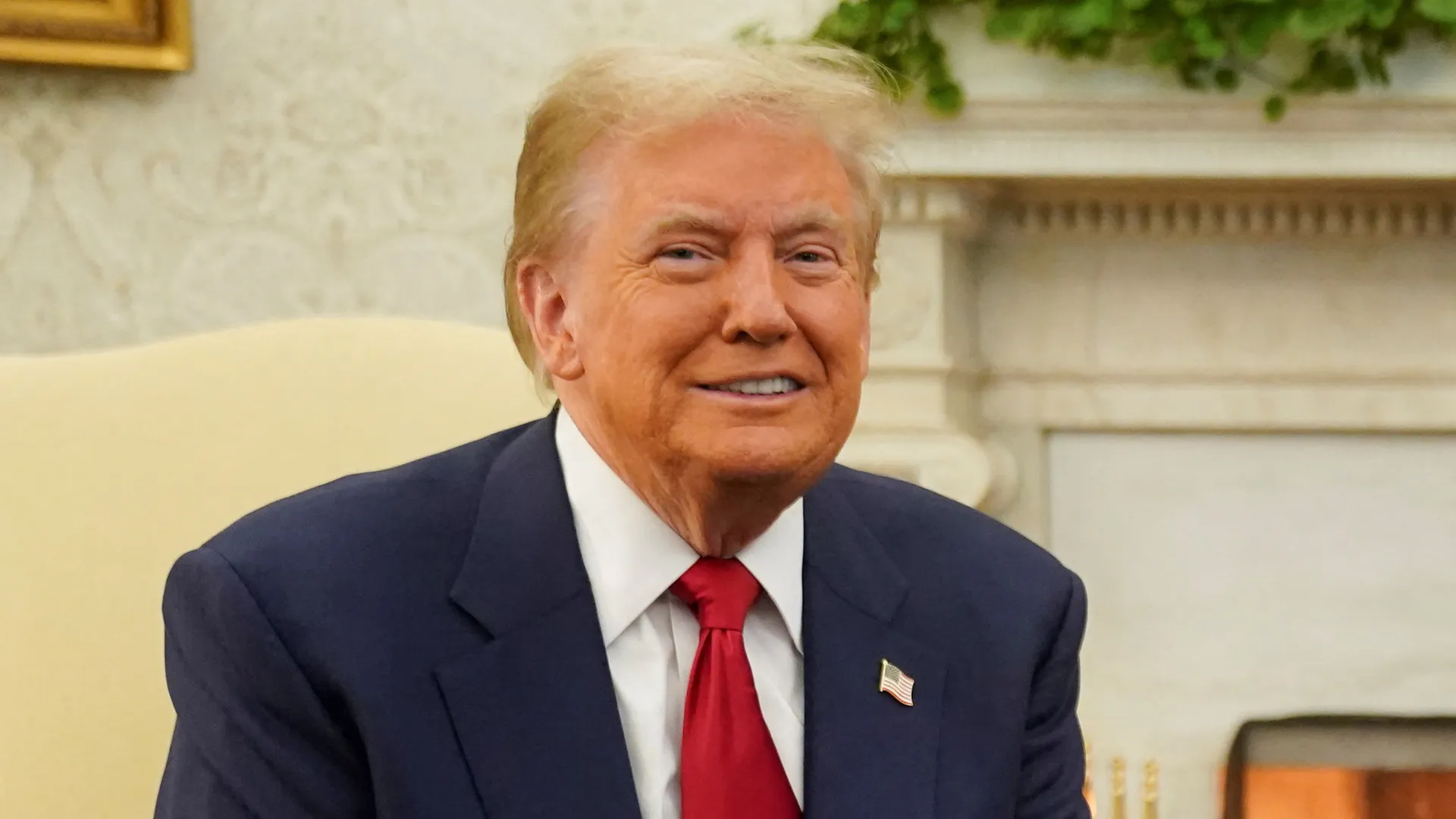
In a prime-time address from the White House just days before Christmas, President Donald Trump spoke directly to the nation about the state of the country and his administration’s economic direction. The televised speech, delivered on December 17, was framed as both a reflection on his first months back in office and a preview of what he described as an aggressive effort to stabilize household finances in the year ahead.
With inflation, healthcare costs, and affordability still dominating public concern, the president used the address to reinforce a familiar message: that the country is emerging from a period of economic mismanagement and that his administration is focused on reversing its effects. The speech blended policy claims, political contrast, and patriotic symbolism, all timed to resonate during the holiday season.
Rather than opening with a single announcement, the president spent much of the address laying out what he sees as the broader economic context Americans are currently facing.
Framing the Economic Challenge
Throughout the speech, President Trump returned repeatedly to the idea that the nation’s financial strain did not arise overnight. He attributed rising prices, stagnant wages, and pressure on household budgets to decisions made during the previous administration, arguing that those policies weakened economic stability and purchasing power.
He pointed to inflation levels reached in recent years as evidence of deeper structural problems, stating that price increases had made everyday necessities harder to afford for working families, retirees, and military households alike. According to the president, this erosion of affordability represented not just an economic issue but a quality-of-life concern that required immediate attention.
The address emphasized that his administration inherited what he described as a damaged economy, one burdened by high costs, disrupted supply chains, and weakened negotiating leverage abroad.
A Broader Policy Pitch
As the speech continued, Trump outlined what he framed as early progress. He cited efforts to reassert trade leverage through tariffs, renegotiate foreign pricing arrangements, and push back against what he called entrenched special interests. Central to this argument was the claim that economic recovery depends on restoring American bargaining power—both domestically and internationally.
Healthcare costs featured prominently in this portion of the address. The president asserted that prescription drug prices had been driven artificially high for decades by a combination of pharmaceutical companies and foreign governments. He argued that previous administrations failed to confront this system, allowing Americans to subsidize lower drug prices overseas.
Only after establishing this economic narrative did the president pivot to a series of specific actions his administration claims to have taken.
Prescription Drug Costs in Focus
One of the most detailed policy claims involved prescription medications. Trump stated that his administration had recently finalized negotiations aimed at sharply reducing drug prices for American consumers. According to the president, those negotiations involved both pharmaceutical companies and foreign governments and were made possible through trade pressure and tariff leverage.
He claimed that prices on certain medications had been reduced dramatically—by several hundred percent in some cases—arguing that such reductions could significantly lower annual out-of-pocket costs for many Americans. While critics have questioned the scale and implementation of these claims, the president framed the effort as a direct challenge to powerful industry interests.
He emphasized that the average American spends well over $1,000 per year on prescription drugs and suggested that lowering those costs could free up meaningful household income at a time when many families are still struggling.
A Surprise Announcement Midway Through the Address
It was only after addressing inflation, healthcare, and trade that the president introduced the announcement that quickly became the most talked-about moment of the evening.
Trump revealed that his administration would issue a one-time cash payment to military service members, describing it as both a financial boost and a symbolic gesture tied to the nation’s history. The payments, he said, are already being processed and are expected to arrive before Christmas.
Dubbed the “Warrior Dividend,” the initiative provides $1,776 to eligible service members—a figure chosen to honor the year of America’s founding. According to the president, more than one million members of the armed forces will receive the payment.
Who Receives the Payment and Why
The president described the dividend as a recognition of service and sacrifice, emphasizing the role of the military in maintaining national security during a period of global uncertainty. He stated that no group deserved the payment more, framing it as a gesture of appreciation rather than a policy experiment.
Trump also acknowledged that the announcement carries political symbolism, particularly as his administration faces mixed polling and heightened scrutiny over economic performance. Still, he argued that the payment reflects a broader philosophy: that those who serve the country should directly benefit from economic recovery efforts.
According to the White House, the funds are being distributed automatically, without requiring service members to apply, and will be deposited directly into existing accounts.
Political Contrast and Accountability
As expected, the address included sharp criticism of President Joe Biden and Democratic leadership. Trump argued that inflation reached historic levels under the previous administration, making housing, food, and healthcare less affordable for millions of Americans.
“Eleven months ago, I inherited a mess, and I’m fixing it,” the president said, reiterating a phrase that has become central to his messaging. He characterized the current period as one of repair, claiming that early signs of progress are already visible.
The speech repeatedly framed economic improvement as a process rather than an overnight transformation, asking Americans to view recent actions—including the holiday payments—as part of a longer-term strategy.
Public Reaction and Online Debate
News of the Warrior Dividend quickly spread across social media, where reactions were mixed but intense. Supporters praised the move as a tangible show of support for military families during a financially stressful time of year. Critics questioned the funding source, the timing, and whether the payment was designed to distract from broader economic challenges.
Still, for many service members and their families, the announcement offered immediate and practical relief. With holiday expenses mounting and prices still elevated, the additional cash arrives at a moment when many households are feeling stretched.
The prescription drug claims also sparked debate, with some analysts urging caution until detailed implementation data becomes available.
What It Signals Going Forward
Taken together, the address offered a clear signal about the administration’s priorities heading into the new year. The combination of direct payments, healthcare cost claims, and aggressive political messaging suggests a strategy focused on visible, immediate benefits paired with a broader narrative of economic correction.
Whether these efforts translate into sustained economic improvement remains to be seen. What is clear is that the administration intends to frame 2026 as a year of recovery, momentum, and renewed national confidence.
As Americans move into the holiday season, the speech served not only as a policy update but as a reminder of how closely economics and politics remain intertwined—especially when financial relief arrives wrapped in patriotic symbolism.

Emily Johnson is a critically acclaimed essayist and novelist known for her thought-provoking works centered on feminism, women’s rights, and modern relationships. Born and raised in Portland, Oregon, Emily grew up with a deep love of books, often spending her afternoons at her local library. She went on to study literature and gender studies at UCLA, where she became deeply involved in activism and began publishing essays in campus journals. Her debut essay collection, Voices Unbound, struck a chord with readers nationwide for its fearless exploration of gender dynamics, identity, and the challenges faced by women in contemporary society. Emily later transitioned into fiction, writing novels that balance compelling storytelling with social commentary. Her protagonists are often strong, multidimensional women navigating love, ambition, and the struggles of everyday life, making her a favorite among readers who crave authentic, relatable narratives. Critics praise her ability to merge personal intimacy with universal themes. Off the page, Emily is an advocate for women in publishing, leading workshops that encourage young female writers to embrace their voices. She lives in Seattle with her partner and two rescue cats, where she continues to write, teach, and inspire a new generation of storytellers.