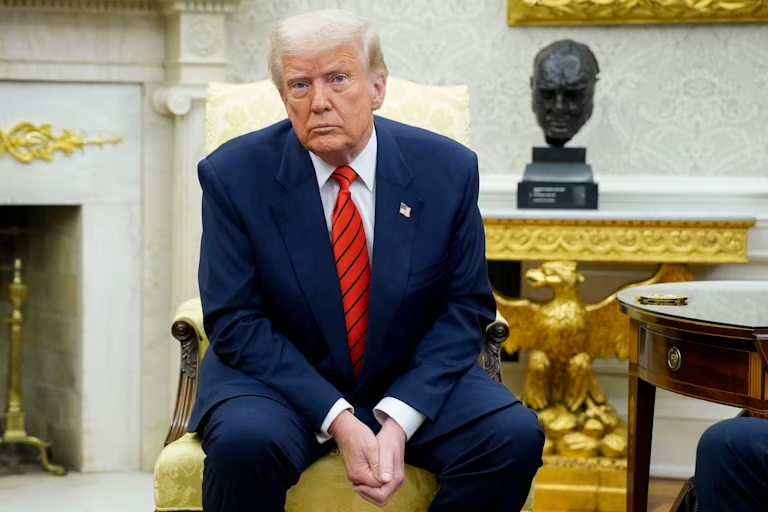
Donald Trump, who is on track to become the oldest president in U.S. history by the conclusion of his second term, has acknowledged that he is ignoring medical advice in an effort to quiet speculation surrounding his health. In a recent interview with The Wall Street Journal, the president openly discussed his long-standing decision to take a higher daily dose of aspirin than his doctors recommend, despite repeated warnings about potential risks.
According to Trump, he has been taking 325 milligrams of aspirin daily for more than two decades—four times the standard low-dose amount typically advised for preventive cardiovascular care. Medical professionals usually recommend an 81-milligram daily dose for heart health, particularly in older adults. Trump, however, dismissed those guidelines, explaining that his decision is driven by personal beliefs rather than clinical recommendations.
“They say aspirin is good for thinning out the blood, and I don’t want thick blood pouring through my heart,” Trump told the Journal. “I want nice, thin blood pouring through my heart. I’m a little superstitious.”
Doctors have reportedly urged Trump to reduce his dosage, warning that higher levels of aspirin significantly increase the risk of serious side effects, including internal bleeding in the stomach, intestines, and brain—risks that rise sharply with age. Nevertheless, Trump has remained defiant, suggesting that the potential cardiovascular benefits outweigh the dangers and expressing confidence in what he repeatedly refers to as his “good genetics.”
The consequences of his decision have become increasingly visible. The president’s hands have frequently appeared bruised in photographs taken at public events, prompting speculation across social media and cable news. White House Press Secretary Karoline Leavitt has confirmed that the discoloration is a side effect of blood thinning, compounded by Trump’s habit of aggressively shaking hands during public appearances.
Leavitt also acknowledged that the president uses concealer and foundation to mask the bruising. The makeup, however, often fails to fully conceal the marks and sometimes contrasts sharply with his natural skin tone, making the effort conspicuous rather than subtle.
Beyond the bruising, aides and individuals familiar with Trump’s daily routine have quietly expressed concern about other apparent signs of aging. Some claim that staff members must raise their voices during meetings because the president struggles to hear, while others point to photographs and videos showing Trump appearing drowsy or with his eyes closed during cabinet meetings and formal events.
Trump has forcefully rejected those claims. He insists that he has always operated on minimal sleep and denies experiencing hearing difficulties. “I’ve always gotten by on little shut-eye,” he told the Journal, dismissing suggestions that his energy level has declined.
Still, those close to the president acknowledge that the physical demands of the office are taking a toll. Trump maintains a packed schedule filled with rallies, meetings, and public appearances, yet his lifestyle has changed little over the years. His primary form of exercise remains golfing, and his diet is widely known to consist heavily of fast food, including McDonald’s meals and Diet Coke. He has even retained the red button in the Oval Office from his first term, which allows him to summon an aide to bring him a soda on demand.
The scrutiny intensified further after reports emerged that Trump briefly wore compression socks to address swelling in his ankles. According to the Journal, he discontinued their use simply because he disliked them. Medical experts note that such swelling can be a routine sign of aging but can also indicate circulatory or cardiovascular issues.
Trump’s approach to medical transparency has long been a point of contention. During both his first and second terms, he has consistently sought to downplay or tightly control the release of information related to his health. That pattern continued following his October 2025 visit to Walter Reed Medical Center, where he underwent advanced cardiovascular and abdominal imaging.
In hindsight, Trump expressed regret over the scans, suggesting they only fueled unnecessary speculation. “It gave them a little ammunition,” he said. “I would have been a lot better off if they didn’t, because the fact that I took it said, ‘Oh gee, is something wrong?’ Well, nothing’s wrong.”
The president’s sensitivity to health-related scrutiny is shaped in part by recent history. His predecessor, Joe Biden, faced relentless criticism over his mental and physical fitness while in office. Those concerns intensified after Biden announced in May 2025—just months after leaving office—that he had been diagnosed with aggressive, late-stage prostate cancer that had spread to his bones. The timing of the diagnosis sparked widespread debate, with some medical experts questioning how such an advanced condition had not been detected earlier given the rigorous health monitoring of sitting presidents.
Trump is acutely aware of those comparisons. Although he broke records by becoming the oldest person ever to assume the presidency, that distinction has placed his health under constant public examination. If he completes his term in January 2029, Trump will be 82 years and seven months old—older than Biden was when he left office.
Despite the mounting attention, Trump remains unapologetic. He continues to deny reports that he dozes off during meetings or struggles to follow conversations. He also insists that his physical stamina remains intact, even as aides privately acknowledge subtle but noticeable changes.
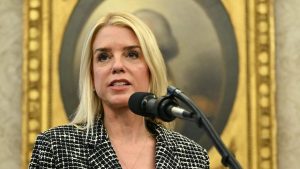
One incident frequently cited behind the scenes occurred during the 2024 Republican National Convention in Milwaukee, when a celebratory high-five resulted in Trump’s hand bleeding after being nicked by a ring worn by Attorney General Pam Bondi. According to sources, Trump still occasionally references the episode, viewing it as emblematic of how fragile his skin has become—a side effect consistent with prolonged aspirin use.
For now, the White House maintains that the president is fully capable of fulfilling his duties. Trump himself appears unconcerned, framing criticism of his health as politically motivated noise rather than legitimate concern. Yet as the election cycle intensifies and the physical demands of the presidency continue, questions about his fitness for office are unlikely to fade.
Whether Trump’s confidence in superstition and genetics will outweigh medical advice remains to be seen. What is clear is that his health—like much of his presidency—continues to provoke debate, scrutiny, and division, with no sign that either the attention or the controversy will subside anytime soon.

Emily Johnson is a critically acclaimed essayist and novelist known for her thought-provoking works centered on feminism, women’s rights, and modern relationships. Born and raised in Portland, Oregon, Emily grew up with a deep love of books, often spending her afternoons at her local library. She went on to study literature and gender studies at UCLA, where she became deeply involved in activism and began publishing essays in campus journals. Her debut essay collection, Voices Unbound, struck a chord with readers nationwide for its fearless exploration of gender dynamics, identity, and the challenges faced by women in contemporary society. Emily later transitioned into fiction, writing novels that balance compelling storytelling with social commentary. Her protagonists are often strong, multidimensional women navigating love, ambition, and the struggles of everyday life, making her a favorite among readers who crave authentic, relatable narratives. Critics praise her ability to merge personal intimacy with universal themes. Off the page, Emily is an advocate for women in publishing, leading workshops that encourage young female writers to embrace their voices. She lives in Seattle with her partner and two rescue cats, where she continues to write, teach, and inspire a new generation of storytellers.