



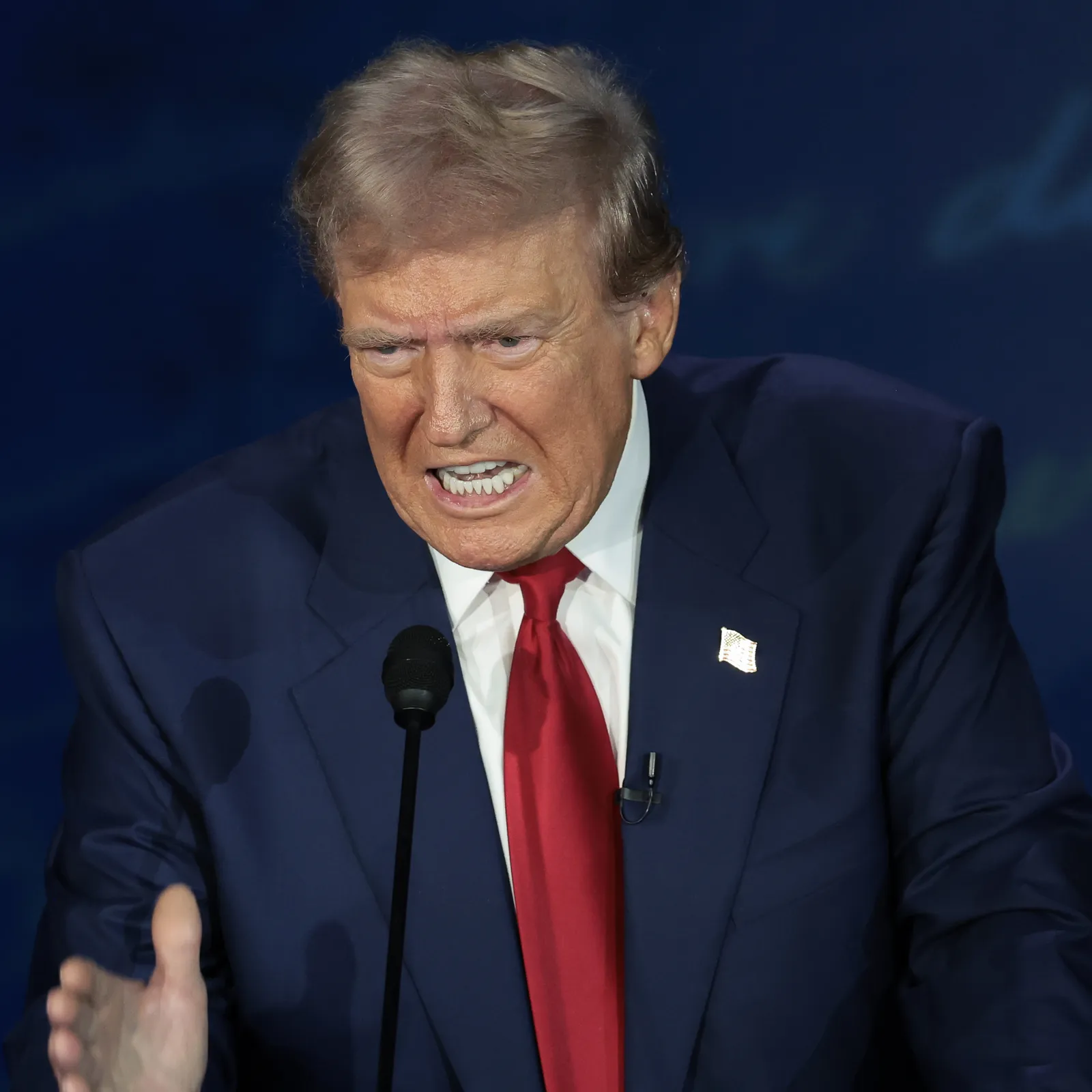
President Donald Trump has ordered the National Guard back into several major U.S. cities, reigniting a fierce national debate over crime, federal authority, and the limits of presidential power in domestic law enforcement. The move, announced by senior administration officials this week, marks a renewed push by the White House to assert control over public safety in urban areas that Trump has repeatedly described as “out of control” and “failed by local leadership.”
According to administration sources, the redeployment will initially focus on cities where violent crime, drug trafficking, and organized criminal activity remain persistent challenges. While the White House has not released a full list of locations, officials confirmed that deployments are already underway or imminent in Washington, D.C., New Orleans, and select metropolitan areas in the Midwest and Northeast. Additional cities could be added in the coming weeks depending on conditions on the ground.
Trump framed the decision as a necessary response to what he called a breakdown of law and order, particularly in jurisdictions governed by Democratic mayors and governors. Speaking privately to allies and later echoed by aides, the president argued that local leaders have either been unwilling or unable to protect residents, leaving the federal government with no choice but to intervene.
“This is about public safety,” one senior White House official said. “The president will not allow American cities to be held hostage by crime, gangs, or political paralysis.”
A Controversial Tool Returns
The National Guard has long occupied a complicated role in American domestic policy. While Guard units are routinely activated during natural disasters, civil unrest, and major emergencies, their deployment for routine crime prevention remains highly controversial. Critics argue that using military forces in civilian settings risks escalating tensions and undermines local governance, while supporters say Guard deployments can provide critical backup when police departments are overwhelmed.
Trump has embraced the latter view since his first term, frequently invoking the Guard as a symbol of strength and federal resolve. During his second term, he has shown even less hesitation, portraying Guard deployments as an essential tool in restoring order and deterring criminal activity.
Administration officials emphasized that the Guard’s role will be primarily supportive. Troops are expected to assist with logistics, infrastructure protection, and coordination with local law enforcement rather than conducting routine patrols or making arrests. However, critics note that even a limited presence can have a powerful psychological and political impact.
Washington and New Orleans at the Center
Washington, D.C., remains one of the most visible examples of the administration’s approach. Guard troops have maintained a presence in the capital under extended federal authority, citing ongoing security concerns. The city’s unique status, which places it under direct federal jurisdiction rather than state control, has made it a focal point for Trump’s broader law-and-order agenda.
In New Orleans, Guard troops have been deployed to assist local authorities amid concerns over violent crime and major public events. While some city officials initially opposed the move, others have acknowledged that federal assistance has helped relieve pressure on local police resources.
Supporters of the deployments point to crime data showing gradual declines in certain categories following the Guard’s arrival, though experts caution that attributing those trends directly to military presence is difficult.
Legal and Political Resistance
The president’s latest order has drawn swift backlash from civil liberties groups, Democratic lawmakers, and several state officials. Opponents argue that Trump is stretching the boundaries of executive authority and attempting to federalize local law enforcement without sufficient legal justification.
Some governors have already signaled they will resist any attempt to deploy Guard units without state consent, raising the prospect of renewed legal battles. During previous efforts to expand Guard deployments, courts ruled that the president’s authority is not unlimited, particularly in the absence of widespread insurrection or rebellion.
Legal scholars note that while the president has broad powers as commander-in-chief, the National Guard typically operates under state control unless formally federalized under specific statutory conditions.
“This is a gray area that Trump has consistently tried to push,” said one constitutional law expert. “Each new deployment increases the likelihood of another court showdown.”
Crime, Politics, and the Midterms
The renewed Guard deployments come as the administration looks ahead to a challenging midterm election cycle. Historically, the president’s party often loses congressional seats during midterms, and Trump has made crime a central theme of his political strategy.
By emphasizing public safety and projecting a tough stance on crime, Trump aims to energize his base and appeal to voters who feel anxious about disorder and insecurity. Administration officials believe that visible federal action can help counter Democratic messaging and frame Republicans as the party of stability and enforcement.
At the same time, Democrats argue that Trump is exploiting fear for political gain, pointing to data showing that violent crime has declined nationally over the past several years. They accuse the president of ignoring underlying social and economic factors while pursuing headline-grabbing military solutions.
Local Leaders Push Back
Mayors and city officials in affected areas have expressed a range of reactions, from cautious cooperation to outright opposition. Some local leaders worry that the presence of National Guard troops could undermine community trust, particularly in neighborhoods already wary of law enforcement.
Others fear that accepting federal assistance could be perceived as an admission of failure, weakening their political standing at home.
“We don’t need soldiers on our streets,” one mayor said in a statement. “We need investment in housing, mental health services, and economic opportunity.”
Still, in cities facing chronic staffing shortages and budget constraints, the additional resources have proven difficult to reject outright.
Trump’s Broader Vision
The National Guard deployments are part of a broader shift in Trump’s domestic policy approach during his second term. The president has increasingly emphasized national security themes in domestic governance, blurring the lines between foreign threats and internal challenges.
Advisers close to Trump say he views crime, drug trafficking, and illegal immigration as interconnected issues requiring a unified federal response. In that framework, the Guard serves as a flexible instrument capable of rapid deployment and visible impact.
Trump has privately told allies that he regrets not acting more aggressively during his first term and is determined not to repeat what he sees as missed opportunities.
“This time, we act fast,” he reportedly said during a recent meeting.
What Comes Next
The White House has made clear that the current deployments are not necessarily the end of the story. Officials say the administration is actively monitoring conditions in other cities and remains prepared to expand Guard operations if necessary.
Whether those efforts succeed politically or legally remains uncertain. Court challenges are expected, and public opinion remains sharply divided. For supporters, the Guard represents decisive leadership in the face of chaos. For critics, it is a troubling sign of creeping militarization and federal overreach.
As National Guard units return to city streets, the deployments are likely to become a defining issue of Trump’s second term — and a test of how far a president can go in using military forces to shape domestic policy.
What is clear is that the debate over federal power, public safety, and the role of the military at home is far from settled. And with elections looming and tensions high, the consequences of Trump’s decision will reverberate well beyond the cities directly affected.

Emily Johnson is a critically acclaimed essayist and novelist known for her thought-provoking works centered on feminism, women’s rights, and modern relationships. Born and raised in Portland, Oregon, Emily grew up with a deep love of books, often spending her afternoons at her local library. She went on to study literature and gender studies at UCLA, where she became deeply involved in activism and began publishing essays in campus journals. Her debut essay collection, Voices Unbound, struck a chord with readers nationwide for its fearless exploration of gender dynamics, identity, and the challenges faced by women in contemporary society. Emily later transitioned into fiction, writing novels that balance compelling storytelling with social commentary. Her protagonists are often strong, multidimensional women navigating love, ambition, and the struggles of everyday life, making her a favorite among readers who crave authentic, relatable narratives. Critics praise her ability to merge personal intimacy with universal themes. Off the page, Emily is an advocate for women in publishing, leading workshops that encourage young female writers to embrace their voices. She lives in Seattle with her partner and two rescue cats, where she continues to write, teach, and inspire a new generation of storytellers.




