In a series of extraordinary claims that have sent shockwaves through international diplomatic and security circles, the United States administration has asserted that Venezuelan President Nicolás Maduro has been captured following a U.S. military operation targeting the capital, Caracas. If confirmed, the events described by U.S. officials would represent one of the most dramatic foreign interventions by Washington in decades, with profound implications for Latin America and global geopolitics.
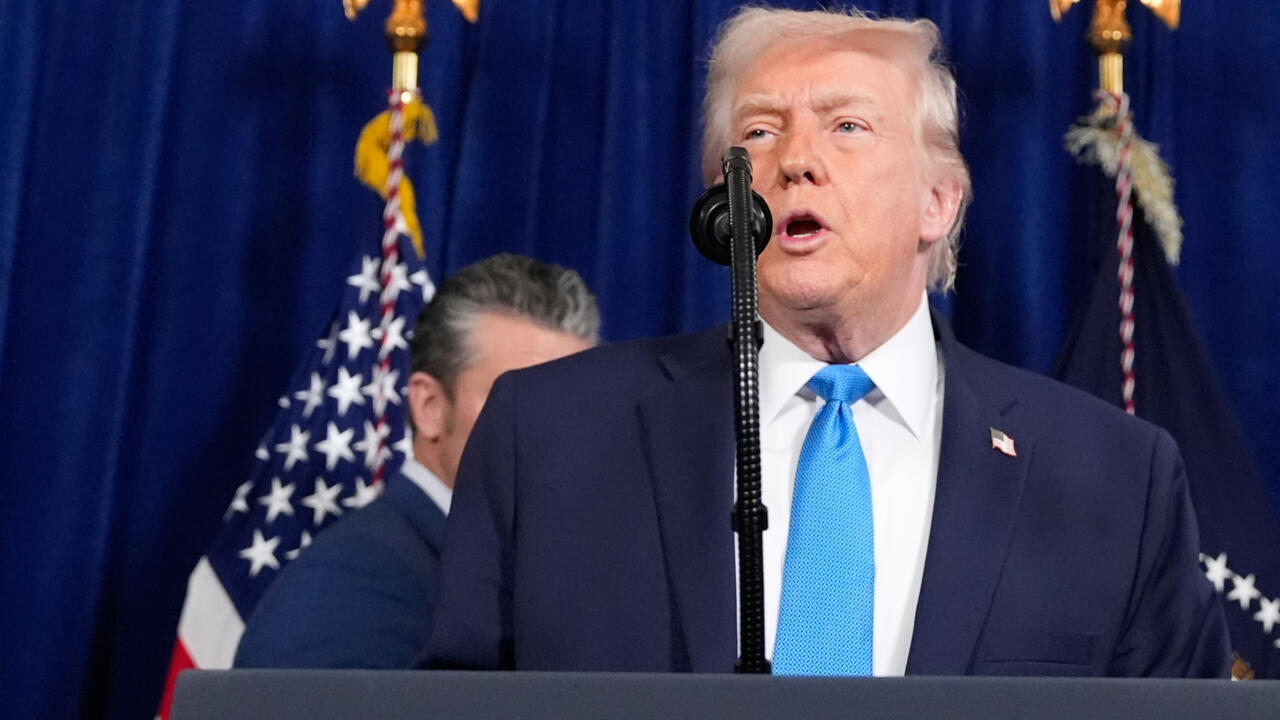
According to statements made by President Donald Trump, U.S. forces carried out what he described as a “large-scale strike” against strategic targets in Caracas during the early hours of Saturday. Shortly after reports of explosions and military activity began circulating on social media, Trump took to Truth Social to publicly confirm U.S. involvement, claiming that Maduro and his wife, Cilia Flores, had been detained and removed from Venezuelan territory.
“This operation was done in conjunction with U.S. law enforcement,” Trump wrote, adding that further details would be released during a press conference at his Mar-a-Lago residence. The president later reiterated the claims in public remarks, praising the U.S. military and describing the mission as “highly successful.”
No independent verification has been provided to substantiate the capture of Maduro, and Venezuelan authorities have strongly disputed the U.S. narrative. Caracas has not acknowledged the president’s detention and has instead demanded proof that Maduro and Flores are alive. Venezuelan Vice President Delcy Rodríguez stated that the government has no confirmation of the president’s whereabouts and accused Washington of psychological warfare and disinformation.
U.S. Attorney General Pam Bondi further escalated the situation by announcing that Maduro and Flores had allegedly been indicted in the Southern District of New York. Bondi stated that Maduro faces charges including narco-terrorism conspiracy, cocaine importation conspiracy, and weapons-related offenses involving machine guns and destructive devices. She did not specify what charges, if any, Flores faces, but asserted that both would “face the full wrath of American justice” on U.S. soil.
The Venezuelan government responded with fury. Defense Minister Vladimir Padrino López called the reported U.S. action “the worst aggression in the nation’s history” and urged the armed forces and population to unite in resistance. He claimed that military units were being deployed nationwide in accordance with what he described as standing orders from Maduro, further complicating the already opaque situation.
Adding to the controversy, President Trump later declared that the United States would temporarily “run” Venezuela until a new government could be established. Speaking at a press conference, he said Washington would oversee a “safe, proper, and judicious transition,” arguing that direct U.S. involvement was necessary to prevent Venezuela from returning to what he described as decades of misrule and corruption.
“We want peace, liberty, and justice for the great people of Venezuela,” Trump said, adding that many Venezuelans currently living in the United States wished to return home. He also suggested that major U.S. oil companies were prepared to invest billions of dollars into repairing Venezuela’s severely damaged energy infrastructure, framing economic intervention as a path toward national recovery.
Trump went further, warning that the United States was prepared to carry out a second, larger military operation if circumstances required it. While he claimed the initial strike had been so effective that further action might not be necessary, he emphasized that contingency plans were already in place.
The president also provided vivid, though unverifiable, details of the alleged capture operation during an interview with Fox News. He claimed Maduro was taken from a heavily fortified residence and said several U.S. personnel were injured but expected to recover. Trump described watching the operation unfold in real time, likening it to observing a televised event.
Despite the dramatic nature of these claims, international reaction has been cautious. Several governments have declined to comment directly, citing the absence of independent confirmation and the risk of misinformation during rapidly evolving crises. Analysts have noted that a confirmed U.S. military seizure of a sitting head of state would represent a major departure from post–Cold War norms and could trigger significant legal and diplomatic consequences.
Legal experts have also raised questions about jurisdiction, due process, and the implications of attempting to prosecute a foreign leader captured through military force. Human rights organizations have called for transparency and restraint, warning that unverified claims and escalating rhetoric could fuel regional instability.
As of now, key questions remain unanswered: whether Maduro has indeed been detained, where he and his wife are being held, and what authority—if any—the United States would claim to govern Venezuela during a transitional period. Until verifiable evidence emerges, the situation remains defined as much by uncertainty as by spectacle.
What is clear is that the statements coming from Washington have already intensified tensions in an already volatile region. Whether these claims mark the beginning of a historic political transformation or collapse under scrutiny as unsubstantiated remains to be seen. For now, the world is watching closely, waiting for facts to catch up with rhetoric.