A high-profile congressional hearing examining the federal government’s handling of records related to Jeffrey Epstein has intensified political tensions in Washington, exposing sharp divisions over transparency, accountability, and the protection of victims in one of the most sensitive legal sagas in recent U.S. history. The hearing, held before the House Judiciary Committee, quickly evolved into a combative exchange that underscored just how polarizing the issue remains years after Epstein’s death.
At the center of the proceedings was scrutiny of the Department of Justice’s management of Epstein-related files. Lawmakers from both parties pressed officials on how millions of pages of documents have been processed, what information has been redacted, and whether the privacy of victims has been adequately safeguarded. Critics argued that the government’s approach risked either concealing relevant names or exposing sensitive personal details, while defenders of the process insisted that legal constraints and victim-protection obligations necessitated careful handling.
The hearing did not unfold as a routine oversight session. Instead, it reflected the broader political climate in Washington, where investigations tied to Epstein continue to carry profound reputational and legal implications for public figures. Members of Congress repeatedly clashed over whether the Department of Justice had struck the correct balance between transparency and confidentiality. Some lawmakers accused officials of excessive redactions that might shield influential individuals from scrutiny, while others warned that a rush toward full disclosure could retraumatize victims or compromise ongoing legal protections.
The tone of the hearing grew increasingly confrontational as questioning intensified. Several exchanges between committee members and witnesses became heated, with accusations of political motivation flying from both sides of the aisle. At least one lawmaker alleged that the handling of the documents reflected institutional bias, while others countered that such claims were themselves politically driven attempts to discredit the Justice Department. The charged atmosphere illustrated how the Epstein case continues to function as a lightning rod for broader debates about institutional trust and political accountability.
Although transcripts and video records remain the definitive source for confirming the exact wording used during the hearing, multiple accounts described sharp personal exchanges and unusually blunt rhetoric. One widely circulated claim suggested that Maryland Congressman Jamie Raskin was targeted with an insult during the proceedings, though that specific phrasing has not been independently verified in official records at this stage. What is clear, however, is that the hearing was marked by a level of intensity rarely seen in standard oversight sessions.
Beyond the details of any single exchange, the broader dispute revolves around fundamental questions about how governments should handle highly sensitive investigative materials. The Epstein files include not only legal records but also potentially identifying information about victims, witnesses, and other individuals connected to the case. As such, officials face a dual mandate: ensure public accountability while protecting vulnerable individuals from further harm. That balance is inherently difficult to achieve and has been at the heart of disagreements between lawmakers and federal authorities.
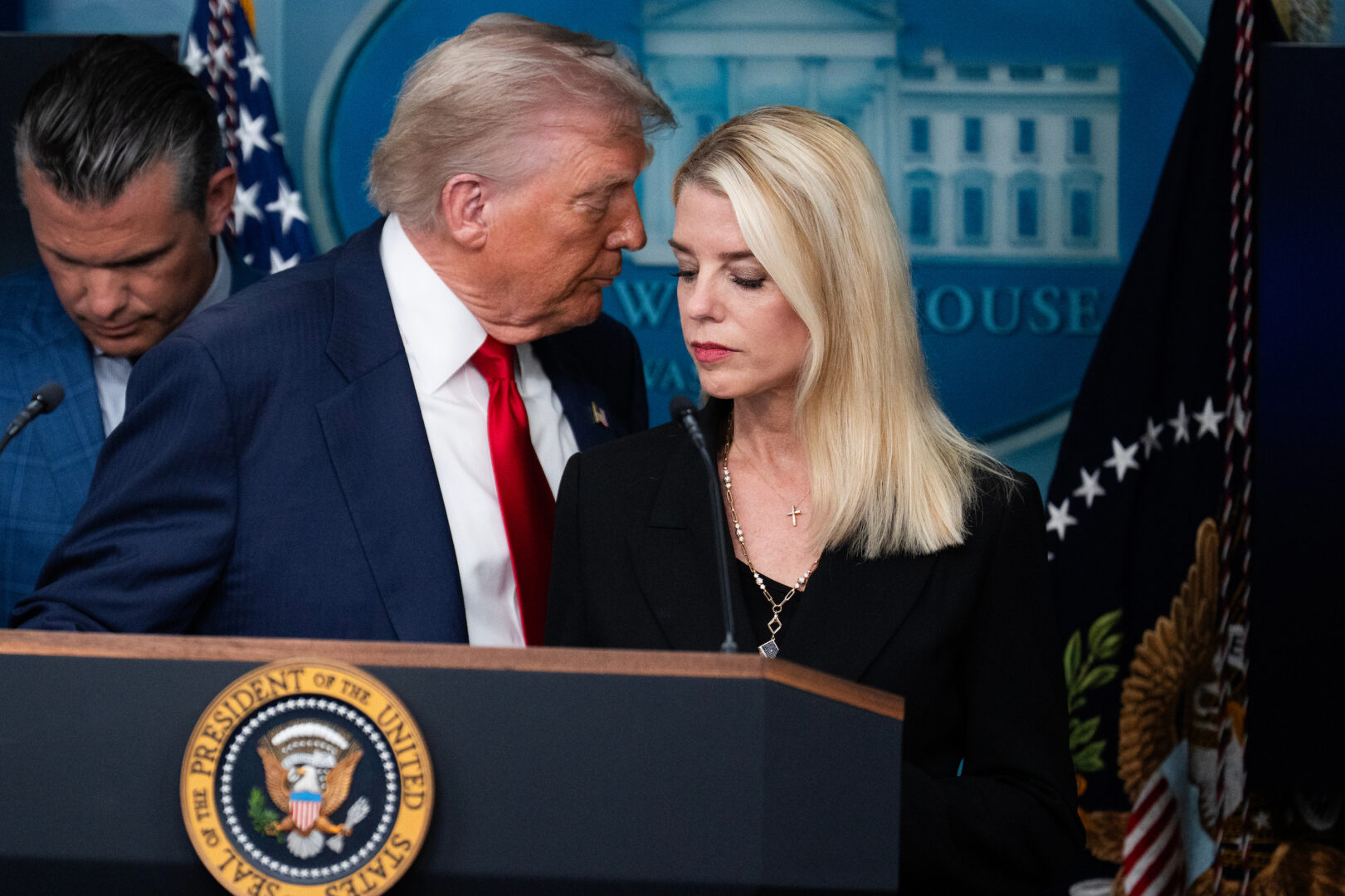
The political implications of the hearing expanded further when Donald Trump weighed in publicly. Trump used his social media platform to defend allies connected to the Justice Department’s handling of the matter and to criticize opponents who he argues are exploiting the Epstein issue for political gain. His response was consistent with his broader communication style, in which he frequently praises supporters while attacking critics in direct and often confrontational language.
Trump’s intervention ensured that the hearing’s fallout extended well beyond Capitol Hill. Supporters of the former president echoed his defense of those overseeing the document release process, arguing that critics were attempting to revive controversies for partisan purposes. Opponents, meanwhile, countered that the issue transcends party lines and that transparency regarding Epstein’s network remains a legitimate and necessary concern for the public.
The renewed focus on Epstein-related materials also highlights the enduring public fascination with the case and the many unanswered questions that surround it. For years, investigators, journalists, and lawmakers have sought to understand the full scope of Epstein’s activities and the extent of his connections. Each new release of documents tends to reignite public debate, fueling speculation and calls for further disclosures. That dynamic places additional pressure on government institutions to demonstrate that their handling of the material is both lawful and ethically sound.
Legal experts note that the process of releasing investigative records in a case like Epstein’s is unusually complex. Privacy laws, court orders, and ongoing litigation can all limit what information may be disclosed. At the same time, there is a strong public interest in ensuring that powerful individuals are not shielded from scrutiny. Navigating these competing imperatives often requires case-by-case decisions that are vulnerable to political interpretation.
The hearing also served as a reminder of how oversight proceedings themselves can become arenas for broader political messaging. Members of Congress used their questioning time not only to seek information but also to frame narratives about institutional integrity and political responsibility. In such a setting, even factual disputes about document handling can take on symbolic significance, representing deeper disagreements about the role of government and the fairness of the justice system.
Looking ahead, the controversy surrounding the Epstein files is unlikely to dissipate quickly. Lawmakers have signaled that further inquiries and possible legislative action may follow, particularly if concerns about redactions or victim privacy persist. Additional hearings, document releases, or court challenges could continue to keep the issue in the public spotlight.
For now, the recent hearing stands as a vivid illustration of how a single case can continue to reverberate across the political landscape years after its central figure is gone. The intersection of legal complexity, moral urgency, and partisan conflict ensures that debates over the Epstein files will remain contentious. Whether future proceedings can bring greater clarity—or simply deepen existing divisions—remains an open question.
What is certain is that the handling of the Epstein records has become more than a legal matter; it is now a test of public trust in governmental transparency and accountability. As lawmakers, officials, and political leaders continue to spar over the issue, the outcome will likely shape not only the legacy of the Epstein case but also broader perceptions of how the U.S. justice system confronts powerful figures and protects those who have suffered harm.

Emily Johnson is a critically acclaimed essayist and novelist known for her thought-provoking works centered on feminism, women’s rights, and modern relationships. Born and raised in Portland, Oregon, Emily grew up with a deep love of books, often spending her afternoons at her local library. She went on to study literature and gender studies at UCLA, where she became deeply involved in activism and began publishing essays in campus journals. Her debut essay collection, Voices Unbound, struck a chord with readers nationwide for its fearless exploration of gender dynamics, identity, and the challenges faced by women in contemporary society. Emily later transitioned into fiction, writing novels that balance compelling storytelling with social commentary. Her protagonists are often strong, multidimensional women navigating love, ambition, and the struggles of everyday life, making her a favorite among readers who crave authentic, relatable narratives. Critics praise her ability to merge personal intimacy with universal themes. Off the page, Emily is an advocate for women in publishing, leading workshops that encourage young female writers to embrace their voices. She lives in Seattle with her partner and two rescue cats, where she continues to write, teach, and inspire a new generation of storytellers.